
Ultra Light Gaming Headsets 2026 — Why Comfort Finally Matters
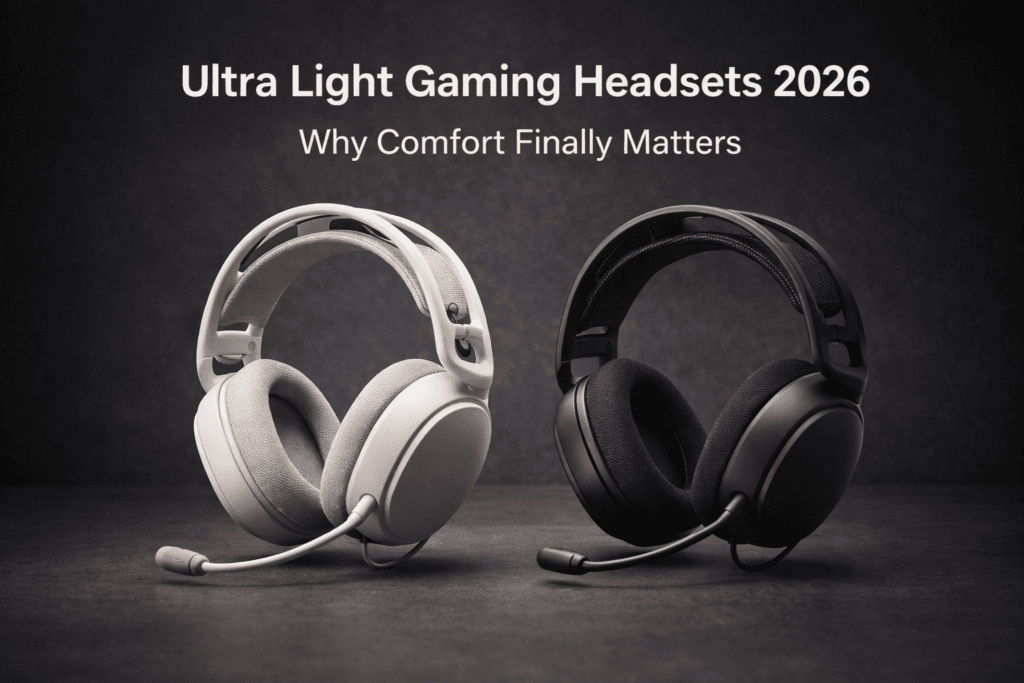
Gaming hardware rarely shifts because of comfort demands alone. Historically, performance metrics—audio drivers, latency numbers, surround processing—have dominated design priorities. Yet by 2026, usage behavior has quietly redefined what “performance” means. Players are wearing headsets longer than ever, not only for competitive sessions but also for hybrid workflows that combine gaming, streaming, and communication. This is why ultra light gaming headsets 2026 are emerging as one of the most meaningful accessory transformations of the year: comfort engineering is now directly tied to sustained performance consistency.
Endurance Is Becoming a Competitive Variable
Extended-session gaming has introduced a new kind of fatigue that traditional specifications never addressed. Even moderately heavy headsets gradually create neck tension, ear pressure, and heat buildup—factors that subtly reduce focus over time. Professional players and long-session streamers increasingly measure performance stability across multi-hour sessions, and equipment comfort is now part of that calculation.
Ultra-light designs, typically targeting sub-250-gram construction, allow players to maintain posture and concentration without the frequent micro-adjustments heavier headsets require. Instead of chasing marginal audio loudness improvements, manufacturers are optimizing wearability endurance, recognizing that small physical stressors accumulate into meaningful gameplay disadvantages over long sessions.
Materials That Make Weight Reduction Possible
The rise of ultra light gaming headsets 2026 is not the result of downsizing alone—it is primarily a materials engineering breakthrough. New structural composites combine flexibility and rigidity in ways that reduce mass without compromising frame durability. Carbon-reinforced polymer arches, hollow-channel aluminum supports, and tension-balanced suspension bands distribute load across the head rather than concentrating pressure at contact points.
Ear-cup materials are also evolving. Lightweight breathable foam blends paired with temperature-regulating fabric layers reduce heat retention, a major contributor to long-session discomfort. Instead of compensating for heavy frames with thicker padding, manufacturers are redesigning the headset structure itself to feel nearly weightless when worn.
The Consumer Perception Shift: Comfort as a Performance Spec
Buyers historically treated comfort as a secondary preference—something considered after audio quality or wireless capability. That perception is rapidly changing. Reviews, user forums, and competitive gaming discussions increasingly rank headset comfort alongside latency and microphone clarity as a primary purchase factor.
This behavioral shift is influencing marketing language as well. Instead of highlighting aggressive styling or oversized drivers, many 2026 product launches now lead with weight distribution metrics, ergonomic modeling, and long-session usability claims. The category is gradually redefining what “premium” means: not just feature density, but how invisible the headset feels during extended use.
Myth vs Reality: Why Lighter Doesn’t Mean Less Durable
A common hesitation around ultra light gaming headsets 2026 is the assumption that lighter frames must be structurally weaker. Modern manufacturing trends show the opposite. Advanced composite materials allow thinner structural components to handle equal or greater stress compared to traditional plastic-heavy constructions. Durability is no longer determined by thickness alone; it is driven by load distribution design and material resilience.
Manufacturers are also reinforcing high-stress hinge points using internal reinforcement layers rather than visible bulk, allowing the external form to remain slim while maintaining long-term reliability. As a result, the newest ultra-light designs often meet or exceed the structural durability of older, heavier headsets.
Wireless Efficiency Is Quietly Supporting the Trend
Battery miniaturization and power-efficient wireless chipsets are playing a subtle but important role in enabling lighter designs. Earlier wireless gaming headsets required large battery modules to achieve acceptable runtime, significantly increasing total weight. New-generation low-latency wireless platforms consume far less power, allowing smaller battery cells while maintaining extended usage times.
This shift removes the traditional trade-off between wireless freedom and headset weight. Many ultra light gaming headsets 2026 now deliver long battery endurance while remaining lighter than older wired models, eliminating a design constraint that once limited the category.
A Design Philosophy That Will Spread Beyond Headsets
The comfort-first engineering mindset visible in ultra-light headset development is beginning to influence other gaming accessories as well. Lightweight mice, reduced-resistance keyboard switch designs, and ergonomically optimized controller grips reflect the same industry realization: sustained comfort improves consistency more than marginal spec increases. Hardware performance is increasingly measured across the entire duration of usage rather than at isolated peak moments.
This broader philosophy suggests that the current headset comfort revolution is not an isolated product trend but part of a larger ergonomic optimization wave across gaming ecosystems.
The Quiet Redefinition of “High-End”
In earlier hardware cycles, premium status was often defined by visible complexity—more features, larger housings, heavier builds that suggested durability. The modern definition is moving in the opposite direction. High-end devices are increasingly those that remove friction from long-term usage, allowing users to focus entirely on performance or immersion without physical distraction.
As the ultra light gaming headsets 2026 segment expands, the expectation of lightweight comfort will likely become standard across mid-range and flagship categories alike. The most successful designs will not simply sound better—they will disappear perceptually during use, allowing hours of uninterrupted engagement without fatigue reminders.
Where Comfort Becomes a Competitive Advantage
Comfort-driven engineering rarely generates dramatic launch headlines, yet it often shapes user experience more profoundly than headline specifications. The transition toward ultra-light headset architecture reflects how gaming itself has evolved into a long-duration activity where endurance matters as much as peak performance. Devices that minimize physical strain create measurable improvements in focus, reaction consistency, and session longevity. Over time, players will likely judge headset quality less by how powerful it sounds and more by how effortlessly it integrates into extended daily use. The brands that treat ergonomics as core performance infrastructure rather than a cosmetic add-on will define the next generation of gaming accessories.
Keep Vibetric on Your Radar
- Follow our Instagram @vibetric_official for precision-focused gaming hardware insights.
- Bookmark vibetric.com to track emerging ergonomic performance trends.
- Stay tuned as 2026 accessory design shifts continue redefining competitive comfort.
What’s your take on this?
At Vibetric, the comments go way beyond quick reactions — they’re where creators, innovators, and curious minds spark conversations that push tech’s future forward.
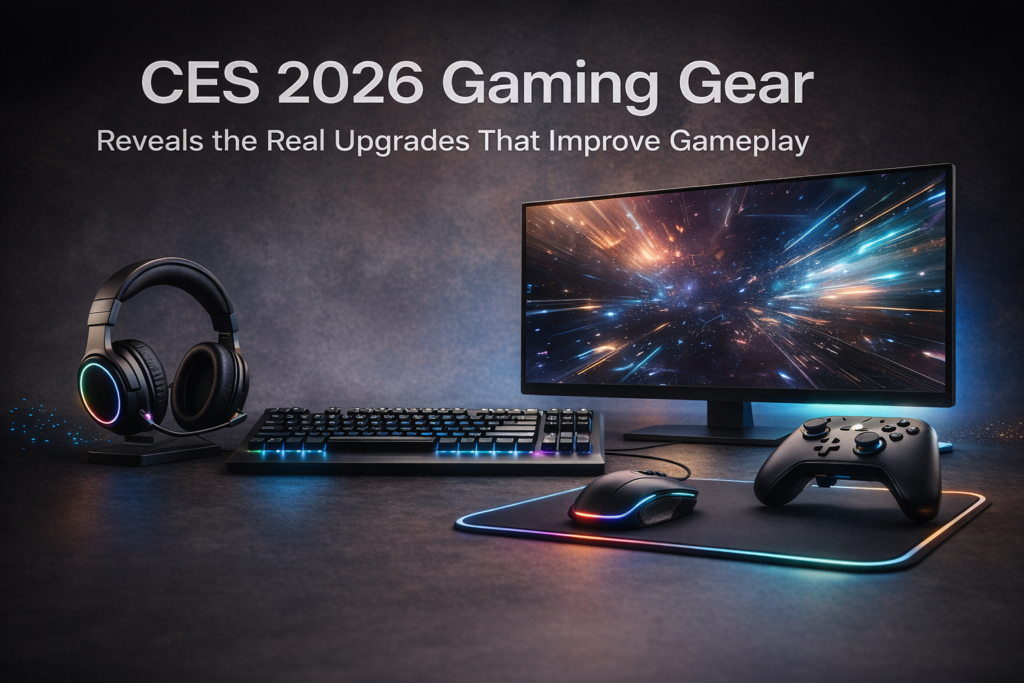
CES 2026 Gaming Gear Reveals the Real Upgrades That Improve Gameplay
CES 2026 Gaming Gear Reveals the Real Upgrades That Improve Gameplay CES 2026 was packed with gaming gear claiming faster response, deeper
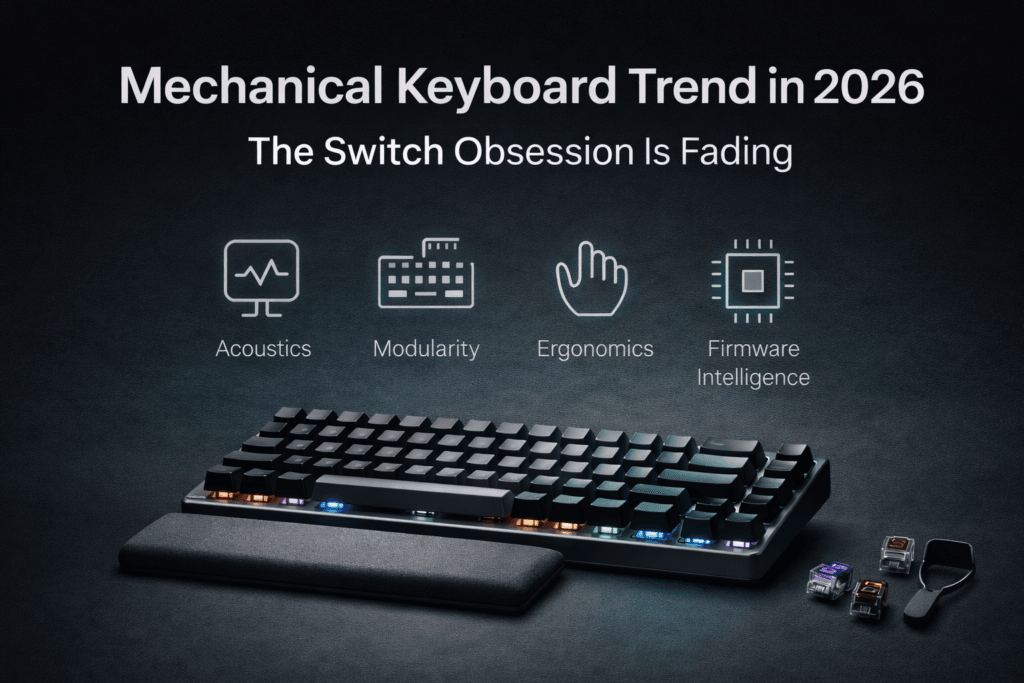
Mechanical Keyboard Trend in 2026 — The Switch Obsession Is Fading
Mechanical Keyboard Trend in 2026 — The Switch Obsession Is Fading For years, mechanical keyboard discussions revolved around a single axis: switch