
How Trackpads Evolved to Replace the Mouse
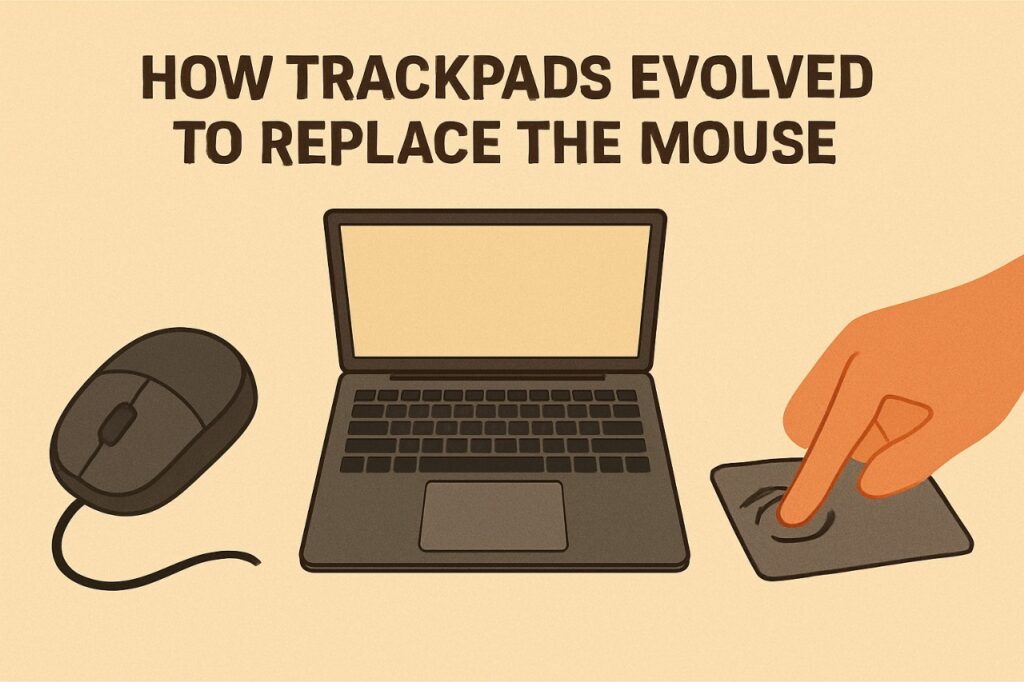
For decades, the mouse felt untouchable — the ultimate precision tool, the centerpiece of every desk setup. But somewhere between ultrabooks, touch-first interfaces, and gesture-driven OS design, something unexpected happened: trackpads quietly became the new default.
What began as a backup input method is now powerful enough to rival — and often replace — the traditional mouse.
This shift didn’t happen overnight. It unfolded through engineering leaps, UI evolution, and cultural changes in how people interact with their devices.
In this short read, you’ll learn how trackpads transformed, why they became essential, and why the mouse is no longer the unquestioned king of navigation.
⚙️ Core Insight (Depth + Clarity)
The evolution of trackpads wasn’t an upgrade — it was a reshaping of the entire laptop experience.
Early trackpads were tiny, inconsistent, and frustrating. But modern versions deliver haptic gestures, precision control, multi-finger input, and software intelligence that wasn’t possible in the mouse era. The real story is how shifting user behavior pushed trackpads to the center of laptop design.
Three forces made this shift inevitable:
1. The Gesture Revolution
Trackpads became a powerhouse when laptops embraced gesture-driven operating systems. Pinching, swiping, flicking — these actions created a fluid, natural interaction style that a mouse simply couldn’t replicate.
2. Engineering Leaps
Larger glass surfaces, haptic motors, low-latency sensors, and palm-rejection algorithms turned the trackpad into a precision tool. What used to be accidental touches became intentional inputs.
3. Portability First Culture
Users now work everywhere — beds, trains, airports, cafés. Trackpads became essential because they don’t require desk space, external peripherals, or setup time.
The truth:
Trackpads didn’t beat the mouse at its own game.
They changed the game entirely.
📊Bite-Sized Data Table
| Factor (2025) | Impact Level | Why It Matters |
|---|---|---|
| Haptic feedback | High | Recreates click feel without mechanical parts |
| Glass surface area | High | Enables smooth multi-gesture control |
| Sensor accuracy | Medium | Closes precision gap with traditional mice |
| OS gesture integration | High | Navigation becomes faster than mouse-driven input |
| Portability demand | High | Trackpads dominate mobile workflows |
| Palm rejection | Medium | Minimizes accidental touches |
Laptop bezels didn’t return accidentally — they returned because the industry finally admitted they were useful.
🔍 Micro Analysis
1. The Real-World Impact
For everyday laptop users, the evolution of trackpads changed how they interact with their devices. Scrolling became smoother than wheels. Zooming became more intuitive than keyboard shortcuts. Drag-and-drop finally felt seamless.
And most importantly, the trackpad reduced friction — you simply open your laptop, and your primary navigation tool is already there.
Real-world effects:
- Faster navigation in web browsing, note-taking, editing, and multitasking
- Less desk dependency → ideal for travel and tight spaces
- Modern gestures often outperform traditional mouse actions
- Lower hand movement → reduces fatigue during long usage
- Consistent experience across Windows, macOS, and ChromeOS
2. The Hidden Truth
Marketing never framed trackpads as “mouse replacements.”
Their rise came from behind the scenes — from UI designers, hardware engineers, and workflow shifts that quietly reshaped user habits. Brands realized something important: if the trackpad is great, users don’t feel the need to carry anything else.
What manufacturers discovered:
- A large, smooth trackpad reduces accessory purchases
- Haptic motors eliminate mechanical failure points
- Gesture-based navigation increases OS stickiness
- Premium trackpads shape brand perception more than keyboards
- Most consumers don’t require pixel-perfect mouse accuracy
The mouse didn’t become obsolete.
It simply stopped being mandatory.
🌍 Culture Angle
Today’s users don’t sit at formal desks. They move between sofas, coworking spaces, trains, and living rooms. Their tech needs to adapt, not restrict them.
Trackpads fit perfectly into this lifestyle — minimal, silent, intuitive. They reflect the culture of mobility, simplicity, and instant access.
People now prioritize:
- convenience over setup
- gestures over clicks
- portability over precision
- silent input over mechanical noise
The trackpad aligns with modern work culture not because it’s better than a mouse in every scenario, but because it’s better for how people actually live.
🧠 Quick Vibetric Takeaway
- Trackpads evolved because workflow mobility expanded faster than mouse innovation.
- Haptic engines and glass surfaces made them feel premium and precise.
- Gesture integration became the turning point — OS design changed everything.
- Most users no longer need the micro-precision a mouse offers.
- Trackpads fit modern, mobile-first lifestyles where desk space isn’t guaranteed.
- The mouse is now a specialist tool — the trackpad is the everyday default.
- The shift happened quietly because it was driven by behavior, not marketing.
💬 Vibetric Verdict
Vibetric Verdict: Trackpads didn’t replace the mouse through force.
They replaced it through relevance.
When technology aligns with culture, convenience becomes more powerful than tradition.
The mouse still matters — but the trackpad now defines the rhythm of modern computing.
This wasn’t an upgrade. It was an evolution of how we touch our ideas.
🔗 Stay in the Loop
We don’t sell hype — we explain it.
- Follow @vibetric_official for grounded insights, gesture-era UX breakdowns, and real-world hardware testing.
- Bookmark vibetric.com to stay ahead of the tech curve.
- No hype. No bias. Just facts — the Vibetric way.
💬 What’s your take on this?
The comment section at Vibetric isn’t just for reactions — it’s where creators, thinkers, and curious minds exchange ideas that shape how we see tech’s future.
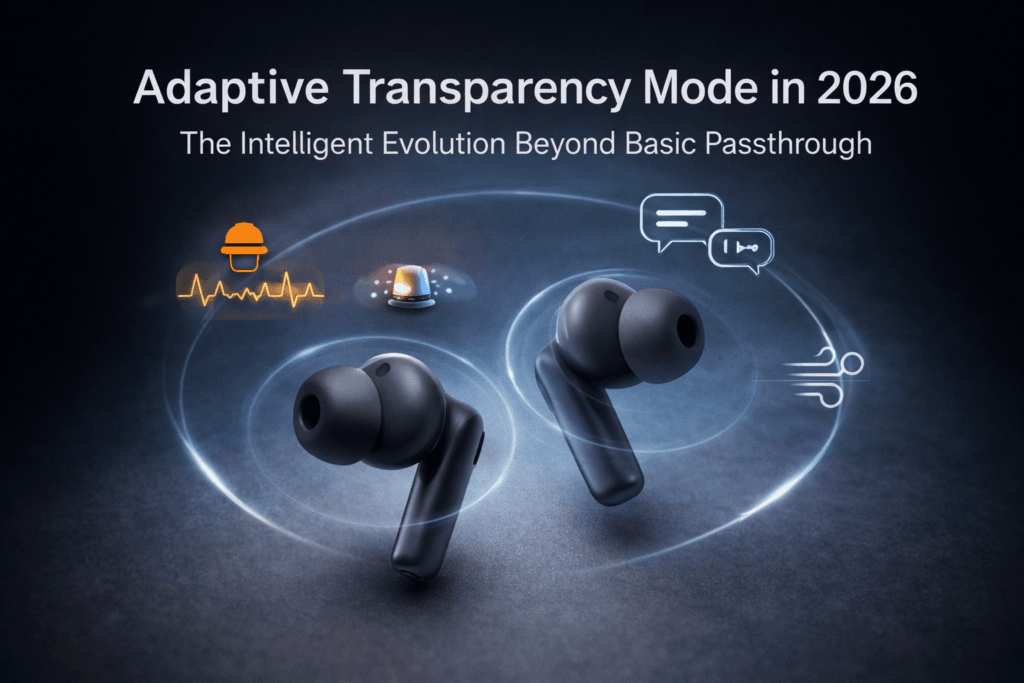
Adaptive Transparency Mode in 2026: The Intelligent Evolution Beyond Basic Passthrough
Adaptive Transparency Mode in 2026: The Intelligent Evolution Beyond Basic Passthrough Noise cancellation used to be the headline feature. Transparency was the
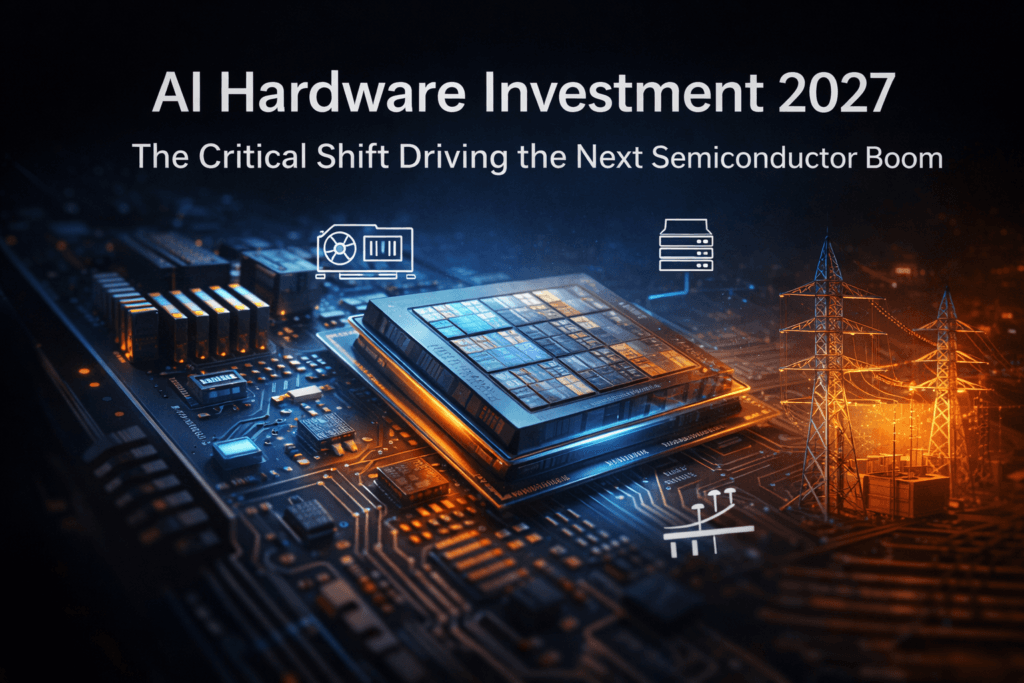
AI Hardware Investment 2027: The Critical Shift Driving the Next Semiconductor Boom
AI Hardware Investment 2027: The Critical Shift Driving the Next Semiconductor Boom In 2023 and 2024, the AI conversation centered on models.