
Studio Sound Myth Exposed: The Misleading Truth About Consumer Headphones
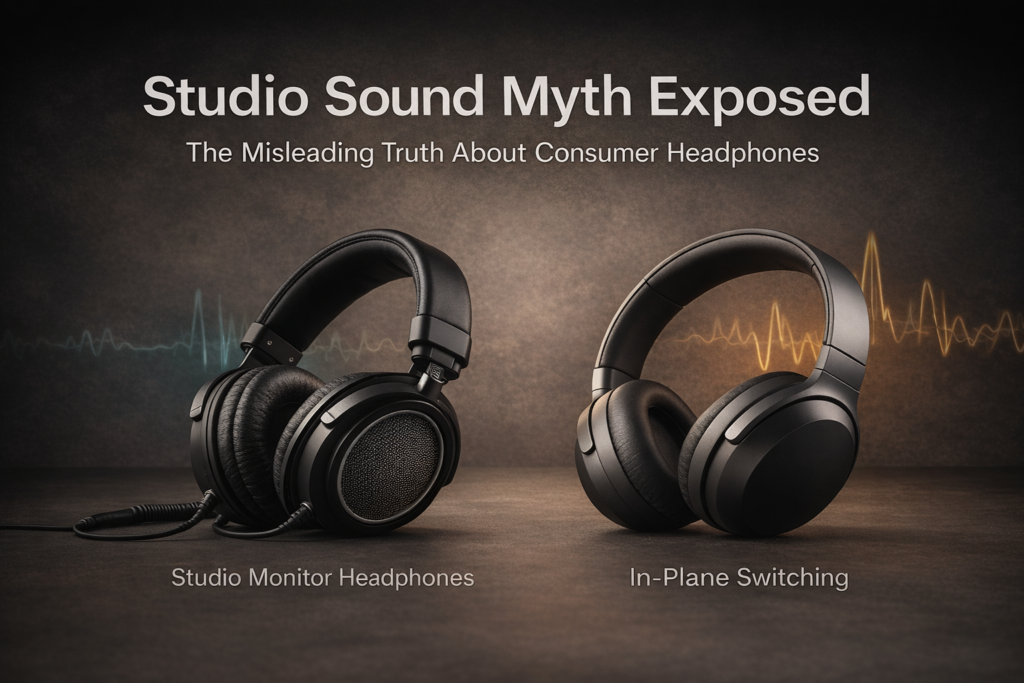
“Studio sound” has become one of the most persuasive—and misunderstood—phrases in consumer audio. It implies neutrality, accuracy, and professional credibility. Yet for most listeners, that promise is at best incomplete and at worst misleading. The studio sound myth persists not because it’s true, but because it feels authoritative in a market where sound quality is hard to define.
Where the Idea of Studio Sound Actually Comes From
In professional environments, sound isn’t tuned to be pleasant—it’s tuned to be revealing under specific conditions. Studio monitors and reference headphones are designed for controlled rooms, calibrated listening levels, and trained ears. Their goal is not enjoyment but decision-making.
Consumer headphones operate in the opposite reality. They’re used in noisy environments, at varied volumes, across genres, and for long sessions. Translating “studio sound” directly into this context ignores the conditions that made it meaningful in the first place. This mismatch is the foundation of the studio sound myth.
Why Neutral Isn’t Universally Natural
Neutrality in audio is a technical construct, not a biological one. Human hearing is nonlinear. We perceive frequencies differently depending on volume, duration, and even mood. What measures flat does not always sound balanced.
This is why many truly neutral tunings feel thin, sharp, or fatiguing to casual listeners. Studio tools assume compensation happens in the brain of a trained engineer. Consumer products cannot rely on that assumption. When brands market neutrality without context, they sell expectation rather than experience.
The Hidden Variable: Monitoring vs Listening
Studio gear is designed for monitoring—identifying flaws, balances, and errors. Consumer gear is designed for listening—immersion, emotional connection, and longevity. These goals conflict more often than marketing admits.
Placed here to clarify the distinction, this snapshot shows how intent diverges:
| Context | Primary Goal |
|---|---|
| Studio monitoring | Accuracy for correction |
| Mixing / mastering | Consistency across systems |
| Consumer listening | Enjoyment and comfort |
| Casual daily use | Fatigue-free balance |
The studio sound myth collapses these differences into a single promise that doesn’t hold up in real use.
Why “Studio-Tuned” Often Becomes a Branding Shortcut
Most consumers can’t easily evaluate tuning quality. Brands know this. “Studio” signals seriousness without requiring explanation. It borrows credibility from professional spaces while avoiding their constraints.
In practice, many “studio-tuned” consumer headphones are simply tuned conservatively—less bass, more presence, restrained coloration. That can sound impressive in short demos but exhausting over time. The label survives because it’s difficult to disprove without experience.
The Psychological Bias Toward Professional Language
Words like “reference,” “monitor,” and “studio” trigger trust. They suggest objectivity in a subjective field. This bias leads listeners to reinterpret what they hear through expectation.
A slightly forward treble becomes “detail.” Reduced warmth becomes “accuracy.” The brain fills gaps to match the label. This is how the studio sound myth sustains itself even when the listening experience doesn’t align with enjoyment.
A Contrarian Truth: Studios Don’t Sound the Same Either
There is no single studio sound. Professional environments vary widely in acoustics, monitor choices, and target curves. Engineers adapt constantly, learning their tools rather than expecting universal neutrality.
If studios themselves don’t agree on one sound, expecting consumer headphones to deliver it is unrealistic. The myth assumes a standard that doesn’t exist.
What Consumers Actually Mean When They Say “Studio Sound”
Most listeners aren’t asking for true reference tuning. They’re asking for clarity without boominess, detail without harshness, and balance that works across genres. That’s not studio sound—it’s thoughtful consumer tuning.
The problem isn’t the desire for accuracy. It’s the belief that accuracy has a single, professional definition. The studio sound myth distracts from the more useful question: does this tuning work for how and where you listen?
Why Context-Aware Tuning Matters More Than Labels
Great consumer headphones account for real-world variables: lower listening volumes, background noise, and long-term comfort. They may deviate from strict neutrality to sound more natural under these conditions.
This isn’t a compromise. It’s optimization. Sound that measures “less accurate” can feel more correct in daily life. Studio ideals don’t fail—they’re simply misapplied.
Rethinking What “Good Sound” Means at Home
Chasing studio sound often leads listeners away from satisfaction. The better approach is understanding your environment, habits, and tolerance for fatigue. Sound quality isn’t absolute—it’s contextual.
Once that’s accepted, the studio sound myth loses its grip. Labels matter less. Experience matters more.
The Reality Beneath the Myth
Studio sound isn’t a badge of quality—it’s a description of purpose. When removed from its environment, it becomes marketing shorthand rather than guidance.
The best consumer headphones aren’t the ones that claim professional lineage. They’re the ones that disappear, letting music feel right without explanation.
Accuracy serves work. Enjoyment serves listening. Confusing the two is how myths survive.
Recalibrate How You Judge Audio Claims
- Follow our Instagram @vibetric_official for grounded audio perspective.
- Bookmark vibetric.com to cut through tuning labels and jargon.
- Stay connected as real-world listening replaces borrowed ideals.
What’s your take on this?
At Vibetric, the comments go way beyond quick reactions — they’re where creators, innovators, and curious minds spark conversations that push tech’s future forward.
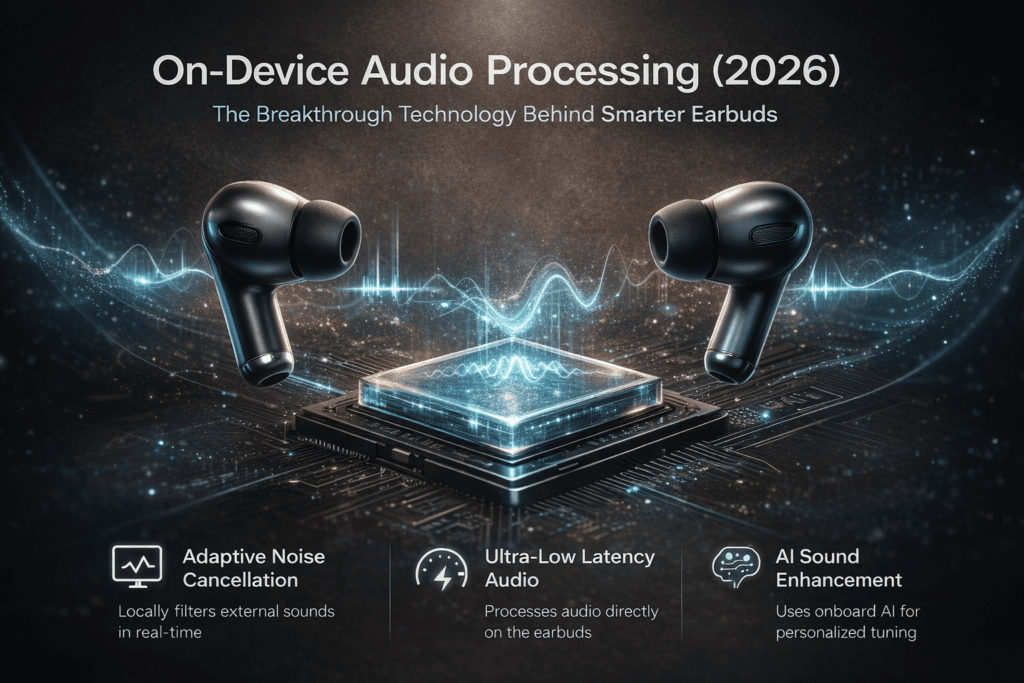
On-Device Audio Processing (2026): The Breakthrough Technology Behind Smarter Earbuds
On-Device Audio Processing (2026): The Breakthrough Technology Behind Smarter Earbuds A commuter taps play on the subway. The train roars into the
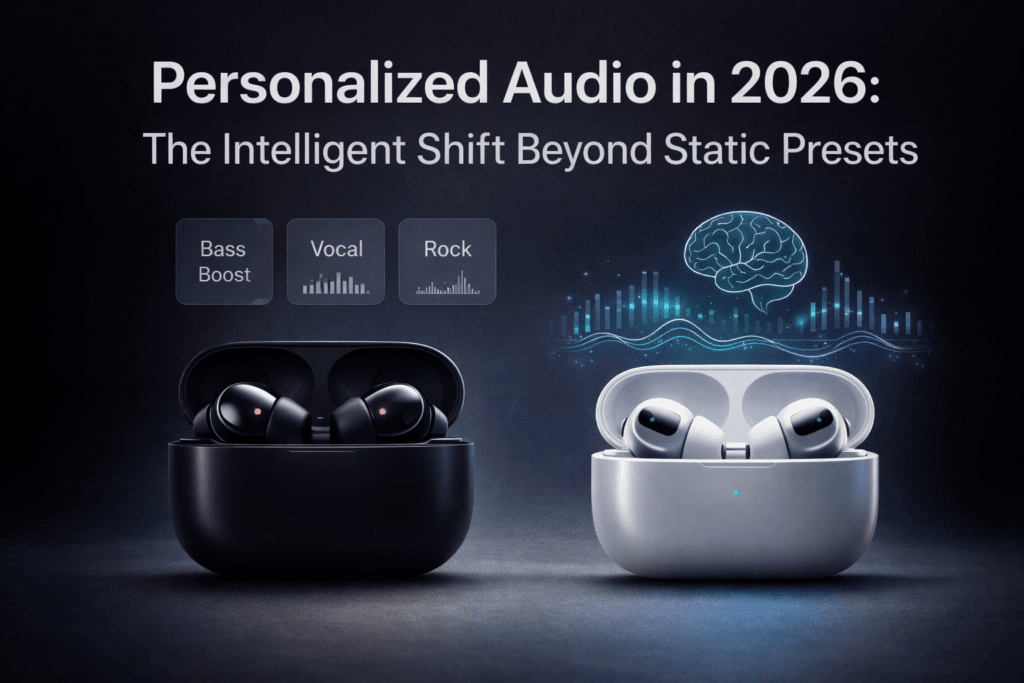
Personalized Audio in 2026: The Intelligent Shift Beyond Static Presets
Personalized Audio in 2026: The Intelligent Shift Beyond Static Presets For years, audio customization meant choosing a label. “Bass Boost.”“Vocal.”“Rock.”“Podcast.” These presets