
Are Sound Signatures the New Branding Language?
In the past, audio branding was visual. Logos, color palettes, packaging — all tangible, visible symbols of identity. But today, the battlefield has shifted. Brands are increasingly using sound signatures as their invisible identity markers.
The subtle hum of a smartphone startup screen. The distinctive startup chime of a laptop. Even a car engine’s note is tuned to convey brand personality. These aren’t just sounds — they’re emotional triggers, instantly connecting users to a brand without a single word.
In 2025, sound signatures are more than marketing; they’re part of user experience strategy. They influence perception, reinforce trust, and sometimes even determine purchase decisions. From headphones and gaming gear to mobile devices and smart home speakers, every note matters.
Consumers are waking up to this nuanced layer of design. Where once visual identity was king, auditory identity now shapes how we experience and remember products. And as devices become smarter, the sound they emit — from notification tones to system alerts — becomes a language of its own.
This blog explores why sound signatures are becoming the new branding language, how they’re implemented, and what it means for both brands and consumers.
⚡Quick Summary Table
| Category | Traditional Branding | Sound Signature Branding |
|---|---|---|
| Purpose | Visual identity | Auditory identity |
| Emotional Impact | Moderate | Instant, subconscious |
| Longevity | Long-term visual recall | Long-term audio recall |
| Application | Logos, packaging | System sounds, notifications, device chimes |
| Brand Recognition | High | Emerging, growing |
| Cross-Platform Integration | Easy | Requires audio ecosystem alignment |
| Consumer Influence | Limited | Strong in experience-based products |
🧭What This Blog Covers
✔ Explains the concept of sound signatures
✔ Breaks down how brands implement them across devices
✔ Compares effectiveness versus traditional branding
✔ Shares real-world user insights
✔ Evaluates future potential
❌ Does not include every brand globally
❌ Not a deep acoustic engineering tutorial
❌ Excludes copyright/legal implications
Evaluation Focus:
- Auditory identity design
- Emotional resonance
- Real-world recognition
- Cross-platform consistency
🛠️Design & Build Analysis
Sound signatures are meticulously crafted:
- Frequency ranges: Mid and high tones often evoke clarity and optimism; low tones evoke power and trust
- Duration: Short enough to be non-intrusive, long enough to be memorable
- Timbre: Distinctive tonal character, often subtle but unique
- Consistency: Across products, apps, and platforms
Mini Comparison Table
| Brand | Signature Type | Tonal Profile | Duration | Recognition |
|---|---|---|---|---|
| Apple | Startup chime | Clear, bright | 1 sec | Iconic |
| Samsung | Device alerts | Mid-balanced | 0.7 sec | Recognizable |
| Sony | Headphone startup | Deep, warm | 1.2 sec | Strong |
| Tesla | Door & notification | Electronic, precise | 0.8 sec | Memorable |
🔉Audio / Experience Integration
The value of sound signatures lies in contextual experience:
Notifications & Alerts
- Designed to be non-annoying yet instantly recognizable
- Helps users identify device type or app without looking
Start-Up / Boot Sounds
- Brands embed personality and reliability
- Creates subconscious trust and satisfaction
Product Ecosystem Integration
- Cross-device consistency strengthens brand recall
- Example: Apple’s MacBook, iPhone, and iPad share harmonized alert tones
Micro Table
| Device Type | Signature Role | Strength |
|---|---|---|
| Smartphone | Notification | Instant recognition |
| Laptop | Startup | Professional feel |
| Smart Speaker | Voice prompt | Brand personality |
| Gaming Gear | System alerts | Immersive identity |
🚀Performance Breakdown
Sound signatures are judged by recognition and preference, not decibels or EQ charts:
- Users instantly associate tones with brands
- Repetition reinforces memory
- Misaligned or inconsistent sounds lead to confusion or negative perception
- In gaming and headphones, signature sounds add emotional engagement, enhancing the immersive experience
🔋Battery Life & Efficiency
Sound signatures must be energy-efficient:
- Low-power playback for devices like smartwatches or wireless earbuds
- Short tones reduce battery consumption
Hardware optimization ensures consistent quality across low-fidelity devices
📱Software & Experience Layer
Sound signatures rely heavily on software integration:
- OS-level implementation ensures uniformity
- Apps and devices sync with system tones
- Updates must preserve the brand tone without distortion
- Customization options for accessibility can coexist without diluting identity
👥Real-World User Insights
| Insight Type | Summary |
|---|---|
| Praise | Users quickly recognize Apple or Tesla tones |
| Complaints | Inconsistent Android OEM tones create confusion |
| Misconceptions | “Sounds are just alerts” — false |
| Long-Term Behavior | Users form emotional attachment to familiar tones |
| Preference | Short, non-intrusive tones are favored |
| Customization | Too many user-modifiable tones reduce brand recall |
| Engagement | Gaming gear with signature alerts enhances immersion |
| Cross-Device | Consistency across ecosystem improves brand loyalty |
🥊Competitor Comparison
| Brand | Strength | Ideal For |
|---|---|---|
| Apple | Iconic startup + alerts | Premium users |
| Samsung | Recognizable alerts | Mid-to-high segment |
| Sony | Headphones & AV devices | Audiophiles |
| Tesla | Car & ecosystem | EV enthusiasts |
| Microsoft | Windows tones | Productivity & software |
📌Pros & Cons
✅ Pros
- Creates immediate brand recognition
- Strengthens emotional connection
- Supports ecosystem consistency
- Enhances immersive experiences in gaming or audio
- Subtle, yet memorable
❌ Cons
- Misuse can annoy users
- Overly complex tones reduce effectiveness
- Inconsistent implementation weakens identity
- Customization can dilute signature
- Not universally recognized outside core users
🎯Buyer Guide
- Brand-conscious users: Notice subtle cues, increasing attachment
- Gamers / Audiophiles: Immersion and emotional engagement
- Professional creators: Consistency across devices enhances workflow
- Tech enthusiasts: Track how brands evolve auditory identities
⚠️Known Issues & Limitations
- Variations across regions and models can weaken recognition
- Aging devices or firmware changes can distort original tones
- Accessibility needs sometimes conflict with signature fidelity
- Sound signatures are subtle — not everyone perceives them consciously
🔮Future-Proofing Score
- Expected growth in AI-generated brand tones
- Potential integration with haptic feedback and immersive media
- Wider adoption in AR/VR ecosystems
- Consistency across cross-platform ecosystems is key to longevity
💬 Vibetric Verdict
Sound signatures are quietly becoming the new branding language. They transcend visuals, connect users emotionally, and reinforce brand identity in an era of immersive experiences. In 2025, sound signatures are no longer optional — they are a defining element of premium product design.
🔗 Stay in the Loop
We help you choose smarter, not louder.
- Follow @vibetric_official on Instagram for For more insights into audio design, sound signatures, and immersive branding trends.
- Bookmark Vibetric.com for for expert reviews, trend analysis, and buyer guides.
No fluff. No bias. Just honest performance — the Vibetric way.
❓ FAQs
- What is a sound signature?
A sound signature is a distinct audio element or tone that represents a brand’s identity across devices and experiences. - Why are sound signatures important for brands?
They create instant recognition, strengthen emotional connections, and reinforce brand recall without visuals. - Which brands are best known for sound signatures?
Apple, Tesla, Sony, and Microsoft are leaders in using distinctive auditory cues. - How are sound signatures applied in gaming gear?
Through system alerts, notifications, and startup tones to enhance immersion and brand consistency. - Can users customize sound signatures?
Yes, but excessive customization can reduce brand recognition and weaken emotional impact. - Are sound signatures considered marketing or UX?
Both — they bridge marketing, emotional branding, and user experience design. - Do sound signatures impact product perception?
Yes, consistent and well-crafted tones can make products feel premium and trustworthy. - How long should a sound signature last?
Typically 0.5–1.5 seconds — long enough to be recognizable but short enough to avoid annoyance. - Will sound signatures evolve with AI?
Yes, AI is expected to generate adaptive, context-aware brand tones for future devices. - Are sound signatures only for premium devices?
No, mid-range devices also benefit, but premium brands leverage them more for ecosystem identity.
💬 What’s your take on this?
The comment section at Vibetric isn’t just for reactions — it’s where creators, thinkers, and curious minds exchange ideas that shape how we see tech’s future.
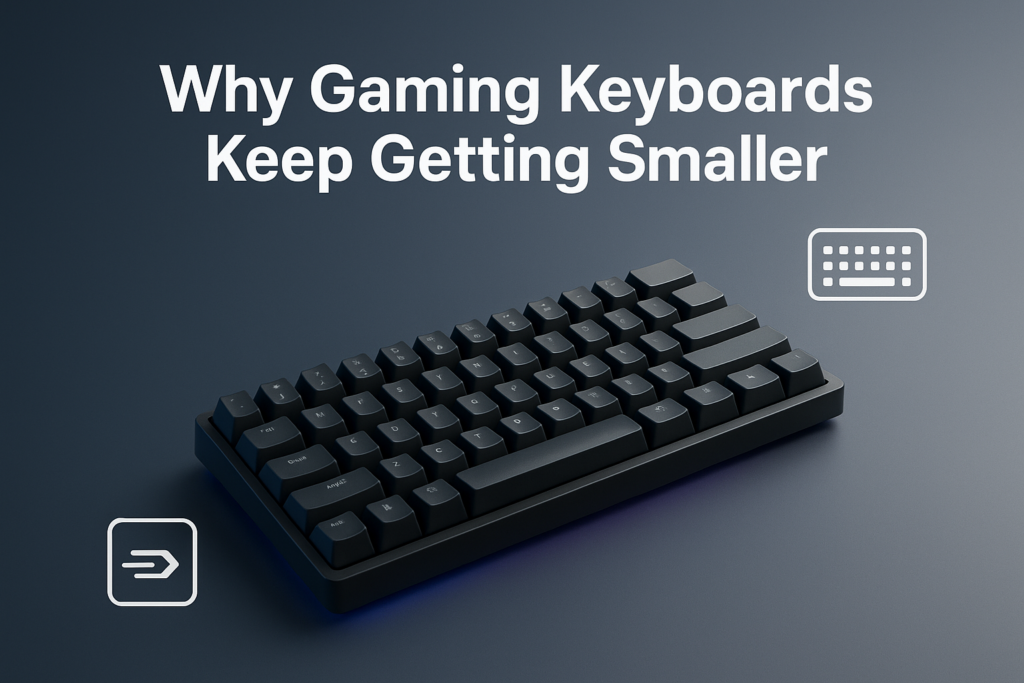
Why Gaming Keyboards Keep Getting Smaller
Why Gaming Keyboards Keep Getting Smaller The trend toward compact gaming keyboards has accelerated in 2025, and it’s more than just a
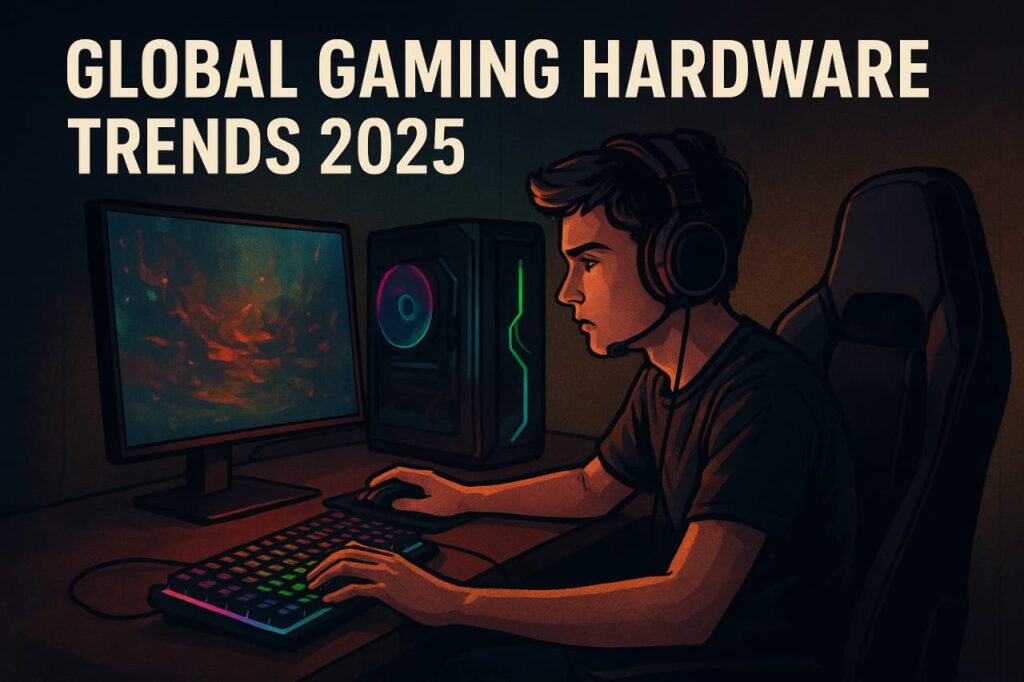
The Evolution of Global Gaming Hardware — From Casual to Esports-Driven Design
The Evolution of Global Gaming Hardware — From Casual to Esports-Driven Design The neon glow of RGB lights reflected off countless monitors