
Smartphone Price Inflation: The Real Problem Behind Rising Phone Prices Worldwide
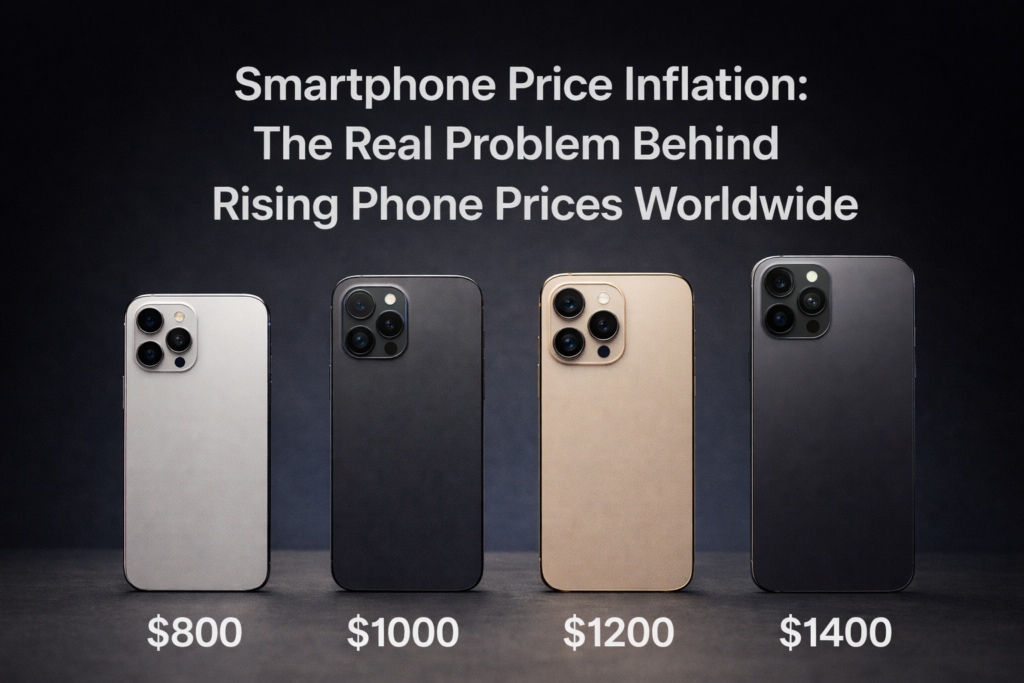
Smartphone prices haven’t just increased—they’ve normalized at levels that once felt exceptional. What used to be “flagship-only” pricing is now common across upper-mid tiers, and consumers are quietly adapting. The question isn’t whether smartphone price inflation is real, but why it feels so persistent even when yearly upgrades appear incremental. The answer sits at the intersection of cost structure, market psychology, and how the industry now defines value.
The Shift from Devices to Platforms
Modern smartphones are no longer sold as isolated pieces of hardware. They’re entry points into ecosystems—cloud services, subscriptions, accessories, and software layers that extend far beyond the device itself. Pricing reflects this repositioning. Manufacturers increasingly price phones based on lifetime user value, not just bill-of-materials logic.
This platform framing subtly changes expectations. A phone isn’t compared only against last year’s model, but against the broader digital environment it unlocks. Smartphone price inflation accelerates when the product stops being “a phone” and becomes a long-term service anchor.
Why Component Costs Are Only Part of the Story
It’s easy to point at chip complexity, advanced camera modules, or display technology as the primary drivers of higher prices. These factors matter—but they’re no longer the dominant force. Component costs have stabilized relative to performance gains, especially as manufacturing processes mature.
What’s grown faster is integration cost. Tighter tolerances, custom silicon optimization, longer software support commitments, and regulatory compliance across multiple regions all add invisible layers of expense. These aren’t features consumers can see, but they’re baked into final pricing.
Perception Management and the New “Acceptable Expensive”
Pricing isn’t set in a vacuum. Brands actively train the market. Gradual increases, spread over generations, recalibrate what feels reasonable. What once triggered backlash now feels expected.
This is where smartphone price inflation becomes psychological. Consumers don’t just accept higher prices—they rationalize them through camera improvements, longevity claims, or resale narratives. When price increases are framed as maturity rather than markup, resistance softens.
The Financing Effect: When Full Price Stops Feeling Real
Installment plans, trade-in credits, and carrier bundles have quietly decoupled perceived cost from actual price. Monthly payments mask escalation. The headline number rises, but the emotional impact shrinks.
This financing layer enables manufacturers to push boundaries without triggering demand collapse. As long as monthly affordability holds, total price can climb. Smartphone price inflation thrives in systems where the pain is distributed over time.
A Snapshot of Where the Money Really Goes
Placed here to ground the discussion, this breakdown highlights how pricing logic has evolved beyond parts alone:
| Cost Driver | Why It Pushes Prices Up |
|---|---|
| Custom silicon & optimization | Higher R&D amortized per unit |
| Software support longevity | Multi-year engineering commitment |
| Global compliance & logistics | Region-specific cost duplication |
| Ecosystem integration | Value priced beyond hardware |
These factors don’t generate flashy launch headlines, but they quietly reset baseline pricing year after year.
Market Consolidation Removes Downward Pressure
As the global smartphone market matures, competition narrows at the top. Fewer dominant players mean less incentive to undercut aggressively. Instead, brands differentiate through ecosystem depth, brand trust, and perceived longevity.
This consolidation reduces natural price correction mechanisms. When innovation cycles slow and switching costs rise, smartphone price inflation becomes easier to sustain without losing core customers.
The Contrarian Angle: Prices Aren’t Rising—Expectations Are
From another perspective, smartphones may not be overpriced; they’re overburdened. Consumers expect them to replace cameras, wallets, navigation systems, entertainment hubs, and even productivity tools. Pricing reflects this role expansion.
Seen this way, inflation isn’t just monetary—it’s functional. As expectations grow, so does willingness to pay, even if innovation feels subtle. The disconnect lies between visible change and invisible responsibility.
Why Innovation Feels Slower at Higher Prices
Higher prices raise the bar for perceived progress. When devices cost more, incremental gains feel insufficient. This fuels the narrative that innovation has stalled, even when underlying complexity has increased.
The industry hasn’t stopped advancing—it’s optimizing, refining, and stabilizing. Unfortunately, refinement doesn’t excite like disruption, especially when paired with smartphone price inflation.
What This Means for Buyers Going Forward
Price increases are unlikely to reverse. Instead, value will be redistributed—through longer device lifespans, software differentiation, and ecosystem lock-in. The smart decision isn’t chasing the newest model, but understanding where real utility aligns with personal usage.
As smartphones settle into their role as long-term tools rather than annual upgrades, pricing reflects permanence more than novelty. The market has quietly moved on—even if buyers are still catching up.
Stay Ahead of the Signal, Not the Noise
- Follow our Instagram @vibetric_official for global tech context beyond launch hype.
- Bookmark vibetric.com to track where pricing logic is actually headed.
- Stay connected for deeper insight into how markets quietly reshape value.
What’s your take on this?
At Vibetric, the comments go way beyond quick reactions — they’re where creators, innovators, and curious minds spark conversations that push tech’s future forward.
AI Smartphones in 2026: The Powerful Infrastructure Shift You Can’t Ignore
AI Smartphones in 2026: The Powerful Infrastructure Shift You Can’t Ignore The most important transformation in mobile technology isn’t visible on the
Next-Gen Smartphones Feel Dramatically Better in 2026 — Even If They Look the Same
Next-Gen Smartphones Feel Dramatically Better in 2026 — Even If They Look the Same The industrial design hasn’t changed much. The camera