
Inside a Smartphone That Actually Matters
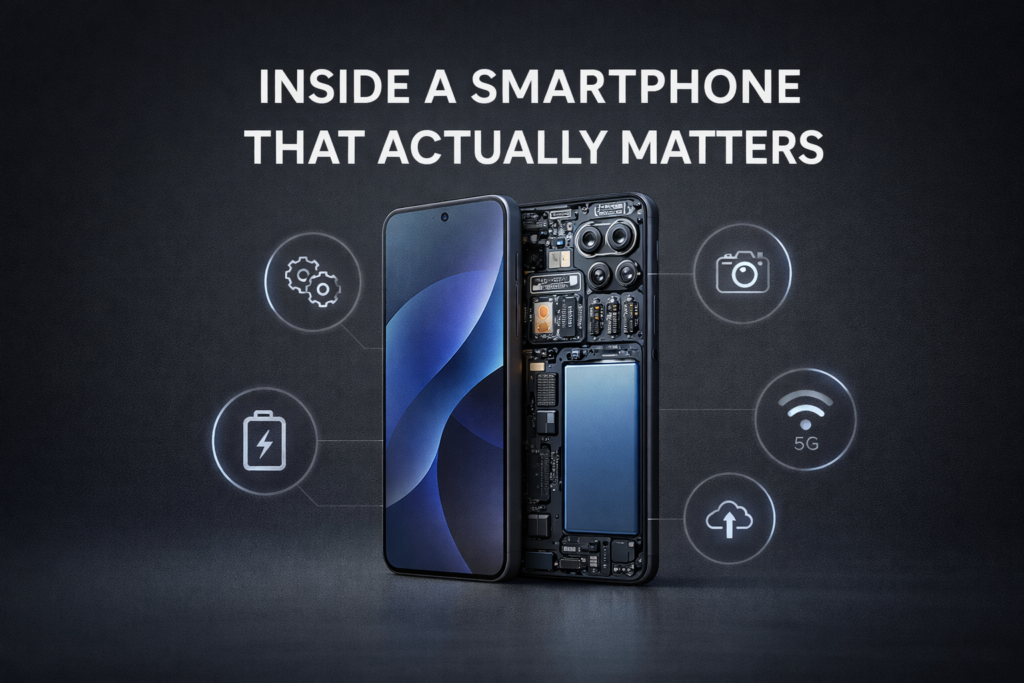
In 2025, smartphones have become more capable and more complex than ever before. Yet when buyers evaluate new releases, not all features carry equal weight. The difference between smartphone features that matter and superficial additions determines whether a phone enriches daily life or just fills spec sheets. With flagship models like the iPhone 17 Pro Max and the Google Pixel 10 Pro leading the pack, the meaningful elements are those that deliver genuine, repeatable value — not just marketing bullet points.
Performance That Keeps Up With You
A truly worthwhile smartphone starts with performance that matters in everyday use. Modern chipsets — such as the Snapdragon 8 Elite Gen 5 found in many 2025 devices — deliver fast and efficient processing for gaming, multitasking, and AI-powered experiences. Beyond just raw clock speed, what counts among smartphone features that matter is sustained performance under real workloads. Battery efficiency, thermal regulation, and intelligent power distribution all influence how apps respond throughout a long day. This blend of silicon and system-level optimization keeps phones feeling fast, not just benchmark-worthy.
Battery Life and Charging That Fits Your Day
Battery capacity alone no longer defines endurance. What matters are the smartphone features that matter in real use: adaptive power management, intelligent charging algorithms, and fast recharging that gets you back into action quickly. Many 2025 phones now offer larger cells paired with silicon and software that reduce background drain, meaning a full charge can genuinely last through heavy browsing, streaming, and navigation sessions. Quick-charge tech — delivering significant charge in minutes — is equally critical for users on the go.
Displays That Enhance Every Interaction
The screen is your window into the device — and in 2025, display technology continues to lead what matters most in smartphones. High-refresh OLED and AMOLED panels with adaptive refresh rates above 120Hz make scrolling smoother, gaming more immersive, and animation more fluid. True full-screen designs with minimal bezels and under-display camera tech deliver uninterrupted viewing real estate. When evaluating smartphone features that matter, look for displays that balance brightness, clarity, and energy efficiency in daily tasks and outdoor use.
Cameras That Capture Life, Not Just Pixels
Camera systems remain one of the most visible examples of smartphone features that matter. Beyond the megapixel count, real value comes from computational photography, sensor size, lens versatility, and AI-driven processing. Flagship phones like the Pixel 10 Pro and iPhone 17 Pro Max use advanced AI to enhance low-light shots, correct perspective, and stabilize video. Multi-lens setups with ultra-wide and telephoto options increase flexibility across shooting scenarios. What you want in a camera is consistency — the ability to capture moments accurately without manual fiddling.
AI Integration That Feels Useful
Artificial intelligence in 2025 is no longer hype; it is embedded in everyday features that matter. From responsive voice assistants and intelligent camera improvements to adaptive UI behavior and predictive battery management, AI elevates the phone from reactive tool to proactive companion. For example, context-aware suggestions, real-time translation, and smart media tagging — all powered by on-device AI — transform how you interact with content and apps. These capabilities belong squarely in the category of smartphone features that matter because they reduce friction and adapt to you instead of forcing you to adapt to the phone.
Connectivity for a Connected Life
In 2025, connectivity is more than fast 5G — it’s about reliability everywhere you go. Low-latency networks, robust Wi-Fi performance, and even satellite-assisted messaging for emergencies are increasingly relevant. Seamless switching between networks and stable connections under load matter when video calls, cloud apps, and remote collaboration are part of everyday life. When phones deliver consistent connectivity rather than sporadic bursts, they uphold the promise of being truly useful mobile devices.
Sustainability and Longevity as Core Values
An emerging pillar in what users care about is sustainability — another aspect of smartphone features that matter. Devices built with recycled materials, modular components, longer software support, and eco-conscious packaging reflect a shift in priorities. Not only does sustainability reduce environmental impact, but prolonged software update windows also extend device longevity, ensuring you get more years of meaningful use from your investment.
Mini Comparison: What Actually Matters (Everyday Use)
| Feature Category | Practical Value | Why It Matters |
|---|---|---|
| Performance | Fast & sustained | Daily responsiveness |
| Battery & Charging | Long life + quick recharge | All-day use without anxiety |
| Display Quality | High refresh & brightness | Better viewing & gaming |
| Camera System | Consistent, versatile results | Real-life photo/video value |
| AI Integration | Smarter automation | Personalized user experience |
| Connectivity | Reliable data everywhere | Essential for work & social |
This snapshot distills what makes a smartphone genuinely impactful beyond marketing buzz.
Contrarian Angle — What Doesn’t Matter as Much
Not every headline spec translates into everyday benefit. Ultra-high megapixel counts, incremental processor bumps year-to-year, or gimmicky sensors often dominate reviews but rarely change daily usage. True value lies not in raw numbers but in how features improve reliability, ease of use, and functional longevity — the essence of smartphone features that matter.
Closing Insight
By 2025, smartphones embody a complex blend of hardware, software, and AI-driven capabilities. The features that matter most are those that enhance core experiences: dependable performance, strong battery life, immersive displays, adaptable cameras, responsive AI, and lasting support. When evaluating new devices, focusing on these elements — over transient specs — reveals what will truly shape daily interactions with your phone. In the end, a smartphone worth owning is one that not only impresses on paper but improves how you live, work, and connect.
Choose What Truly Enhances Your Device
- Follow our Instagram @vibetric_official for thoughtful tech analyses that go beyond specs.
- Bookmark vibetric.com to explore deep dives on meaningful smartphone trends and features.
- Stay updated on the innovations that truly define user experience in 2025.
What’s your take on this?
At Vibetric, the comments go way beyond quick reactions — they’re where creators, innovators, and curious minds spark conversations that push tech’s future forward.

Ray Tracing in 2026: The Powerful Shift From Experimental to Standard Graphics
Ray Tracing in 2026: The Powerful Shift From Experimental to Standard Graphics The technology spent years as a benchmark showcase. Now it’s

The Powerful Shift to NPU Computing in (2026): Why CPUs Are No Longer Enough
The Powerful Shift to NPU Computing in (2026): Why CPUs Are No Longer Enough For four decades, the CPU was the definitive