
Why Premium Smartphones Are Turning into Lifestyle Statements
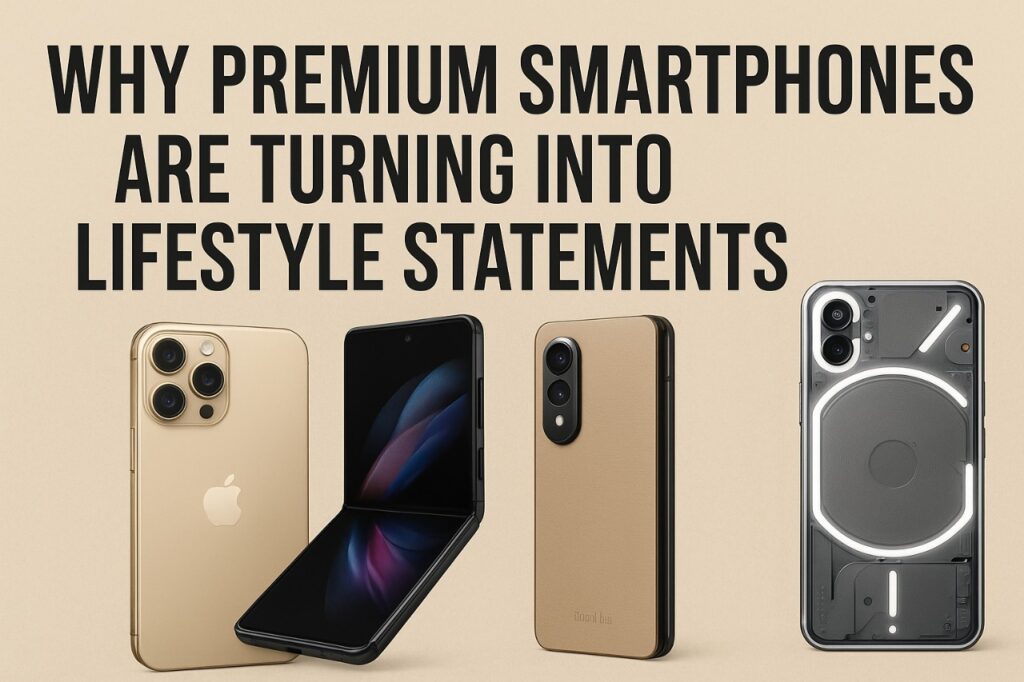
In 2025, the smartphone is no longer just a device—it’s a declaration of identity. A premium smartphone today says more about the user than any accessory they own. It signals ambition, taste, lifestyle, and even mindset.
A decade ago, buying a high-end phone meant you simply wanted the best camera or fastest processor. But the landscape has shifted. Premium smartphones are transforming into lifestyle statements, influenced by branding, culture, social perception, and the merging of personal + professional life into one digital hub.
This transformation didn’t happen overnight. It evolved through years of design language changes, aspirational branding, luxury collaborations, social media influence, and the psychological shift from “I use this” to “I represent this.”
Today, owning a premium smartphone is an expression of where you see yourself—professionally, socially, and creatively. In the era of Instagram, remote work, personal branding, and AI-driven productivity, this shift is more visible than ever. Premium smartphones now play the role that watches, cars, and fashion once dominated: signals of identity, status, and self-worth.
This Vibetric analysis breaks down why premium smartphones have become lifestyle statements, what consumers subconsciously signal through their choices, and how brands like Apple, Samsung, and Google intentionally shape this perception.
🧭 Why This Topic Matters
Premium smartphones are no longer just functional tools—they are lifestyle artifacts. Delayed recognition of this trend can lead to:
- Choosing devices based purely on specs rather than long-term identity fit
- Overpaying for features that don’t align with personal workflow or social presence
- Misjudging longevity, ecosystem value, and resale potential
Understanding how premium phones have become extensions of personal and professional identity is crucial for creators, professionals, and enthusiasts who rely on their devices to reflect ambition, creativity, and status.
📊 Quick Snapshot — Premium Phone = Lifestyle Indicator
| Factor | Real-World Impact | Why It Matters |
|---|---|---|
| Design & Materials | Luxury feel, durability | First impression of personality |
| Camera | Social identity, creator mindset | Photos = digital self-image |
| Brand Ecosystem | Work + personal life integration | Represents workflow & priorities |
| Price Level | Affordability vs aspiration | Signals lifestyle tier |
| AI features | Productivity, creativity | Communicates “future-ready” |
| Longevity | Sustainability perception | Says you buy quality, not quantity |
🛠 Design & Build: The First Lifestyle Signal
Premium phones now intentionally look and feel like luxury objects. Design is the first layer of identity.
| Brand | Design Focus | Lifestyle Signal |
|---|---|---|
| Apple | Minimalism + elegance | Premium, artistic, disciplined |
| Samsung Ultra | Productivity + power | Professional, creator, multitasker |
| Pixel Pro | Soft curves + clean UI | Simple, thoughtful, authentic |
Premium devices now use:
- Titanium, aluminum, ceramic, eco-friendly glass
- Refined camera bump signatures
- Premium color palettes: Stone, Titanium, Mint, Sand, Graphite
- Ultra-slim bezels for a classy, modern silhouette
Brands now treat colors and materials like fashion houses treat collections. A “Natural Titanium iPhone” or “Emerald Galaxy Ultra” isn’t just a color—it’s a lifestyle signal designed to trigger emotional association.
Design has evolved from engineering-first to identity-first. Your phone communicates your persona more than a watch or pair of shoes ever could.
📺 Display, Camera & Audio: The New Social Currency
In 2025, your camera is part of your digital identity.
Camera as a lifestyle indicator:
- High-quality images → polished online presence
- Wide-angle choices → travel & exploration personality
- Portrait mode → aesthetic-focused identity
- 4K/8K video → creator or entrepreneur mindset
| Feature | Why It Affects Lifestyle |
|---|---|
| 4K/8K video | Creator identity |
| Portrait mode | Aesthetic-conscious mindset |
| Ultra-wide lens | Travellers/urban explorer personality |
| Spatial audio/video | Modern content creator lifestyle |
Premium cameras shape how others perceive you online. Crisp photos, smoother videos, and cinematic tones improve the “digital version” of you—often more visible than the real one. For Gen Z and young professionals, this matters more than ever.
People don’t just capture moments—they curate identity.
⚡ Performance: Power Users = Personality Type
Raw specs no longer impress—effortlessness does.
People now brag about:
- Zero-lag performance
- Faster export times
- AI-assisted workflows
- Seamless multitasking
Premium performance signals:
- You work faster
- You multitask more
- You value speed and efficiency
- You live a digital-first, productivity-driven lifestyle
Premium performance is now a lifestyle flex, not just a spec sheet metric.
🔋 Battery & Efficiency: The Hidden Lifestyle Indicator
Battery isn’t just about mAh—it reflects lifestyle behaviour:
- Frequent travellers → need strong endurance
- Busy professionals → rely on fast charging
- Content creators → require stable power under load
- Minimalists → value long-term battery health
A phone that can last 14 hours straight communicates: “You’re someone who gets things done.”
💻 Software & OS Identity: The New Digital Class System
Ecosystem = lifestyle.
| Ecosystem | Lifestyle Identity |
|---|---|
| Apple | Creative, polished, disciplined, professional |
| Samsung Ultra | Productivity-driven, feature-heavy, power user |
| Google Pixel | Calm, minimalistic, photography-focused |
Switching ecosystems is now akin to switching personality groups. People say:
- “I can’t leave Apple now.”
- “I’m an Android guy; I love control.”
This isn’t tech talk—it’s identity talk.
🌐 Community Insights — Reddit Snapshot
| Praise | Complaints | Misconceptions | Long-term behaviour |
|---|---|---|---|
| Premium feel | Too expensive | “Premium = just specs” | Keep phones longer |
| Camera excellence | Heavy weight | “AI is gimmicky” | Ecosystem loyalty |
| Long software support | Charging speed | “Android difficult” | Upgrade every 3–4 yrs |
| Top-tier display | Large size | “iPhone unchanged” | Prefer polished experience |
🥇 Competitor Comparison — Lifestyle Positioning
| Brand | Lifestyle Type | Ideal For | Visual Identity |
|---|---|---|---|
| Apple Pro Max | Luxury + creativity | Designers, entrepreneurs | Minimal, elegant |
| Samsung Ultra | Power + productivity | Multitaskers, stylus users | Bold, futuristic |
| Google Pixel Pro | Calm + artistic | Photographers, authentic lifestyle | Soft, playful |
Summary: Community discussions reveal that update speed and reliability matter more than flashy features. Pixel and Samsung dominate user satisfaction, while budget brands remain unpredictable.
🧠 Expert Insights
- Design and materials matter more than specs: Premium devices like Apple iPhones or Samsung Ultra aren’t just built for performance—they’re built to communicate identity. The feel of titanium, glass, and ceramic signals status, professionalism, and attention to detail.
- Ecosystem choices shape lifestyle perception: Apple, Samsung, and Google Pixel ecosystems subtly influence daily routines, productivity, and social signaling. Switching brands can feel like switching personality groups.
- Camera and display performance are social currency: High-end cameras and calibrated displays impact how others perceive your digital identity. Frequent updates to software and AI enhancements keep your “digital self” polished.
- Longevity is now a lifestyle factor: Devices with regular updates, optimized performance, and durable materials reflect responsibility, sustainability, and long-term planning. Consumers subconsciously associate reliability with personal discipline and ambition.
🧩 What Most Reviews Don’t Tell You
Many mainstream reviews focus on hardware specs or benchmarks, overlooking the real-world impact of updates and ecosystem integration:
- Delayed updates can reduce camera and audio optimization, even on flagship devices.
- Security patches are more important for long-term safety than minor UI tweaks.
- Budget devices may feel “fast” at launch but lag after 12–24 months without regular updates.
- Users relying on inconsistent updates can face app compatibility issues sooner than advertised.
✅ Pros & Cons of the Lifestyle Shift
Pros:
- Phones feel personal and expressive
- Better long-term value
- Creators benefit from professional tools
- Ecosystems improve workflow and convenience
- Premium durability = sustainable, long-term use
Cons:
- Prices rising beyond accessibility
- Lifestyle branding can pressure unnecessary upgrades
- Specs may take a backseat to perception
- Strong brand loyalty reduces flexibility
- Marketing influence’s identity perception
🛒 Who This Trend Applies To
Ideal For:
- Creators and designers
- Brand-conscious professionals
- Students building personal branding
- Entrepreneurs and freelancers
- Travelers, vloggers, digital nomads
Not Ideal For:
- Budget-conscious buyers
- Minimalist tech users
- Offline-first consumers
⚠️ Limitations & Criticisms
- Over-marketing lifestyle features can lead to unrealistic expectations
- Premium doesn’t always mean functional
- Some users fall into the “status trap”
- Innovation may slow because design sells more than function
⏳ Future-Proofing Insight
Premium smartphones will increasingly:
- Last 4–6 years without major issues
- Become identity hubs powered by AI
- Offer smarter personalization
- Serve as digital fashion symbols
- Merge with wearables, AR glasses & cloud AI
- Represent status, ambition, and personal ethos
The future premium phone won’t just be powerful—it will adapt to your habits, mood, and creative style automatically.
💬 Vibetric Verdict
Premium smartphones aren’t tools—they are reflections of ambition, identity, and personal style. In 2025, premium smartphones are lifestyle statements because people now express creativity, productivity, and social presence through the device they carry every day.
🔗 Stay in the Loop
We help you choose smarter, not louder.
- Follow @vibetric_official on Instagram for weekly insights, expert breakdowns, and deep industry analysis.
- Bookmark Vibetric.com for real-user insights, expert-backed reviews, and trend analysis.
No fluff. No bias. Just honest performance — the Vibetric way.
❓ FAQs
- Why are premium smartphones lifestyle statements?
Design, branding, camera, and ecosystem now influence identity and social presence. - Are premium phones worth it?
Yes—if you value long-term updates, ecosystem features, and quality. - Does brand reflect personality?
Increasingly yes—brands align with specific lifestyle identities. - Which brand leads the lifestyle trend?
Apple & Samsung dominate; Pixel appeals to minimalists. - Do cameras affect lifestyle perception?
Absolutely—social media amplifies their importance. - Are premium phones future-proof?
Most remain relevant 4–6+ years due to software support. - Why are prices rising?
Better materials, advanced processors, stronger cameras, and branding. - Does ecosystem matter?
Yes—it affects workflow, habits, and social perception. - Are AI features part of lifestyle branding?
Yes—AI signals “future-ready” thinking. - Will this trend continue?
Definitely—smartphones are becoming digital extensions of identity.
💬 What’s your take on this?
The comment section at Vibetric isn’t just for reactions — it’s where creators, thinkers, and curious minds exchange ideas that shape how we see tech’s future.
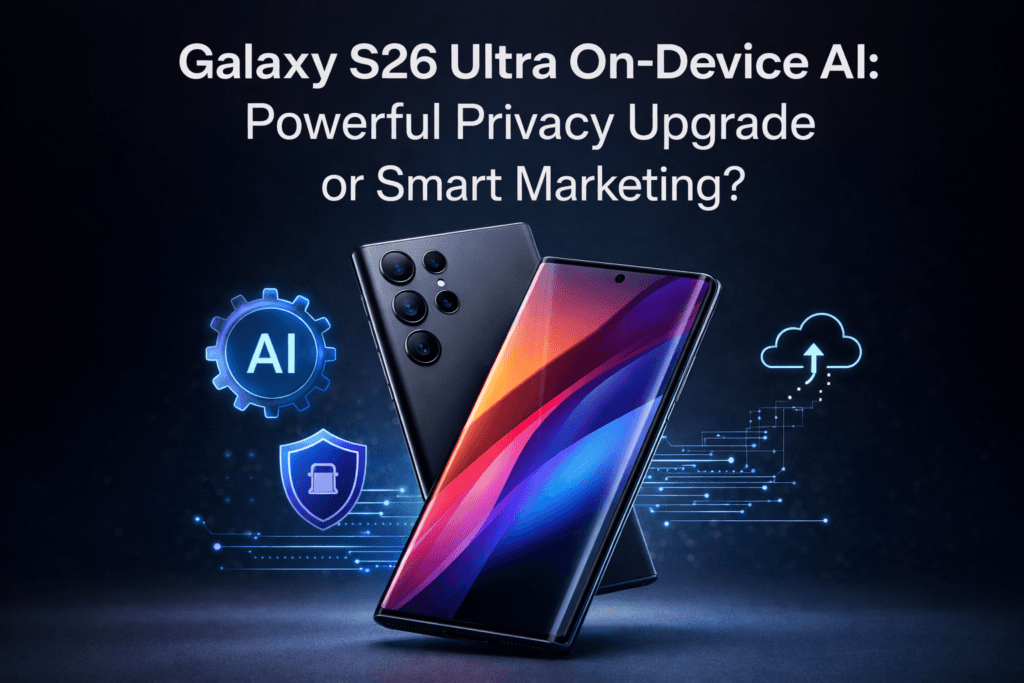
Galaxy S26 Ultra On-Device AI: Powerful Privacy Upgrade or Smart Marketing?
Galaxy S26 Ultra On-Device AI: Powerful Privacy Upgrade or Smart Marketing? Upgrading a flagship phone used to feel obvious. Faster chip. Brighter
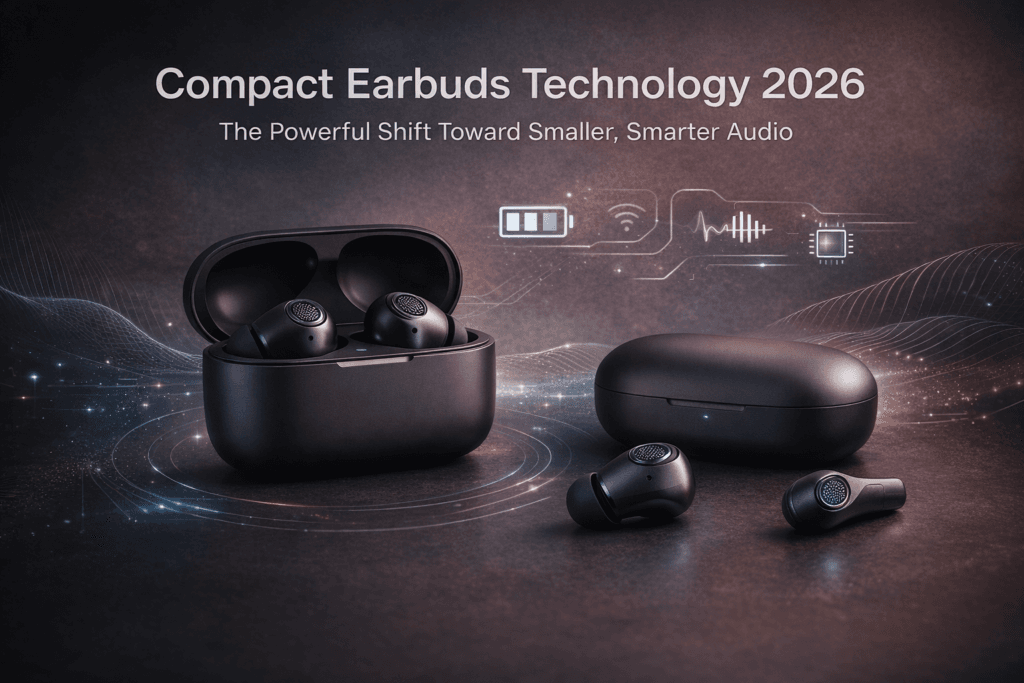
Compact Earbuds Technology 2026 — The Powerful Shift Toward Smaller, Smarter Audio
Compact Earbuds Technology 2026 — The Powerful Shift Toward Smaller, Smarter Audio Minimalism in audio design used to mean compromise. Smaller shells