
The Evolution of Portable Audio — From Utility to Identity
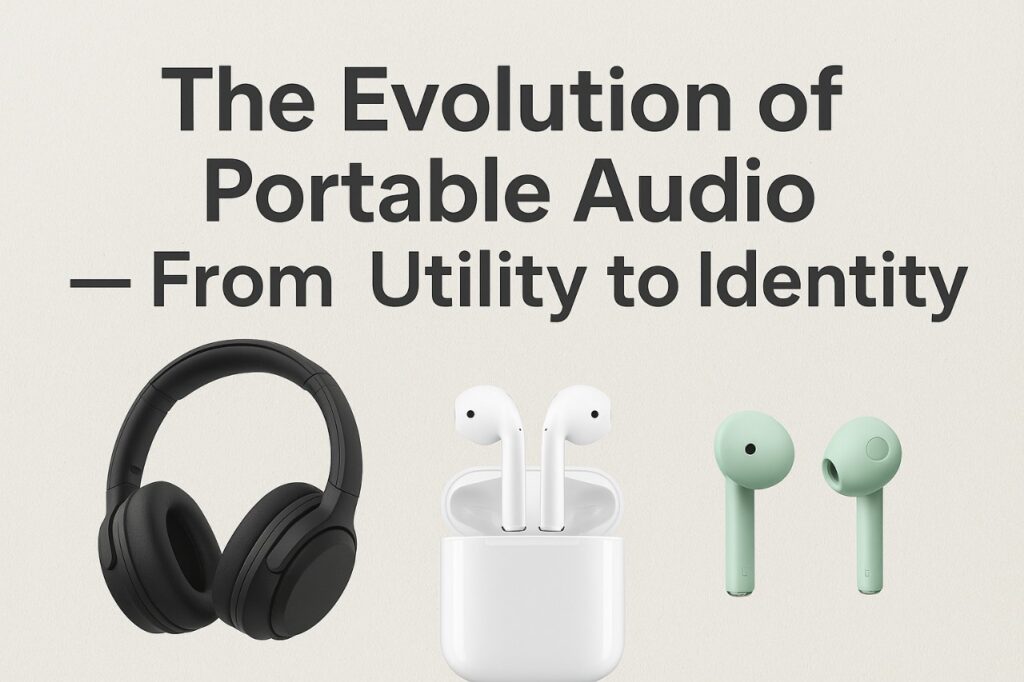
For decades, portable audio was simple: plug in, press play, escape the noise.
But in 2025, portable audio has evolved into something far more personal — a cultural marker, a lifestyle extension, and a form of self-expression as powerful as fashion or tech ecosystems.
From cassette Walkmans to wireless earbuds, the journey of portable audio reflects changing consumer identity, cultural shifts, and the merging of utility with emotional experience.
Today, your choice of earbuds, headphones, audio apps, and sound signature quietly reveals personality, habits, income, taste, and even mindset.
Portable audio is no longer a tool.
It’s a statement.
This Vibetric analysis explores how portable audio transformed from a listening device into an identity symbol — and why the devices you wear in your ears now say as much about you as the phone you carry.
🧭 Why This Topic Matters
Understanding the evolution of portable audio helps consumers avoid:
- Overpaying for branding instead of real audio performance
- Buying devices that don’t match lifestyle or long-term habits
- Falling into marketing traps around “premium sound”
- Ignoring ecosystem value and content compatibility
As portable audio becomes an identity-driven space, choices must match you — not trends.
📊 Quick Snapshot — Portable Audio = Identity Currency
| Factor | Real-World Impact | Identity Signal |
|---|---|---|
| Design & Fit | Comfort + visibility | Minimalist / bold / trendy |
| Sound Profile | Bass-heavy, neutral, bright | Creative vs casual listener |
| Ecosystem Integration | iOS/Android pairing | Loyalty, workflow habits |
| Price Tier | Budget, mid-range, premium | Lifestyle and spending power |
| Features (ANC, Transparency) | Daily convenience | Tech-forward personality |
| Endurance | Long battery life | Travel-ready, productivity-driven |
🎨 Design & Style — The First Identity Layer
Portable audio started with practicality.
Now it’s fashion.
What you wear in your ears is a visual cue.
Brands design audio products like accessories:
- AirPods = minimal, clean, premium
- Sony XM series = professional, audiophile-leaning
- Beats = bold, athletic, lifestyle-focused
- Nothing Ear = transparent, tech-forward aesthetics
Design signals personality before a single note plays.
Premium materials rise:
- Bio-polymers
- Recycled metals
- Soft-touch silicone
- Matte-finish plastics
- Transparent design language
Vibetric Insight: Portable audio isn’t just seen — it’s recognized. Your earbuds reflect your taste the way shoes or watches once did.
📷 Sound, Features & Experience — The New Social Layer
Portable audio defines how you experience the world.
And more importantly:
how the world perceives your taste.
Sound Profile = Personality Indicator
- Bass-heavy → energetic, gym-forward, youthful
- Neutral & balanced → creator, editor, purist
- Bright & airy → detail-oriented, analytical listener
- Warm tuning → nostalgic, relaxed, comfort-focused
Lifestyle Features
Features that once sounded like luxuries are now identity markers:
- ANC → commuter or deep-focus personality
- Transparency Mode → urban lifestyle, multitasker
- Spatial audio → cinematic, immersive mindset
- Multipoint → productivity and workflow-first users
Portable audio now shapes social presence — from Zoom calls to gym sessions to content consumption.
Vibetric Insight: Portable audio isn’t just heard; it’s performed.
⚡ Performance, Battery & Real-World Utility
A device that lasts 8 hours vs 30 hours speaks volumes about lifestyle.
Battery life reflects behavior:
- Long hours: professionals, travelers, students
- Fast charging: efficiency-driven users
- Wireless charging: minimalists, premium segment
Performance no longer only means audio fidelity — it means how well audio integrates into your day.
💻 Ecosystem Identity — Your Audio Belongs Somewhere
Portable audio today is defined not by hardware alone, but by ecosystems.
| Ecosystem | Lifestyle Identity | Practical Benefit |
|---|---|---|
| Apple (AirPods) | Creative, polished, high-efficiency | Seamless integration |
| Sony | Focus-driven, audiophile mindset | Custom EQ, elite ANC |
| Samsung | Productivity-driven | One UI audio features |
| Nothing | Tech-forward, unique | Bold design language |
| JBL & Beats | Sporty, energetic | Bass-heavy, trendy |
Switching audio ecosystems is like joining another community.
Vibetric Insight: Your audio gear reflects your tech identity — just like your phone does.
🌐 Community Feedback (Reddit Snapshot)
| Praise | Complaint | Misconception | Behavior |
|---|---|---|---|
| Transparency modes | Battery drain | “All ANC is equal” | Upgrade every 2 years |
| Comfort-focused designs | Price jumps | “Bass = quality” | Prefer long-term brands |
| App-level customization | Software bugs | “Premium = better sound” | High ecosystem loyalty |
| Strong ANC evolution | Fit inconsistency | “Wireless = lower quality” | Audio-first lifestyle |
🥇 Competitor Comparison — Lifestyle Positioning
| Brand | Lifestyle Type | Ideal For | Sound Identity |
|---|---|---|---|
| Apple AirPods Pro | Minimal luxury | Creators, pros | Balanced + clarity |
| Sony XM Series | Pro-grade | Focused workers | Warm, detailed |
| Bose QC | Comfort experts | Travelers | Clean + neutral |
| JBL / Beats | Active lifestyle | Gym users | Bass-heavy |
| Nothing Ear | Tech aesthetic | Trendsetters | Bright, energetic |
Portable audio brands now behave like fashion labels — designing for specific personas.
🧠 Expert Insights
- Sound is becoming personal branding:
People choose bass, neutrality, or warmth depending on identity and lifestyle — not just preference. - Ecosystem lock-in is stronger in portable audio than ever:
AirPods are more about iOS synergy than sound quality alone.
Sony’s app-level tuning is shaping audiophile micro-cultures. - ANC is evolving into a productivity tool:
Not just silence — focus engineering. - Battery and comfort have become value anchors:
Long sessions require ergonomic engineering, not just audio drivers. - Portable audio is entering the AI era:
Real-time noise profiling, adaptive EQ, and personalized sound-scapes reflect a new frontier.
Vibetric Takeaway: Portable audio is redefining personal environment control.
🧩 What Most Reviews Don’t Tell You
- “Sound quality” is meaningless without context — lifestyle defines listening.
- ANC efficiency varies drastically depending on ear shape, not hardware.
- Portable audio performance changes with app updates and firmware, not just hardware specs.
- Microphone quality is now as important as speakers in the hybrid work era.
- Tuning preferences are cultural — not universal.
Vibetric Reality Check: Audio reviews rarely mention how the gear shapes your daily identity.
⏳ The Future of Portable Audio
Portable audio will evolve faster in the next five years than in the last twenty.
Expect:
- AI-adaptive sound signatures
- Open-ear designs becoming mainstream
- Health monitoring through earbuds
- AR-layered audio environments
- Personalized sound profiles trained on your hearing patterns
- Seamless cross-device audio continuity
Tomorrow’s portable audio won’t just play music — it will curate personal space.
💬 Vibetric Verdict
Portable audio has grown from utility to identity — from a simple listening tool to a symbol of lifestyle, personality, and digital belonging.
In 2025, portable audio is one of the strongest identity markers in personal tech.
It’s emotional, expressive, and deeply personal.
Sound is no longer something you listen to.
It’s something you wear.
🔗 Stay in the Loop
We help you choose smarter, not louder.
- Follow @vibetric_official on Instagram for weekly deep dives, audio breakdowns, ecosystem insights, and the stories that shape modern consumer identity.
- Bookmark Vibetric.com for for expert reviews, trend analysis, and buyer guides.
No fluff. No bias. Just honest performance — the Vibetric way.
❓ FAQs
- Why is portable audio becoming an identity statement?
Because design, sound signature, and ecosystem integration reflect lifestyle, habits, and personality. - Is premium portable audio worth the price?
Yes — if you value comfort, ecosystem features, ANC quality, and long-term durability. - Do wired earphones still matter?
Absolutely. Audiophiles still prefer them for lossless audio and zero latency. - Why do AirPods dominate portable audio?
Because Apple’s ecosystem integration makes the experience seamless and frictionless. - What affects portable audio quality the most?
Fit, tuning, drivers, codecs, and software updates — not just branding. - Is ANC harmful or fatiguing?
Not inherently — but poor ANC tuning can cause pressure discomfort. - Which brand leads in portable audio innovation?
Sony and Apple dominate features; Nothing leads design; Bose masters comfort. - Does battery life reflect portable audio quality?
Not exactly — but it reflects lifestyle fit and daily convenience. - Are open-ear portable audio devices the future?
Yes — especially for safety, comfort, and awareness in urban environments. - Will AI reshape portable audio?
Absolutely. AI-driven tuning, adaptive noise profiles, and personalized sound-scapes are the next big leap.
💬 What’s your take on this?
The comment section at Vibetric isn’t just for reactions — it’s where creators, thinkers, and curious minds exchange ideas that shape how we see tech’s future.
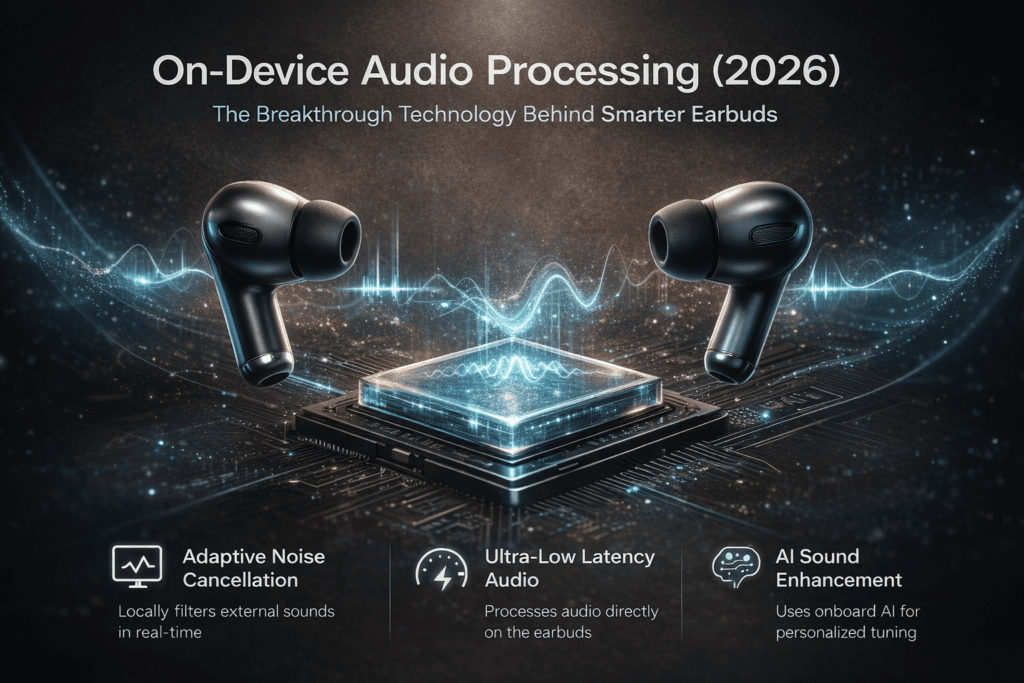
On-Device Audio Processing (2026): The Breakthrough Technology Behind Smarter Earbuds
On-Device Audio Processing (2026): The Breakthrough Technology Behind Smarter Earbuds A commuter taps play on the subway. The train roars into the
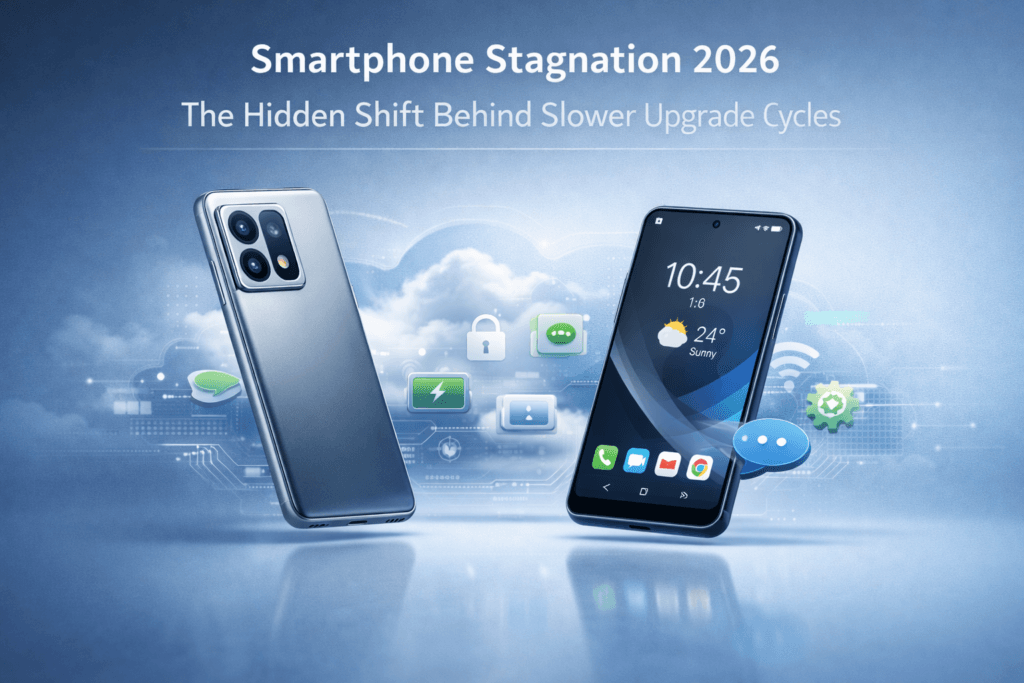
Smartphone Stagnation 2026: The Hidden Shift Behind Slower Upgrade Cycles
Smartphone Stagnation 2026: The Hidden Shift Behind Slower Upgrade Cycles The review unit arrived on schedule, exactly as expected — sealed packaging,