
OLED vs IPS — Which Display Lasts Longer?
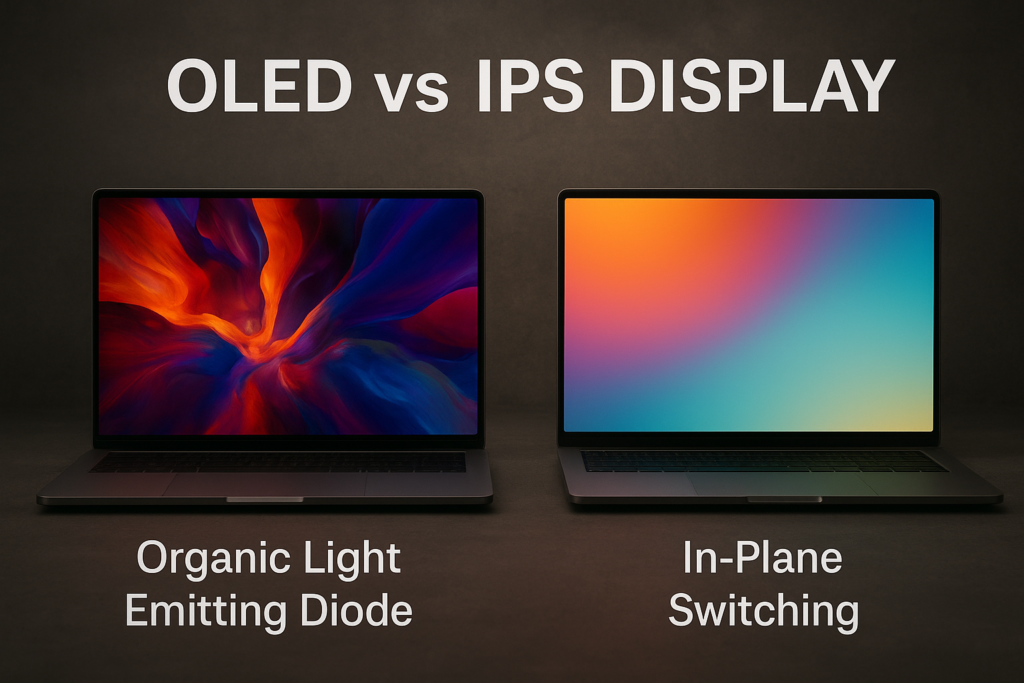
Laptop displays in 2025 have reached a crossroads: OLED panels promise cinematic visuals, while IPS panels remain reliable workhorses. Consumers often prioritize color vibrancy and contrast, but long-term performance and lifespan are equally crucial. Understanding how OLED vs IPS displays age over time is essential for anyone investing in a high-end or productivity-focused laptop.
OLED and IPS: The Core Differences
OLED (Organic Light Emitting Diode) panels light each pixel individually, offering true blacks, infinite contrast, and vibrant colors. Their ability to selectively illuminate pixels enables thin designs and high dynamic range, making them ideal for multimedia.
IPS (In-Plane Switching) LCDs rely on a backlight shining through liquid crystals. While IPS panels maintain consistent color and brightness over time, black levels are limited by the backlight, and contrast ratios cannot match OLED.
Beyond visuals, longevity is a key differentiator: IPS panels degrade more slowly and have no burn-in risk, while OLEDs offer exceptional image quality but require careful usage.
How Display Technology Ages
OLED:
- Burn-in: Persistent static UI elements can leave faint marks over years.
- Pixel decay: Blue subpixels degrade faster, slightly shifting color accuracy.
- Brightness reduction: Maximum brightness declines with prolonged use.
IPS:
- Backlight dimming: LEDs gradually lose intensity, but at a slower, predictable rate.
- Color stability: IPS panels retain accurate colors for years.
- No burn-in risk: Static content does not leave permanent impressions, ideal for coding or productivity.
Real-World Lifespan Comparison
OLED laptops in 2025 maintain peak visual performance for 4–6 years with responsible usage. Users who constantly max out brightness or leave static elements on-screen may see accelerated wear. IPS panels generally retain quality for 6–8+ years, with backlight degradation being the main factor.
Use-case matters: OLED panels excel for media, creative work, and immersive gaming, while IPS is better for office tasks, spreadsheets, coding, and applications with static interfaces.
Performance and Visual Trade-Offs
| Feature | OLED | IPS |
|---|---|---|
| Contrast Ratio | Infinite | ~1000:1 |
| Black Levels | True black | Dark gray |
| Color Accuracy | Dynamic, high | Stable over years |
| Burn-In Risk | Yes, with static content | None |
| Typical Lifespan | 4–6 years | 6–8+ years |
| Power Efficiency | Efficient with dark content | Consistent, higher for dark themes |
Engineering Insights: What Makes OLED Fragile
OLED degradation comes from chemical reactions in organic compounds under constant electrical current. Manufacturers mitigate this through:
- Pixel-shifting to distribute wear evenly
- Adaptive brightness based on ambient light
- UI dimming and dark mode optimizations
IPS panels degrade mainly due to LED dimming, a slower, more predictable process. Engineers prioritize image quality for OLED, durability for IPS, and modern laptops often include software-level protections to extend lifespan.
2025 Laptop Examples
- Apple MacBook Pro M3 (OLED option): Offers vibrant cinematic display, ideal for creatives; brightness management extends lifespan.
- Dell XPS 15 (OLED/IPS options): OLED variant for media-heavy workflows, IPS variant for productivity; both last years with moderate usage.
- Asus Zenbook 14 (IPS): IPS panel prioritizes durability and consistent color accuracy; no burn-in concerns for heavy office use.
These examples illustrate how OLED and IPS fit different user priorities: creativity and immersion versus reliability and longevity.
Practical Advice for Longevity
- Use dark mode or dynamic UI themes to reduce OLED wear.
- Avoid max brightness for prolonged periods.
- Minimize static on-screen elements for OLED devices.
- For IPS laptops, occasional brightness calibration maintains color accuracy.
- Choose display type based on your primary use—media vs productivity.
Closing Insight
OLED panels deliver stunning contrast, deep blacks, and immersive visuals, but careful handling is necessary to maximize lifespan. IPS panels offer predictable durability, stable color, and peace of mind for productivity users. In 2025, the right choice depends not just on visuals, but on how you interact with your laptop daily. Balancing these factors ensures both long-term satisfaction and optimal display performance.
Choose Wisely for Your Laptop Display
- Follow our Instagram @vibetric_official for in-depth display tests, durability insights, and comparison analyses.
- Bookmark vibetric.com to explore practical tips for preserving OLED and IPS laptops.
- Stay updated on panel innovations to make informed decisions for work, creativity, or entertainment.
What’s your take on this?
At Vibetric, the comments go way beyond quick reactions — they’re where creators, innovators, and curious minds spark conversations that push tech’s future forward.
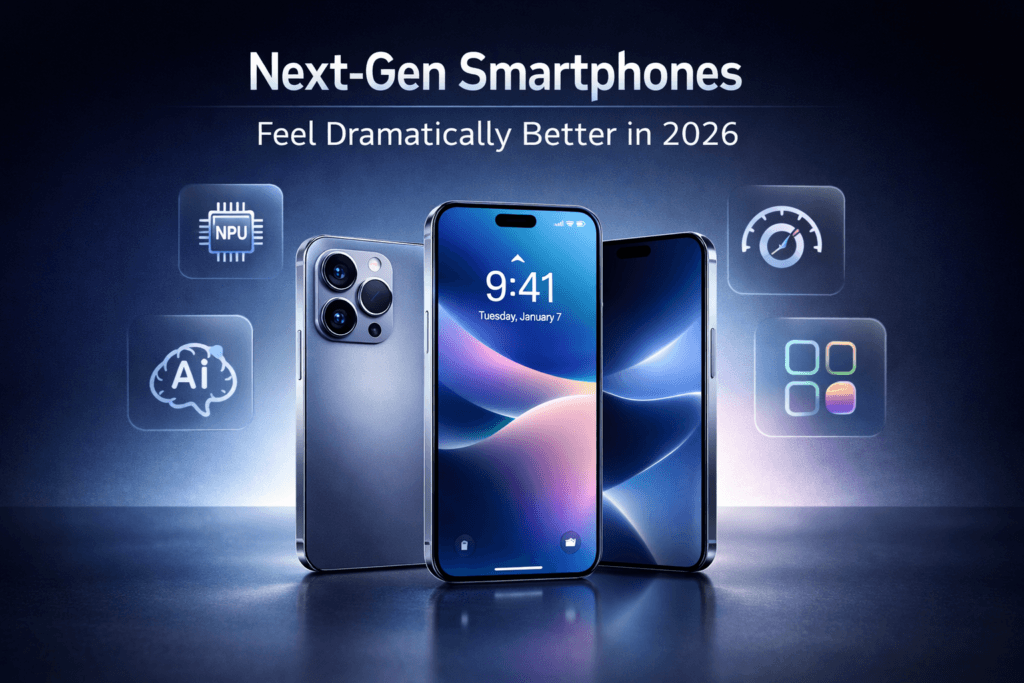
Next-Gen Smartphones Feel Dramatically Better in 2026 — Even If They Look the Same
Next-Gen Smartphones Feel Dramatically Better in 2026 — Even If They Look the Same The industrial design hasn’t changed much. The camera
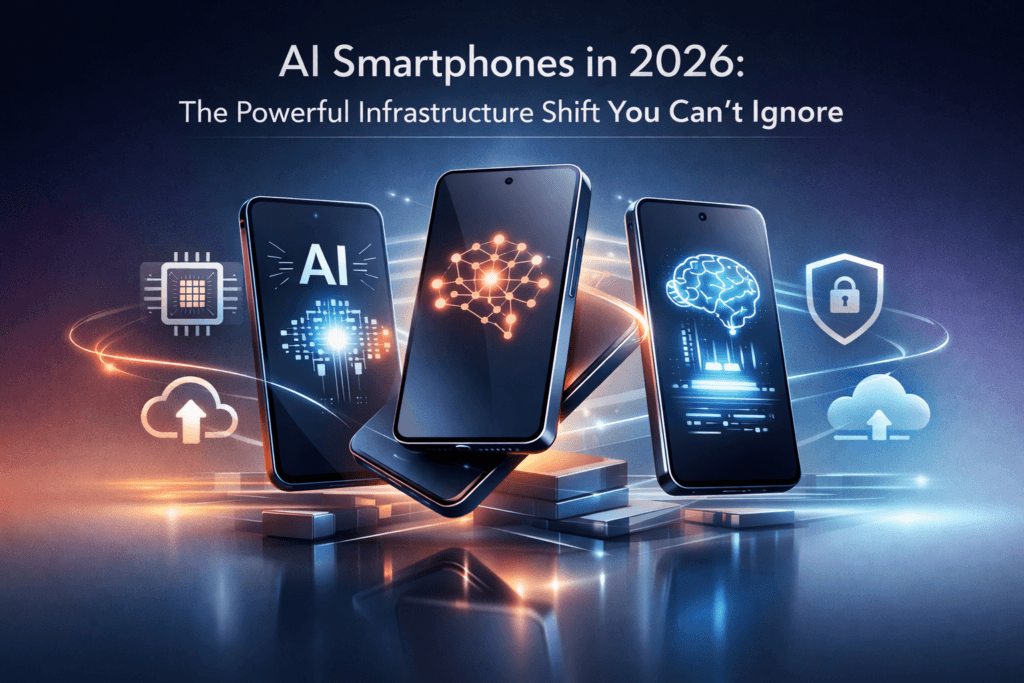
AI Smartphones in 2026: The Powerful Infrastructure Shift You Can’t Ignore
AI Smartphones in 2026: The Powerful Infrastructure Shift You Can’t Ignore The most important transformation in mobile technology isn’t visible on the