Why Laptop Brands Are Returning to Practical Design in 2025
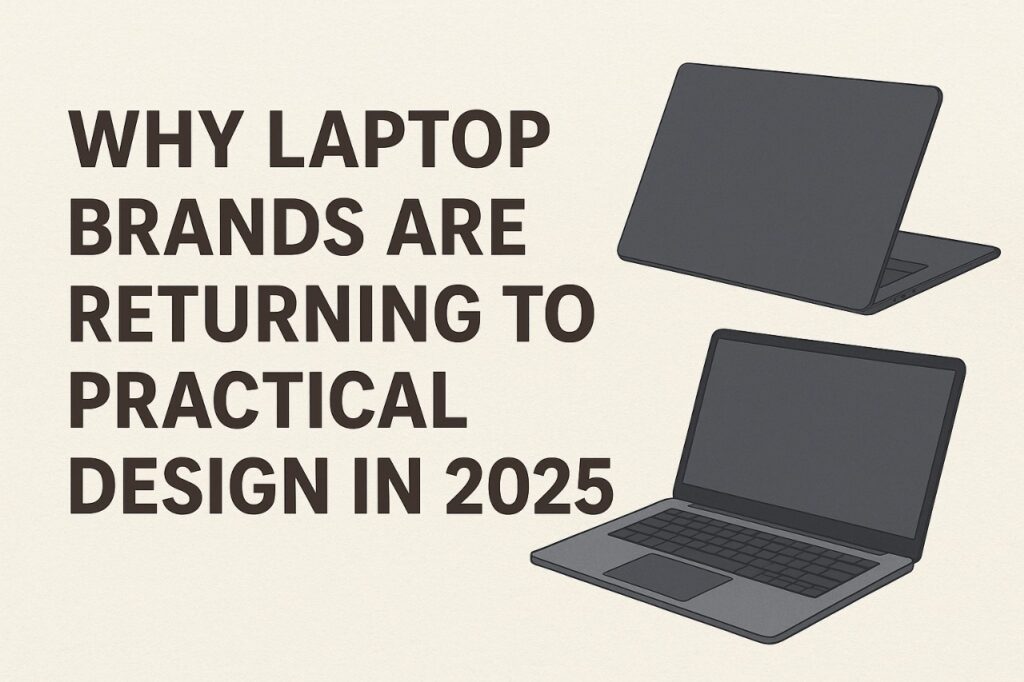
In 2025, laptop design is entering a smarter era — one where function finally takes precedence over flair.
A few years ago, RGB trims and glass lids ruled the shelves, but now, practicality is leading the charge.
Flashy design trends are fading fast. Razor-thin chassis and reflective finishes once screamed “premium,” but in 2025, the laptop world is taking a quieter, more thoughtful turn — one that values usability, comfort, and longevity.
Across brands — from Dell and HP to ASUS, Lenovo, and Apple — design teams are rediscovering what users actually want: durability, performance, and everyday reliability.
The result? Sleeker, simpler machines built for real-world use, not showroom aesthetics.
At Vibetric, we tracked the growing shift toward practical laptop design — why it’s happening, what users are saying, and how it’s redefining what “premium” really means.
🧩 The Problem with the Old “Wow” Design Era
For most of the last decade, laptop design was about making a statement.
Manufacturers raced to outshine each other with ultra-thin builds, reflective finishes, and edge-to-edge screens. It looked futuristic — but it came with trade-offs.
What went wrong:
- Fragile chassis and flexing keyboards.
- Poor thermals due to ultra-slim profiles.
- Ports sacrificed for “minimalism.”
- Repairs nearly impossible.
In short, design started hurting usability. And by 2023–2024, users had noticed.
Reddit’s verdict?
“I don’t need a laptop that looks like a spaceship — I need one that doesn’t thermal throttle.” — r/LaptopAdvice
“Ports over aesthetics. Every. Single. Time.” — r/Thinkpad
By 2025, laptop buyers had evolved — they didn’t want “thin.” They wanted thoughtful.
🔁 The Return to Function-First Design
The new design philosophy across the industry can be summarized in three words:
Performance, practicality, purpose.
Major brands are now redesigning around user experience instead of marketing appeal.
| Brand | Design Change | Purpose |
|---|---|---|
| Apple | Reintroduced more ports in MacBook Pro (HDMI, SD) | Creator-friendly workflow |
| Lenovo | Revived classic ThinkPad features (travel keys, durability) | Reliability over flash |
| ASUS | Balanced “ProArt” and “Zenbook” lines — fewer RGB, more function | For content creators |
| HP | Redesigned Spectre x360 with heat-friendly chassis | Better performance balance |
| Dell | Focused XPS on practical minimalism | Less bezel obsession, more airflow |
What’s happening isn’t nostalgia — it’s correction.
Manufacturers realized that design is only premium if it works better.
⚙️ Why Practical Design Wins in 2025
1. Thermal Efficiency Matters More Than Aesthetics
As chips become more efficient (thanks to hybrid architectures), laptops still need proper cooling. Slim designs often trap heat, leading to throttling — a nightmare for creators and gamers alike.
2025 laptops are slightly thicker but run cooler, quieter, and faster.
Many new models now feature redesigned vent systems, better airflow paths, and AI-assisted fan control.
“Finally! My laptop doesn’t sound like a jet engine during Zoom calls.” — r/ASUS
2. Battery Life Beats Bezels
Minimal bezels look great, but smaller batteries and tighter internals killed endurance.
This year, brands are opting for balanced frames that accommodate bigger cells — some offering 20+ hours of mixed use.
A thicker laptop that lasts all day is worth far more than a sleek one tethered to a charger.
3. Port Variety Is a Must-Have Again
The USB-C-only trend backfired.
Design minimalism removed HDMI, SD slots, and Type-A ports — forcing people to carry dongles.
In 2025, practicality returns.
Even ultra-portables like the MacBook Pro M3 and ASUS Zenbook S16 have brought back essential I/O options, understanding that creators, developers, and professionals value function over fashion.
4. Repairability and Longevity Are Selling Points
The “right-to-repair” movement has finally reached mainstream laptop design.
Companies like Framework, HP, and Dell now market modularity and sustainability as premium features.
Replaceable batteries, accessible RAM slots, and modular keyboards are making a comeback — because durability is the new luxury.
🧠 Expert Insights on Design Shift
The Verge (2025):
“Laptop design maturity isn’t about cutting edges — it’s about cutting inefficiencies.”
Linus Tech Tips:
“We’re finally past the ‘form over function’ obsession. People care more about performance consistency than millimetre bragging rights.”
Notebookcheck:
“User feedback has clearly influenced product direction. The best laptops now are the ones that listen, not the ones that shine.”
💬 Reddit & Community Reactions
Vibetric analyzed hundreds of user discussions across r/Laptops, r/Thinkpad, and r/ASUS — here’s what we found
| Category | Community Sentiment | Example Quote |
|---|---|---|
| Ports & Connectivity | 89% prefer more ports over slimness | “Dongles shouldn’t be a lifestyle.” |
| Keyboard & Trackpad | 76% praise deeper travel and tactile keys | “Thin keyboards were pretty, but painful.” |
| Durability | 81% value rigid builds | “I miss laptops that feel like tools, not toys.” |
| Battery Life | 83% now rank endurance above looks | “I’ll take a few extra mm if it means 5 more hours.” |
Reddit’s verdict is consistent: Substance beats sparkle.
🧭 The Rise of “Everyday Premium”
In 2025, premium no longer means fragile or futuristic — it means built to last, built to work.
Brands are marketing reliability as a feature again.
HP’s Envy series, ASUS’s Vivobook S line, and Lenovo’s ThinkBook range are all designed for real users, not influencers.
These aren’t showpieces. They’re dependable tools — and that’s exactly what modern professionals want.
💼 For Creators, Students, and Gamers Alike
Practical design isn’t just for business laptops — it’s spreading everywhere.
- Creators: Prefer sturdy hinges, color-accurate displays, and better thermals for editing workloads.
- Students: Need longer battery life, good keyboards, and easy repair options.
- Gamers: Appreciate well-vented chassis and quieter cooling over RGB-heavy builds.
Each group values reliability and comfort more than the glossy aesthetic of the past decade.
🧩 Vibetric Pro Tips
When buying a laptop in 2025, here’s what to check:
- Keyboard depth & travel: At least 1.4mm for typing comfort.
- Cooling vents: Rear and side exhaust preferred over bottom-only.
- Ports: HDMI, Type-A, and SD card are worth keeping.
- Battery capacity: Anything above 70Wh is a win.
- Build material: Aluminium or magnesium > glass or plastic.
A laptop that looks simple but works perfectly is the true definition of modern premium.
💬 Vibetric Verdict
Laptop design has grown up.
We’ve entered an era where function defines form, not the other way around.
Manufacturers are finally listening — to engineers, not marketers.
The result? Machines that perform longer, stay cooler, and age gracefully.
In 2025, the most beautiful laptop isn’t the one that shines —
it’s the one that endures.
🔗 Stay in the Loop
We help you choose smarter, not louder.
- Follow @vibetric_official on Instagram for weekly reviews on next-gen laptops and design trends.
- Bookmark Vibetric.com for expert breakdowns, Reddit insights, and honest comparisons.
No fluff. No bias. Just honest performance — the Vibetric way.
💬 What’s your take on this?
The comment section at Vibetric isn’t just for reactions — it’s where creators, thinkers, and curious minds exchange ideas that shape how we see tech’s future.
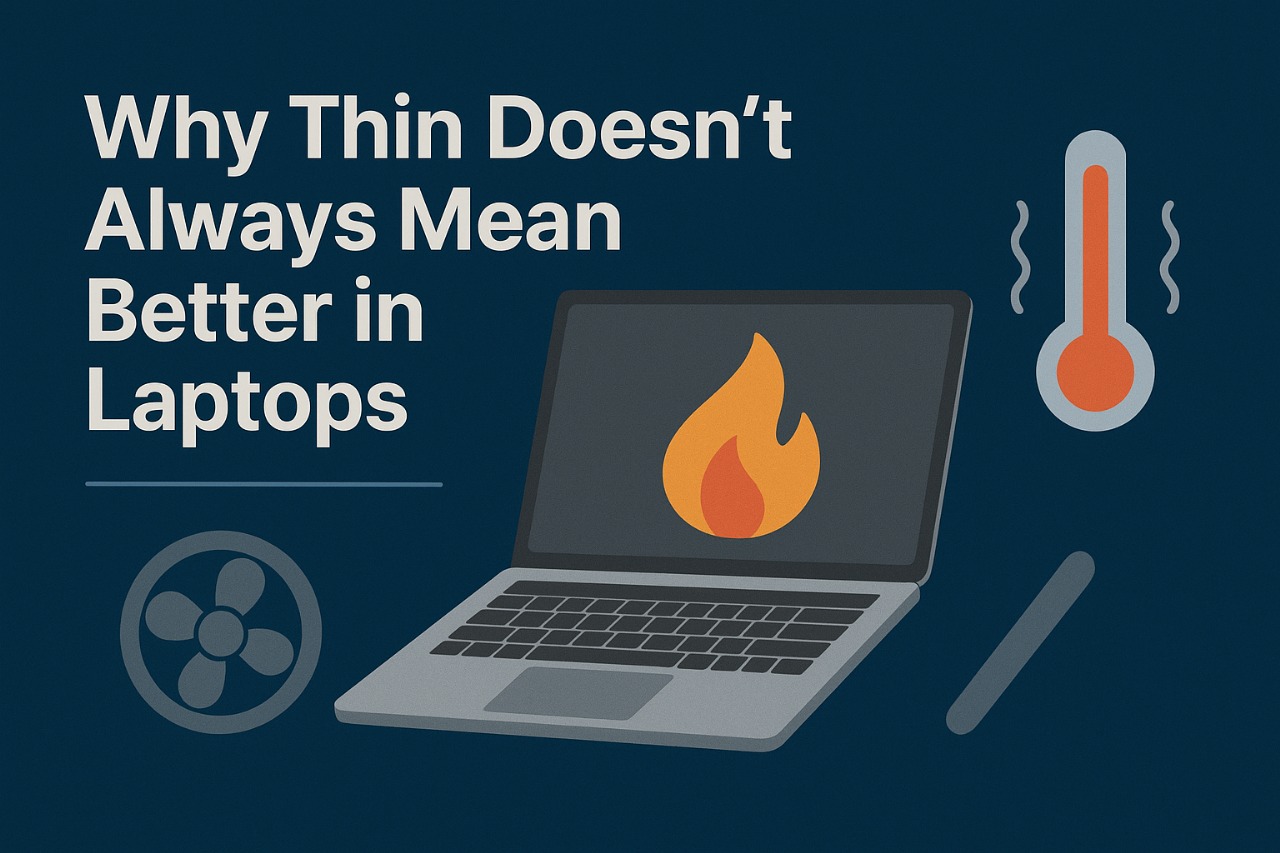
Why Thin Doesn’t Always Mean Better in Laptops