
iOS vs Android in 2025 — What Really Matters
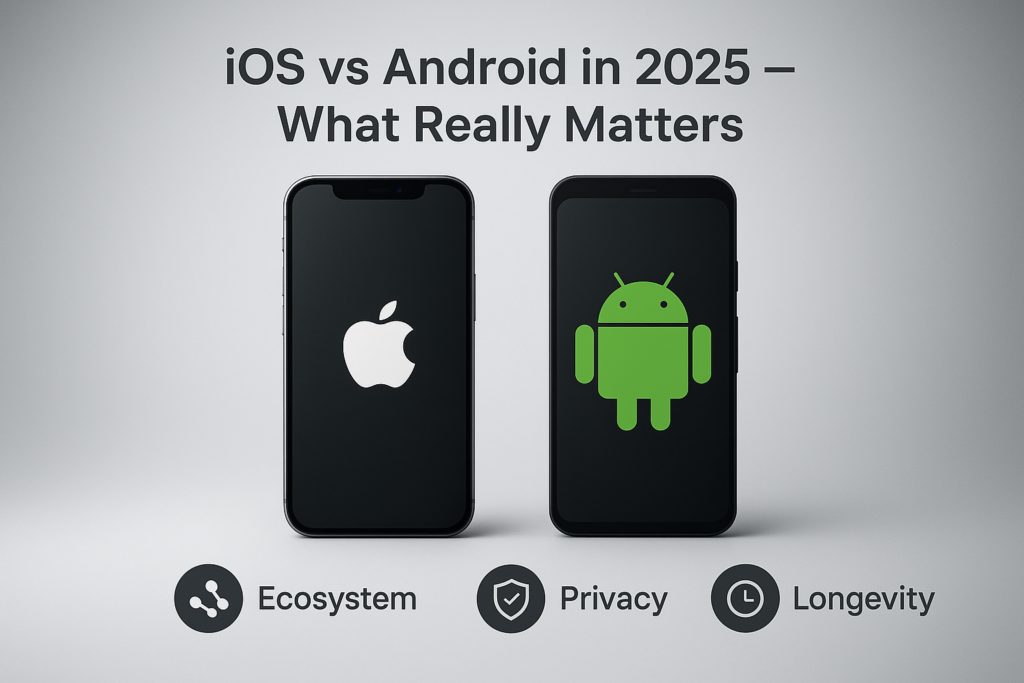
The iOS vs Android debate has evolved in 2025. It’s no longer just about raw specs or megapixels; the conversation now revolves around ecosystem, privacy, and long-term value. Subtle software optimizations, seamless cross-device integration, and platform philosophies define user choice. Understanding these nuances is essential for anyone evaluating their next smartphone.
Ecosystem Matters More Than Hardware
In 2025, both iOS and Android devices handle daily tasks, gaming, and multimedia effortlessly. The real differentiation is in ecosystem connectivity. Apple continues to leverage tight integration across iPhones, iPads, Macs, and Apple Watches, making continuity features seamless.
Android, on the other hand, thrives on flexibility and customization. Its compatibility with a wide range of devices — from smart TVs to wearables from multiple brands — appeals to users who prefer choice over uniformity. When comparing iOS vs Android, ecosystem lock-in has become the defining factor, far outweighing raw CPU or GPU performance for most users.
Software Updates and Longevity
One of the most noticeable differences in iOS vs Android is software longevity. Apple maintains consistent OS updates for six to seven years, keeping devices secure and functional longer. Android has made strides with flagship devices often receiving four to five major updates, but fragmentation still affects mid-range and budget models.
Longevity influences resale value and total ownership cost. Users prioritizing long-term reliability often lean toward iOS, while Android offers flexibility and broader hardware choices, even if update consistency varies.
Privacy, Security, and User Control
Privacy is now a central factor in the iOS vs Android comparison. Apple emphasizes on-device processing, app tracking transparency, and encrypted services. Android provides deeper system control, but security practices vary by manufacturer, which can lead to inconsistent protection.
For users focused on data safety, iOS delivers predictability and simplicity. Android appeals to power users who want granular permissions and system customization, though vigilance is needed to avoid potential security pitfalls.
Cultural and User Behavior Shifts
In 2025, smartphone choice is increasingly influenced by lifestyle rather than specs. iOS dominates markets valuing prestige, ease of use, and integration with personal computing. Android captures audiences prioritizing choice, affordability, and innovation in form factors like foldables or high-refresh displays.
These behavioral patterns affect app development, accessory ecosystems, and brand marketing. Observing iOS vs Android trends in user habits reveals that lifestyle alignment often outweighs technical specifications in platform adoption.
Mini Snapshot: iOS vs Android (2025)
| Feature | iOS | Android |
|---|---|---|
| Ecosystem | Tight, seamless Apple devices | Flexible, multi-brand integration |
| Updates | 6–7 years | 4–5 years (flagships) |
| Customization | Limited, curated | Extensive, layered options |
| Privacy | Predictable, standardized | Powerful but inconsistent |
| Ideal Use | Long-term reliability, integration | Flexibility, budget-conscious, experimental |
Contrarian Angle: Specs Are Secondary
High refresh rates, megapixels, and chip benchmarks still make headlines, but most users won’t notice these differences in daily use. The true battleground in iOS vs Android lies in experience continuity, ecosystem alignment, and long-term reliability. Switching platforms can create adaptation friction, emphasizing that user experience is as psychological as technical.
Closing Insight
In 2025, iOS vs Android reflects maturity rather than revolution. Performance across both platforms is sufficient; the real differentiators are ecosystem, software updates, privacy, and user habits. Choosing the right OS is less about hardware specs and more about aligning with lifestyle, long-term value, and control preferences. The smartphone debate has evolved from a race for features to a study in experience design and user priorities.
Stay Informed About OS Choices
- Follow our Instagram @vibetric_official for deep insights into iOS vs Android and ecosystem strategies.
- Bookmark vibetric.com for detailed breakdowns on updates, privacy, and cross-device integration.
Keep track of tech trends and platform evolution to make informed decisions for your next smartphone.
What’s your take on this?
At Vibetric, the comments go way beyond quick reactions — they’re where creators, innovators, and curious minds spark conversations that push tech’s future forward.
Flagship Review 2025 — Are Premium Phones Still Worth the Price?
Flagship Review 2025 — Are Premium Phones Still Worth the Price? The smartphone industry in 2025 is saturated with flagship phones that
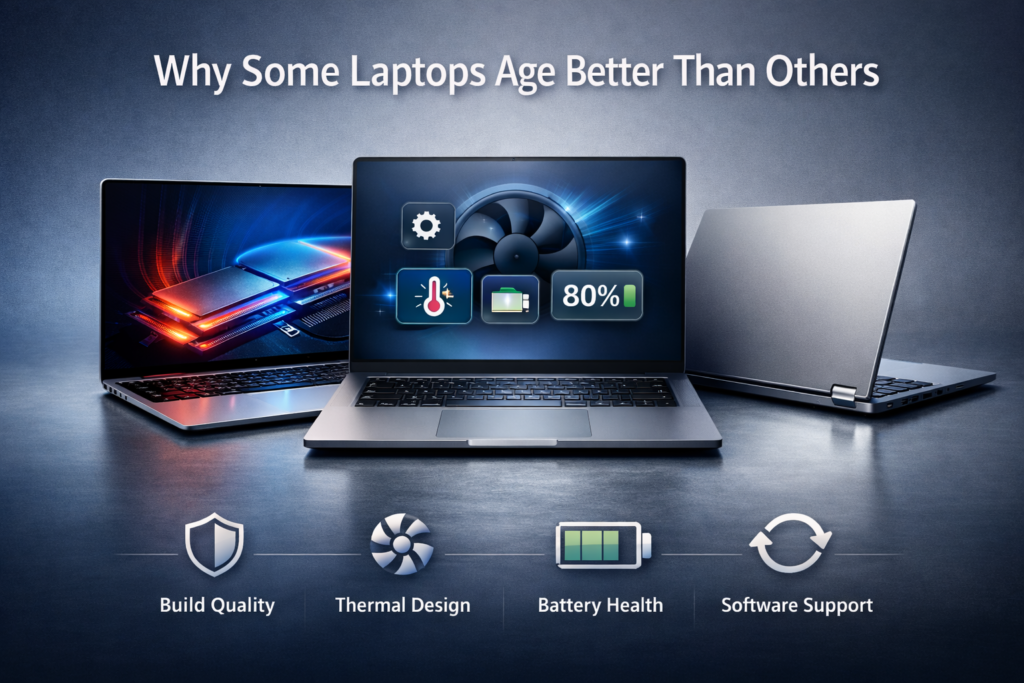
Why Some Laptops Age Better Than Others
Why Some Laptops Age Better Than Others When choosing a laptop in 2025, specifications like CPU speed, GPU power, and display quality