
Google Pixel 9 Review — Smarter Than Ever, or Just Expensive?
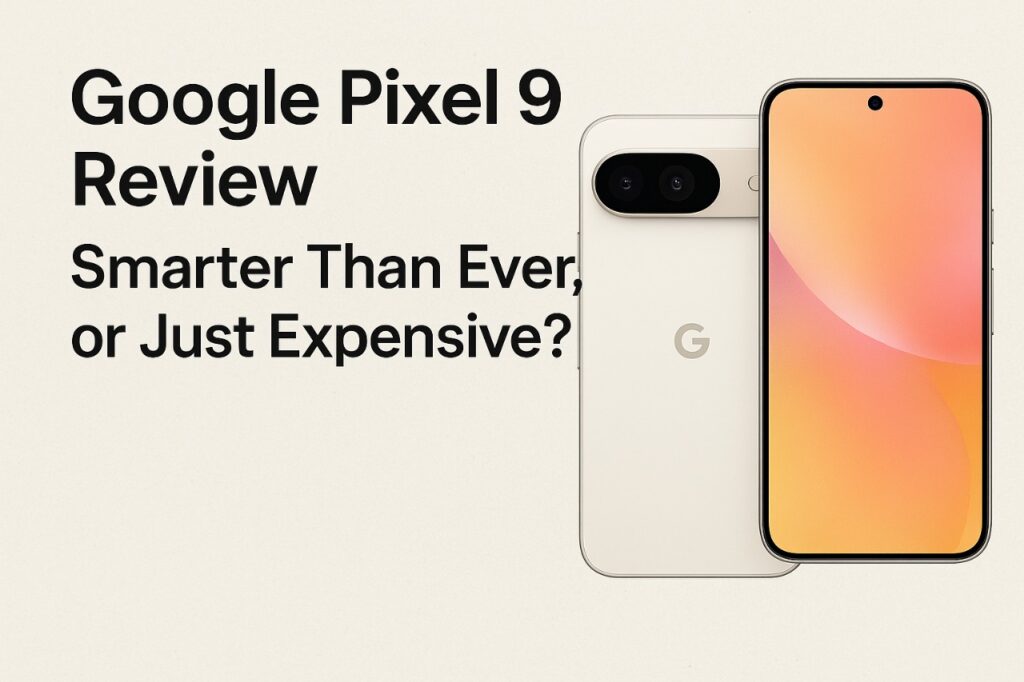
For years, Google’s Pixel series has been the benchmark for timely Android updates, AI-powered features, and clean software experience. The Pixel 9 continues that tradition—but in 2025, with more competition than ever, the question arises: is it genuinely smarter, or just another expensive flagship?
With each Android release, users expect faster performance, improved AI tools, and security updates. Yet, many phones fail to deliver these promises consistently. The Pixel 9 claims to fix these gaps with a combination of stock Android, AI enhancements, and hardware-software integration.
In this review, we’ll examine the Pixel 9 in real-world terms: its design, display, camera, software experience, update reliability, and future-proofing potential. By the end, you’ll know whether it’s worth your investment or if the hype outweighs reality.
🧭 Why This Topic Matters
The Google Pixel 9 isn’t just a phone—it’s a statement about how Android devices can lead in updates, AI tools, and real-world usability. With smartphones central to productivity, creativity, and daily life, understanding how the Pixel 9 performs in software efficiency, longevity, and ecosystem integration is critical. Choosing the wrong device can mean missed updates, security risks, or features that never reach their potential.
📊 Quick Snapshot — Pixel 9 at a Glance
| Feature | Pixel 9 | Notes |
|---|---|---|
| Build | Aluminium + Gorilla Glass | Compact, durable, premium feel |
| Display | 6.4-inch OLED, 120Hz | Vivid colors, high brightness |
| Camera | Dual rear (50MP+12MP), Front 12MP | AI-driven enhancements, Night Sight |
| Battery | 4500 mAh, fast charging | 1-day typical use |
| OS Updates | Stock Android, 5 years | Fastest updates in Android ecosystem |
| Performance | Google Tensor G3 | Smooth multitasking, AI optimizations |
| Price | $799+ | Flagship range, premium cost |
🧠 Expert Insights
- The Pixel 9 builds on Google’s strength in software-first design.
- Stock Android ensures fast, consistent updates unlike many competitors.
- AI-powered camera and voice tools set it apart for productivity and creativity.
- While premium, its price must be justified by software longevity and ecosystem features, not just hardware.
🛠 Design & Build — Minimalist Meets Durable
Google continues its minimalist approach with Pixel 9:
- Materials: Aluminium frame, Gorilla Glass front and back. Premium but lightweight.
- Ergonomics: Rounded edges, comfortable in hand; manageable size at 6.4 inches.
- Durability: Water and dust resistant (IP68), expected lifespan 4–5 years with proper care.
| Brand/Model | Build | Ergonomics | Expected Lifespan |
|---|---|---|---|
| Pixel 9 | Aluminium + Gorilla Glass | Compact, light | 4–5 years |
| Samsung Galaxy S25 | Metal + Glass | Balanced | 5+ years |
| OnePlus 12 | Aluminium | Slightly heavier | 4–5 years |
Pixel 9’s build inspires confidence in long-term software support. Durable design complements timely updates for a smooth experience over several years.
📺 Display & Camera — AI That Matters
Display: 6.4-inch OLED, 120Hz refresh rate. Colors pop, brightness is sufficient even outdoors. Updates frequently include color calibration and adaptive refresh adjustments, keeping the device visually modern.
Camera: Dual-lens rear with 50MP main and 12MP ultrawide. AI enhancements like Magic Eraser, Night Sight, and real-time HDR are software-driven, benefiting directly from fast Android updates.
Audio: Stereo speakers, clear output. Updates can tweak tuning for improved clarity and volume balance.
| Feature | Pixel 9 | Real-World Impact |
|---|---|---|
| Display Optimization | High | Smooth visuals, better outdoor legibility |
| Camera Algorithms | Frequent | AI-driven shots improve over time |
| Audio Tuning | Regular | Clearer stereo output with updates |
Pixel 9 leverages software updates to keep hardware performing like new, a significant advantage over competitors with delayed or inconsistent updates.
⚡ Performance & Stability — Tensor G3 in Action
- Google Tensor G3 handles multitasking, AI tasks, and gaming without noticeable slowdowns.
- Stock Android minimizes bloat, ensuring smooth app launches and stable background behaviour.
- Updates improve AI features and optimize thermal performance, enhancing battery life.
- Users report that long-term responsiveness remains excellent after months of use, unlike devices with heavily customized UIs.
🔋 Battery Life & Efficiency
- 4500 mAh battery, easily lasts a full day under typical usage.
- Updates refine adaptive battery algorithms, reducing drain for frequently used apps.
- Charging: Fast 30W wired, 18W wireless. Minor improvements seen after software updates, especially in power management.
Verdict: Battery life is consistent, with software updates extending real-world usability.
💻 Software & User Experience
- Stock Android UI ensures minimal lag, smooth transitions, and long-term reliability.
- No bloatware or intrusive ads, unlike MIUI or FuntouchOS.
- Update philosophy: Pixel devices receive monthly security updates and up to 5 years of OS upgrades.
- AI features integrated into Google Assistant, camera, and predictive tools enhance productivity.
🌐 Community Feedback — Real User Insights
| Praise | Complaints | Misconceptions | Long-term behaviour | Buyer Patterns |
|---|---|---|---|---|
| Fast updates | Expensive | “Pixel is just a camera phone” | Loyal users keep upgrading every 2–3 yrs | Early adopters, AI enthusiasts |
| AI-powered camera | Battery not largest | “Android updates lag everywhere” | Users value update speed over raw specs | Productivity users follow software maturity |
| Smooth UI | Limited storage options | “Only flagship value” | High retention for Pixel ecosystem | Feature seekers prioritize longevity |
Pixel 9 users consistently value update speed, AI features, and long-term software reliability. Even at a higher price, the device offers peace of mind through consistent updates, a rarity in the Android ecosystem.
🏁 Competitor Snapshot
| Brand | Update Speed | OS Support | UI Stability | Ideal For | Notes |
|---|---|---|---|---|---|
| Google Pixel 9 | Fastest | 5 yrs | Very High | Early adopters, AI enthusiasts | Stock Android, security-first |
| Samsung Galaxy S25 | Fast | 4 yrs | High | All-round users | One UI, long-term support |
| OnePlus 12 | Medium | 3 yrs | Medium-High | Enthusiasts | Smooth UI, occasional bugs |
| Xiaomi 14 Pro | Slow | 3 yrs | Medium | Budget seekers | MIUI rich in features, variable updates |
✅ Pros & Cons
Pros:
- Fastest Android updates in 2025.
- AI-powered camera and productivity tools.
- Clean stock Android ensures smooth performance.
- Durable, ergonomic design with premium feel.
- Reliable long-term software support.
Cons:
- Premium pricing may deter some buyers.
- Battery is good but not class-leading.
- Limited storage variants compared to competitors.
- Lacks some flagship hardware extras (e.g., ultra-zoom camera).
- Updates enhance features but cannot fix all hardware limitations.
🛒 Buyer Guide — Who Should Pick the Pixel 9
- Power users: For fastest updates, AI features, and long-term reliability.
- Students/creators: Smooth camera and predictive AI tools enhance productivity.
- Travellers: Timely security patches provide peace of mind.
- Budget-conscious buyers: May find value limited unless update reliability and software features are priorities.
⚠️ Known Issues & Limitations
- Rare camera processing bugs immediately after major updates.
- Limited storage options may require cloud backup.
- Battery improvements are incremental, not transformative.
🕒 Future-Proofing Score
The Pixel 9 is expected to remain relevant 4–5 years, thanks to:
- Consistent OS updates and security patches.
- Stock Android that adapts well to future apps and AI tools.
- Google ecosystem integration ensures smooth compatibility with new services.
Budget brands or heavily customized UIs cannot match this longevity without trade-offs.
💬 Vibetric Verdict
The Google Pixel 9 is smarter than many of its competitors, thanks to AI features, stock Android, and unmatched update reliability. While the price is premium, the real value lies in long-term software performance, security, and ecosystem integration. For users who prioritize updates, AI enhancements, and smooth daily performance, the Pixel 9 is a clear winner in 2025.
🔗 Stay in the Loop
We help you choose smarter, not louder.
- Follow @vibetric_official on Instagram for weekly breakdowns, real-user insights, and software deep-dives.
- Bookmark Vibetric.com for for expert reviews, trend analysis, and buyer guides.
No fluff. No bias. Just honest performance — the Vibetric way.
❓ FAQs
- How fast are Pixel 9 updates?
Monthly security updates and yearly OS upgrades, fastest in Android ecosystem. - Does the Pixel 9 battery last a full day?
Yes, 4500 mAh handles typical daily use; adaptive software improves efficiency. - How’s the AI camera?
Frequent software enhancements improve low-light, portrait, and editing tools. - Is stock Android really better?
Yes, faster updates, minimal bloat, and long-term stability. - How long will the Pixel 9 remain relevant?
About 4–5 years with consistent software support. - Can software updates improve performance?
Yes, updates enhance AI features, UI responsiveness, and thermal efficiency. - Is it worth the premium price?
If update reliability, AI features, and ecosystem integration matter, yes. - What about storage options?
Limited variants; consider cloud storage if needed. - Who should avoid the Pixel 9?
Budget-focused buyers who prioritize raw hardware over software longevity. - Are there better alternatives for mid-range users?
Samsung S25 or OnePlus 12 may provide similar performance at lower cost but with shorter update support.
💬 What’s your take on this?
The comment section at Vibetric isn’t just for reactions — it’s where creators, thinkers, and curious minds exchange ideas that shape how we see tech’s future.

Hardware Innovation Slowdown in 2026: The Surprising Rise of Software Acceleration
Hardware Innovation Slowdown in 2026: The Surprising Rise of Software Acceleration For over a decade, consumer technology moved in visible leaps. Processors
AI Battery Optimization Is Finally Making Earbud Battery Life Reliable in 2026
AI Battery Optimization Is Revolutionizing Earbud Battery Life in 2026 The spec sheet still says ‘30 hours.’ What it doesn’t say is