
Gaming vs Studio Headphones — The Ultimate Pros and Cons Explained
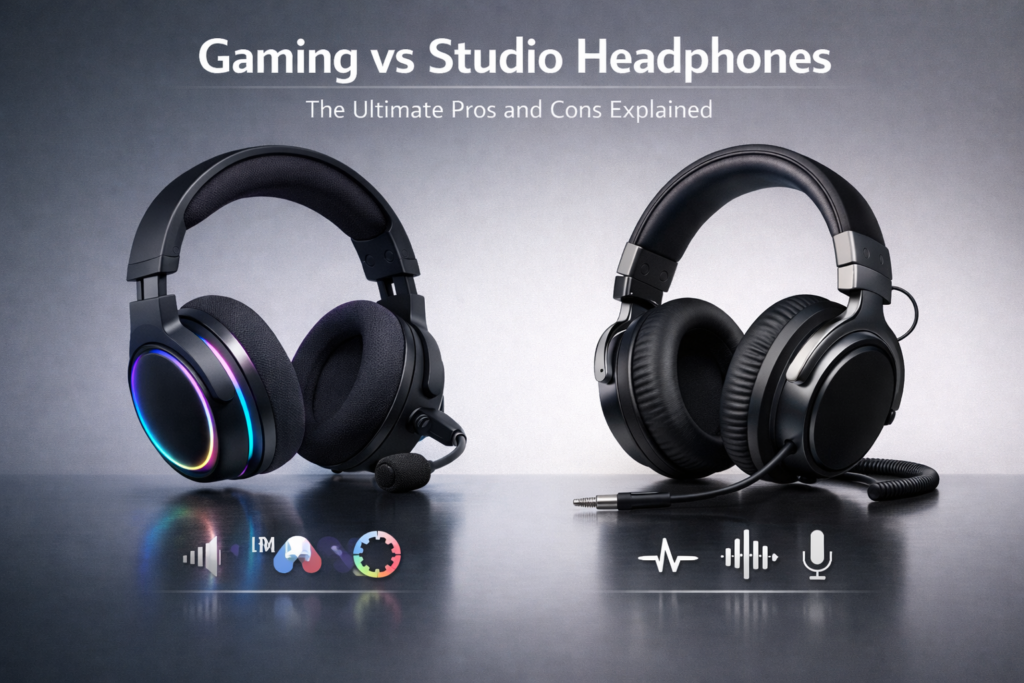
Headphones are no longer just about listening; they’re about context. A pair designed for gaming prioritizes immersion, positional cues, and long-session comfort. Studio headphones, on the other hand, are engineered for accuracy, neutrality, and sound fidelity. The distinction might seem obvious, but in 2025, technological advances have blurred the lines enough that consumers often ask: which type truly fits their needs?
Build and Comfort: Form Meets Function
Gaming headphones are built for hours-long play sessions. They typically feature padded headbands, oversized earcups, and lightweight frames to reduce fatigue. RGB lighting, modular cables, and adjustable clamping pressure are standard features that cater to both comfort and style.
Studio headphones prioritize durability and ergonomic neutrality. Metal frames, memory foam earcups, and stable clamping ensure consistent fit over extended monitoring sessions. They avoid flashy aesthetics to focus on function. While gaming models emphasize wearability and flair, studio headphones are designed for predictable, fatigue-free long-term use — a critical factor for audio engineers.
Audio Fidelity: Immersion vs Accuracy
The core difference lies in how sound is tuned. Gaming headphones exaggerate lows and highs to enhance explosions, gunfire, and cinematic effects. Virtual surround or spatial sound technologies are often implemented to improve positional awareness, giving players an advantage in competitive environments.
Studio headphones are tuned for neutrality. Their frequency response is flat, allowing producers, engineers, and musicians to hear tracks as they truly are. This ensures that mixes translate accurately across speakers, car systems, or streaming platforms. The “fun” sound profile of gaming headphones would be considered colored and potentially misleading in a studio setting.
Features and Connectivity
Gaming headphones often include active noise cancellation, RGB customization, detachable boom microphones, and wireless connectivity. Studio headphones focus on high-quality wired connections, balanced cables, and low-latency performance.
Some modern hybrids attempt to merge these approaches: wireless connectivity with flat frequency response, built-in DACs, or customizable EQ. While these compromise slightly on the extremes, they offer flexibility for users who want both immersive gaming and accurate audio monitoring.
Mini Comparison Snapshot: Gaming vs Studio Headphones (2025)
| Category | Gaming Headphones | Studio Headphones |
|---|---|---|
| Sound Profile | Exaggerated lows and highs, spatial sound | Neutral, flat, accurate |
| Build & Comfort | Oversized padding, lightweight, ergonomic | Durable, neutral fit, stable clamping |
| Features | RGB, wireless, detachable mic, surround | Balanced cables, low-latency, minimal extras |
| Ideal Use | Gaming, media consumption | Music production, mixing, mastering |
| Listening Experience | Immersive, dramatic | Precise, analytical |
| Airplane travel | In-ear | Maximum isolation |
| Mixed casual use | Depends on environment | Both formats have advantages |
Use-Case Lens: Matching Headphones to Needs
- Gamers: Prioritize immersive audio cues, comfort, and durability. Virtual surround and exaggerated sound profiles enhance gameplay enjoyment.
- Audio Professionals: Require neutral sound and accurate monitoring to produce mixes that translate consistently across platforms.
- Casual Users & Streamers: Hybrid models may satisfy both needs, balancing enjoyable sound with neutral accuracy for content creation.
Engineering Perspective: Why Profiles Differ
The difference is not arbitrary — it’s grounded in human perception and hardware design. Gaming headphones exploit psychoacoustic principles: emphasizing frequencies that the ear detects more readily to simulate presence or directionality. Studio headphones aim for linearity, avoiding psychoacoustic manipulation, so engineers hear exactly what’s being produced. Both approaches optimize for the intended use-case, but mixing them without understanding the goal can lead to disappointment.
Closing Insight
Gaming and studio headphones are distinct tools shaped by purpose. In 2025, the technology gap has narrowed, with hybrids offering compelling versatility. Still, the best choice depends on intent: immersive, engaging sound versus precise, faithful reproduction. Understanding these differences ensures users select headphones that truly align with their needs rather than just following trends or aesthetics.
Navigate Your Audio Choice with Confidence
- Follow our Instagram @vibetric_official for in-depth headset and headphone analyses.
- Bookmark vibetric.com to track new releases, performance reviews, and practical comparisons.
- Explore feature guides and use-case breakdowns to select the right headphones for gaming, studio work, or hybrid use.
What’s your take on this?
At Vibetric, the comments go way beyond quick reactions — they’re where creators, innovators, and curious minds spark conversations that push tech’s future forward.
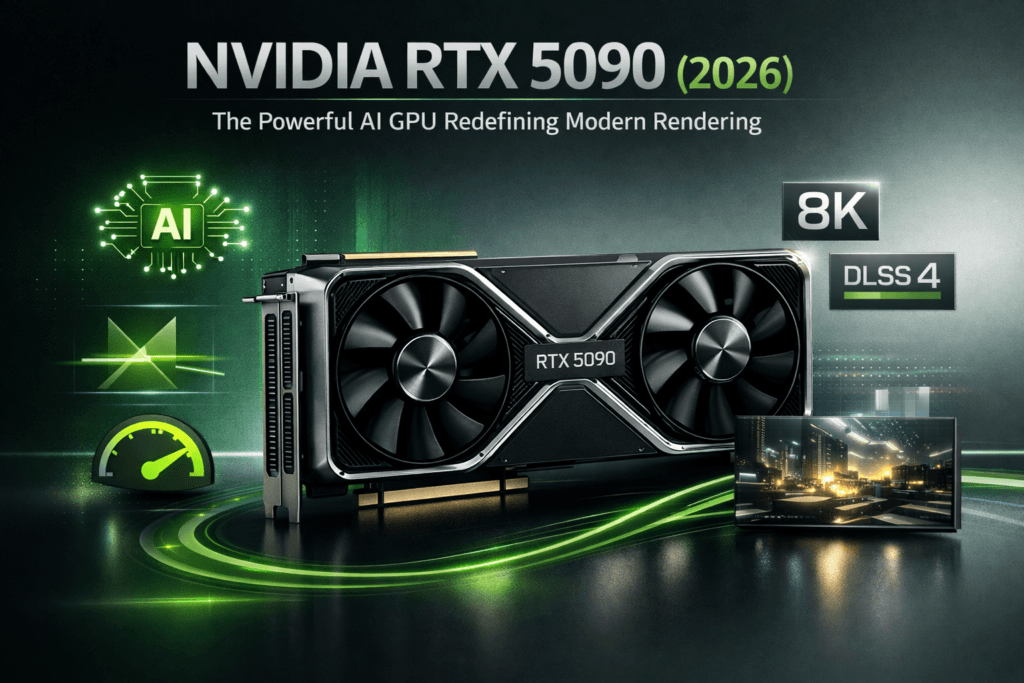
NVIDIA RTX 5090 (2026): The Powerful AI GPU Redefining Modern Rendering
NVIDIA RTX 5090 (2026): The Powerful AI GPU Redefining Modern Rendering Gaming used to be about frames per second. Now it’s about
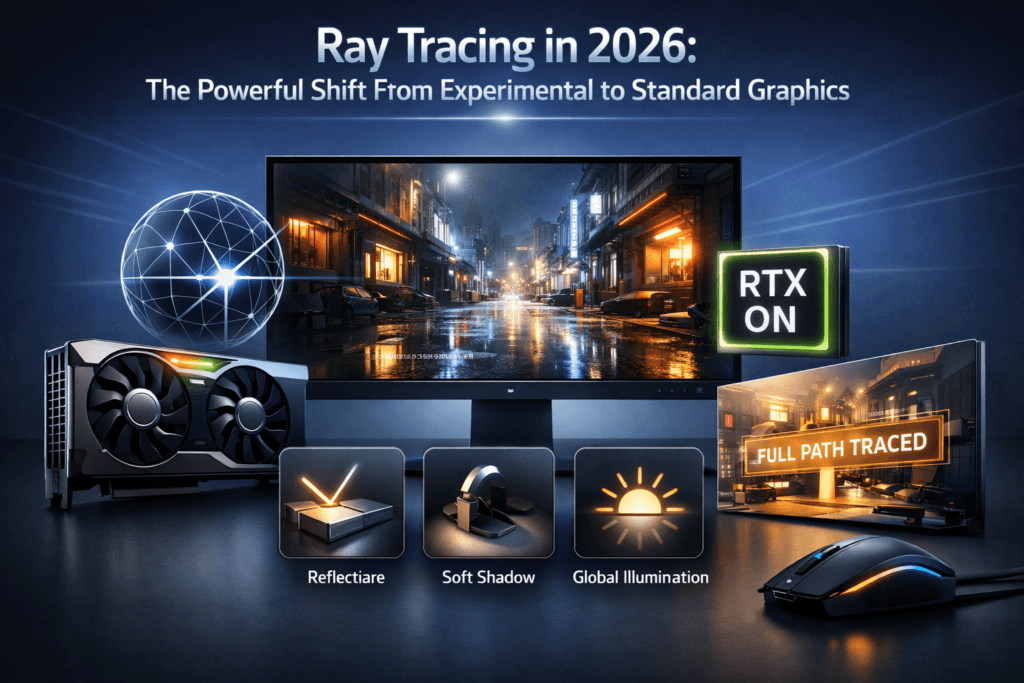
Ray Tracing in 2026: The Powerful Shift From Experimental to Standard Graphics
Ray Tracing in 2026: The Powerful Shift From Experimental to Standard Graphics The technology spent years as a benchmark showcase. Now it’s