
Gaming Gear Industrial Design: The Problem With RGB-First Design
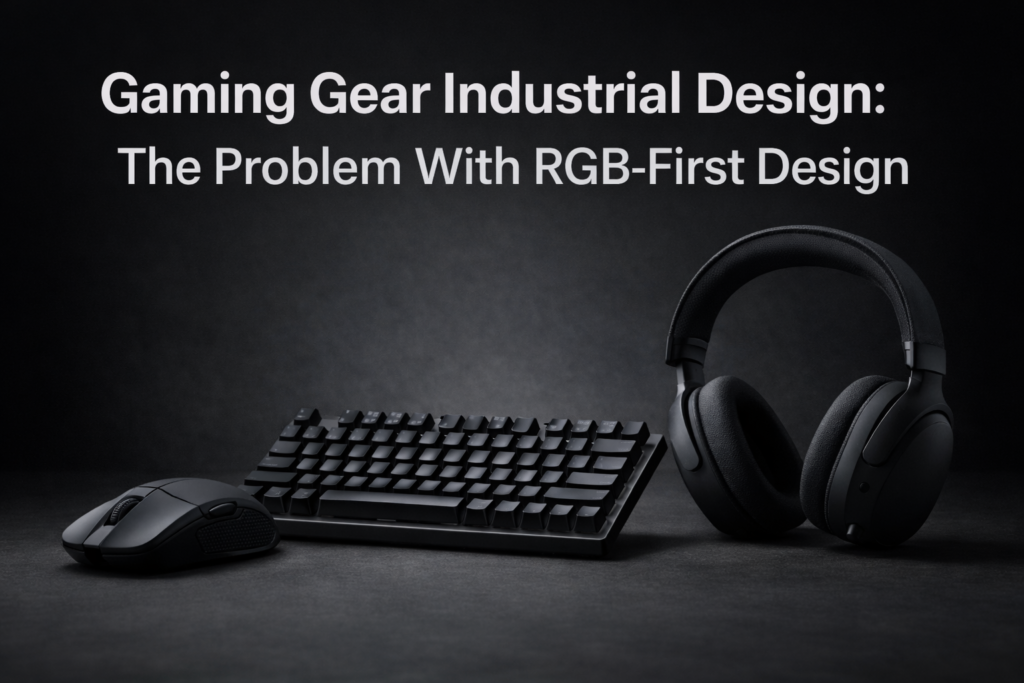
For a long time, gaming gear tried to be loud. RGB lighting, aggressive shapes, exaggerated textures—all designed to signal performance before a button was ever pressed. That era is quietly fading. Today, the most meaningful differences between peripherals aren’t flashing or obvious. They’re structural, tactile, and understated. Gaming gear industrial design has become the silent language through which brands now compete.
What changed isn’t taste alone. It’s maturity—of users, of performance ceilings, and of the market itself.
When Performance Stopped Explaining the Upgrade
Sensors track flawlessly. Wireless latency sits below perception. Switches respond faster than human reaction time. As performance gains flattened, the traditional reasons to upgrade weakened.
This created a problem for manufacturers. If everything performs “well enough,” how do products differentiate without resorting to gimmicks?
Industrial design filled the gap. Shape, balance, materials, and ergonomics began doing what raw specs no longer could—creating a felt difference rather than a measured one.
Gaming gear industrial design stepped in precisely because performance stopped being the story.
Design as an Interface, Not an Aesthetic
The most advanced gaming equipment today treats design as a physical interface between human and system. Weight distribution affects fatigue. Surface texture influences grip consistency. Button placement changes muscle memory.
None of these are decorative decisions. They’re behavioral ones.
A mouse that disappears in the hand during long sessions is outperforming a flashier alternative, even if both share identical internals. A keyboard with subtle angle refinement reduces wrist strain more effectively than any lighting preset.
Industrial design works quietly, but it compounds over hours—where real gaming happens.
Why Subtlety Signals Confidence
There’s an inverse relationship emerging between visual aggression and design maturity. Products that rely heavily on spectacle often do so because they lack deeper differentiation.
Minimalist gaming gear isn’t trying to impress instantly. It assumes the user will notice quality over time. This is a philosophical shift: from “look at me” to “use me.”
Gaming gear industrial design has begun to mirror professional tools rather than toys. That alignment isn’t accidental—it reflects a user base that values consistency over theatrics.
A Snapshot of Design-Led Differentiation
| Design Focus | What It Improves |
|---|---|
| Weight balance | Long-session control |
| Material choice | Grip stability, durability |
| Shape geometry | Reduced strain, precision |
| Assembly tolerances | Consistent feel over time |
this snapshot reframes design as performance support, not visual identity.
The Cultural Shift Behind Cleaner Design
Gaming culture itself has changed. More players treat gaming as a long-term skill practice rather than a novelty. Streaming, competitive ladders, and hybrid work-play setups blurred the line between gaming desks and workspaces.
Gear had to adapt. Flashy designs that felt exciting in short bursts became distracting or fatiguing in everyday environments. Industrial design responded by becoming calmer, more neutral, and more adaptable.
This isn’t gaming gear becoming boring. It’s gaming gear becoming livable.
Industrial Design as Brand Philosophy
As specs converged, design language became one of the few remaining ways to express brand values. Some brands emphasize modularity. Others focus on lightweight minimalism. Some prioritize durability and repairability.
These choices communicate intent. They tell users how the product is meant to be used, not just how it performs on paper.
Gaming gear industrial design now functions as strategy, not styling. It guides who the product is for—and who it isn’t.
The Contrarian Truth: RGB Didn’t Fail—It Just Lost Exclusivity
RGB still exists because it works. It personalizes setups and adds identity. But once everyone adopted it, it stopped being a differentiator.
Design that matters today is harder to copy. Tooling precision, material feel, ergonomic research, and long-term durability don’t translate well into quick trends. They require investment and restraint.
That’s why industrial design replaced visual effects at the top of the value hierarchy.
Why Design Is Harder to Judge—but Harder to Leave
Specs can be compared in minutes. Design reveals itself slowly. It takes weeks to notice reduced fatigue, months to appreciate wear resistance, and years to understand durability.
This delayed payoff builds loyalty. Once users experience gear that fits seamlessly into their habits, switching becomes difficult—even if alternatives offer similar specs.
Gaming gear industrial design creates stickiness not through features, but through comfort and trust.
Where Gaming Equipment Is Actually Heading
The future of gaming gear won’t look radically different at a glance. That’s the point. Innovation is moving inward—into tolerances, materials, ergonomics, and long-term usability.
Products will feel better before they look different. And for a market that’s grown up, that’s the right order.
Beyond RGB, industrial design isn’t silent because it’s weak. It’s silent because it doesn’t need to shout anymore.
Stay Sharp with Vibetric
- Follow our Instagram @vibetric_official for deeper insights into gaming design evolution.
- Bookmark vibetric.com to track how performance culture is maturing.
- Stay connected as subtle design choices shape the future of gaming gear.
What’s your take on this?
At Vibetric, the comments go way beyond quick reactions — they’re where creators, innovators, and curious minds spark conversations that push tech’s future forward.
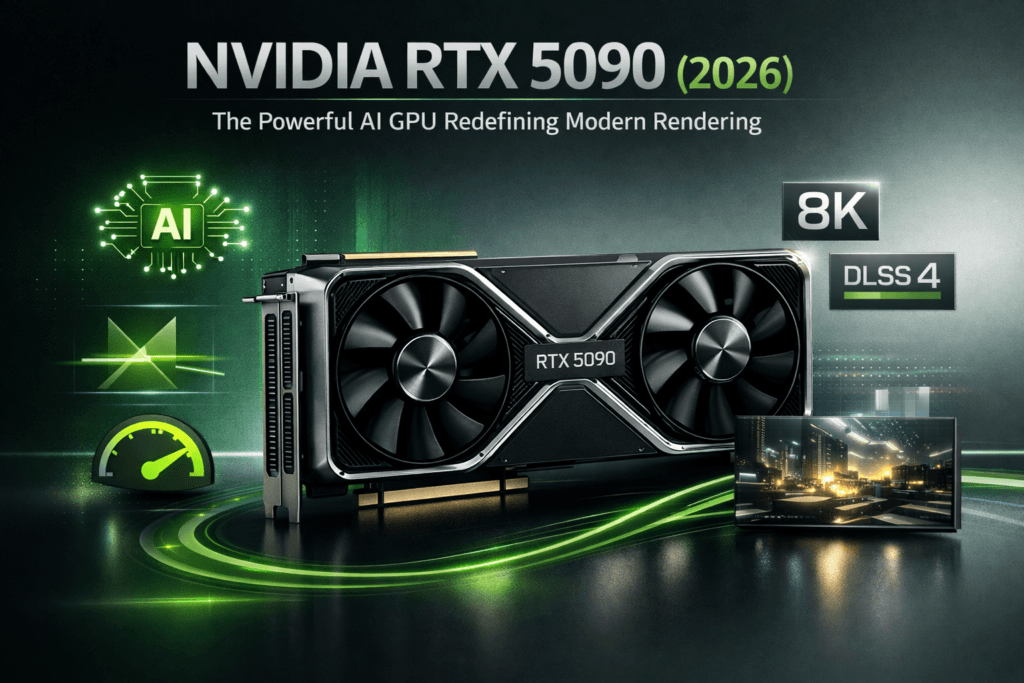
NVIDIA RTX 5090 (2026): The Powerful AI GPU Redefining Modern Rendering
NVIDIA RTX 5090 (2026): The Powerful AI GPU Redefining Modern Rendering Gaming used to be about frames per second. Now it’s about
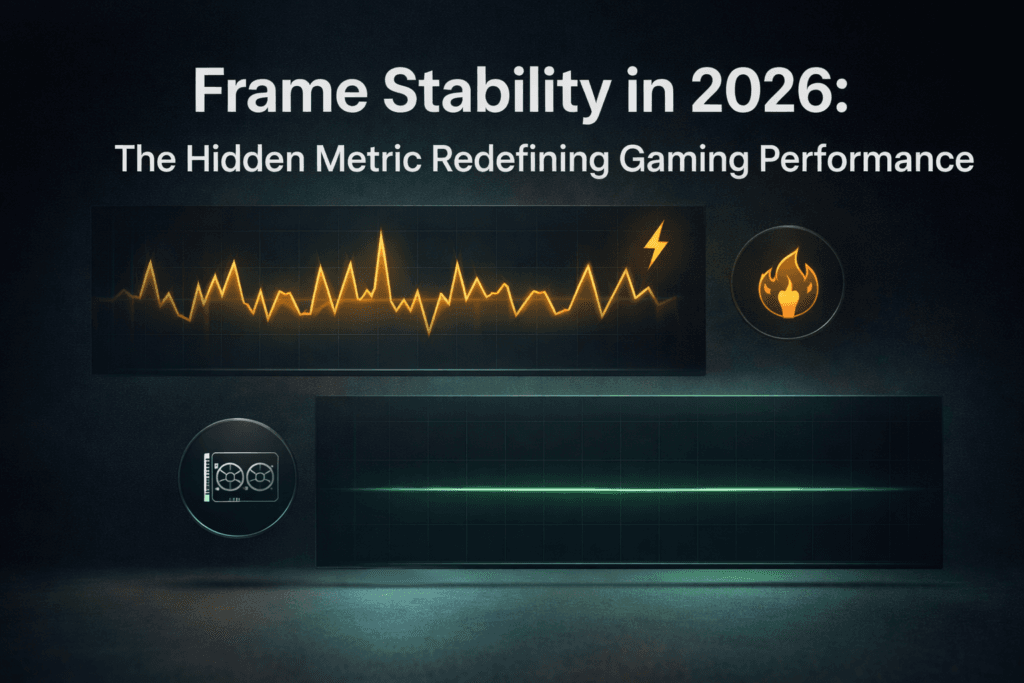
Frame Stability in 2026: The Hidden Metric Redefining Gaming Performance
Frame Stability in 2026: The Hidden Metric Redefining Gaming Performance For years, gaming conversations revolved around one number: frames per second. Higher