
Why Frame Rates Don’t Always Equal Better Gameplay
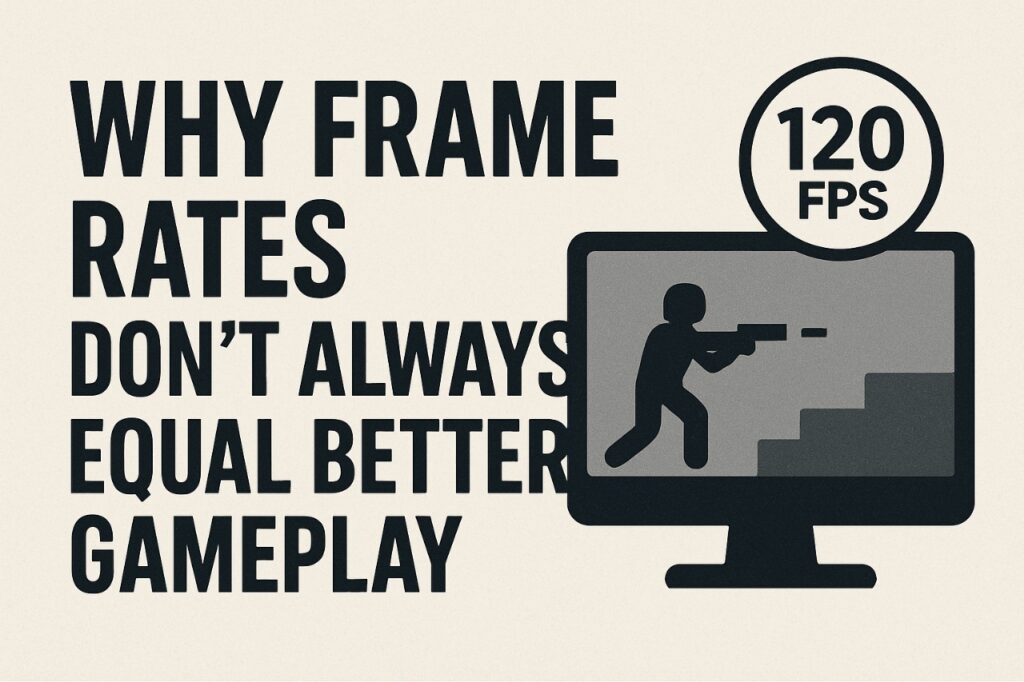
For years, gamers were taught a simple mantra: higher FPS equals better gaming. In 2025, that belief is quietly cracking. Even as GPUs and displays become faster, players are realizing that frame rates in gaming don’t tell the full story.
What really shapes gameplay isn’t just how many frames your system pushes per second — it’s how the game feels, reacts, and responds. A smooth-looking screen doesn’t automatically translate into responsive movement or accurate aiming. This short read explains why frame rates matter less than people assume and how hidden systems now define the gaming experience.
⚙️ Core Insight (Depth + Clarity)
The obsession with high FPS is partly marketing and partly misunderstanding. Frame rates in gaming improve visual fluidity, but they cannot fix latency, inconsistent frame pacing, or poorly optimized engines.
Modern games rely on multiple interconnected systems: server tick rates, physics engines, AI calculations, and animation loops. Even 120FPS won’t feel smooth if these layers aren’t synchronized. Casual players rarely notice these systems directly, but they feel the impact: stuttering, input lag, ghosting, or “floaty” movement.
The simple truth: frame rates in gaming are one piece of a larger puzzle. True gameplay quality emerges when graphics, mechanics, and system responsiveness all work in harmony.
📊Bite-Sized Data Table
| Gaming Factor (2025) | High FPS Helps? | Real Impact on Gameplay |
|---|---|---|
| Frame Pacing | Partially | Smoothness + timing |
| Input Latency | Minimally | Direct control response |
| Server Tick Rate | No | Accuracy in online multiplayer |
| Game Engine Optimization | Rarely | Stability + consistent feel |
| Motion Blur / Ghosting | No | Visual clarity |
| Thermal Throttling | Indirect | Sustained performance |
🔍 Micro Analysis
A: The Real-World Impact
Frame rates in gaming matter visually, but their influence on responsiveness is limited:
- Turning or aiming in high-FPS games can feel sharper.
- Smooth motion improves immersion, but input delays may still occur.
- Thermal throttling can reduce frame output mid-game, causing stutter.
- Online games may suffer hit registration issues despite high FPS.
- Animations may feel inconsistent if the engine cannot sync with display refresh rates.
The result: a high FPS number can feel impressive but may not enhance actual gameplay quality for most players.
B: The Hidden Truth
Game publishers and hardware makers love showcasing FPS numbers because they’re easy to measure. The reality behind the scenes is more complex:
- Engineering to reduce input latency or stabilize frame pacing is costly.
- Server-side limitations often cap real responsiveness regardless of FPS.
- Games run internal systems like physics and animation at lower update rates than your monitor refresh.
- Marketing emphasizes visible FPS because it’s tangible to the consumer, while real improvements in gameplay feel are invisible.
Players chasing FPS alone often miss the subtler, more impactful factors shaping their experience.
🌍 Culture Angle
Gaming culture has shifted toward numbers: FPS counters, benchmark charts, and marketing claims dominate conversation. Yet, the most memorable games are those that feel “right,” even at lower frame rates.
Indie platformers, narrative-driven titles, and tactical shooters focus on consistency over sheer speed. Players now value smooth interactions, stable servers, responsive controls, and sustained performance over maxing out FPS numbers. The modern gamer’s identity is moving from chasing frames to chasing feel.
🧠 Quick Vibetric Takeaway
- High FPS improves visuals, not necessarily gameplay responsiveness.
- Frame pacing and input latency often matter more than raw frame output.
- Many games run internal systems slower than your display refresh.
- Thermal throttling can degrade gameplay even at high FPS.
- Game engine optimization determines real responsiveness.
- Modern gamers prioritize stability, immersion, and consistency.
- FPS is measurable; gameplay quality is experienced.
💬 Vibetric Verdict
Vibetric Verdict: Frame rates in gaming are no longer the hero — they’re part of a larger orchestra.
Gameplay becomes engaging when timing, responsiveness, and stability work in harmony.
Chasing higher FPS feels impressive on paper, but balance and feel are what truly matter.
In 2025, great gaming isn’t about more frames — it’s about better moments.
🔗 Stay in the Loop
We don’t sell hype — we explain it.
- Follow @vibetric_official for grounded gaming insights, hardware testing, and trend analysis.
- Bookmark vibetric.com to stay ahead of the tech curve.
- No hype. No bias. Just facts — the Vibetric way.
💬 What’s your take on this?
The comment section at Vibetric isn’t just for reactions — it’s where creators, thinkers, and curious minds exchange ideas that shape how we see tech’s future.
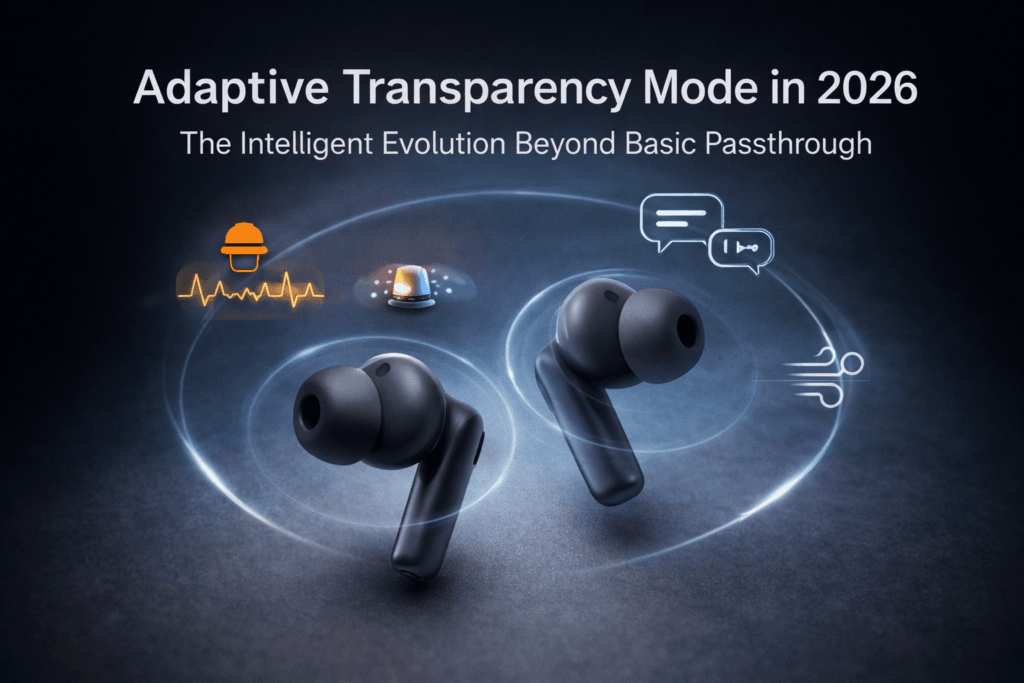
Adaptive Transparency Mode in 2026: The Intelligent Evolution Beyond Basic Passthrough
Adaptive Transparency Mode in 2026: The Intelligent Evolution Beyond Basic Passthrough Noise cancellation used to be the headline feature. Transparency was the
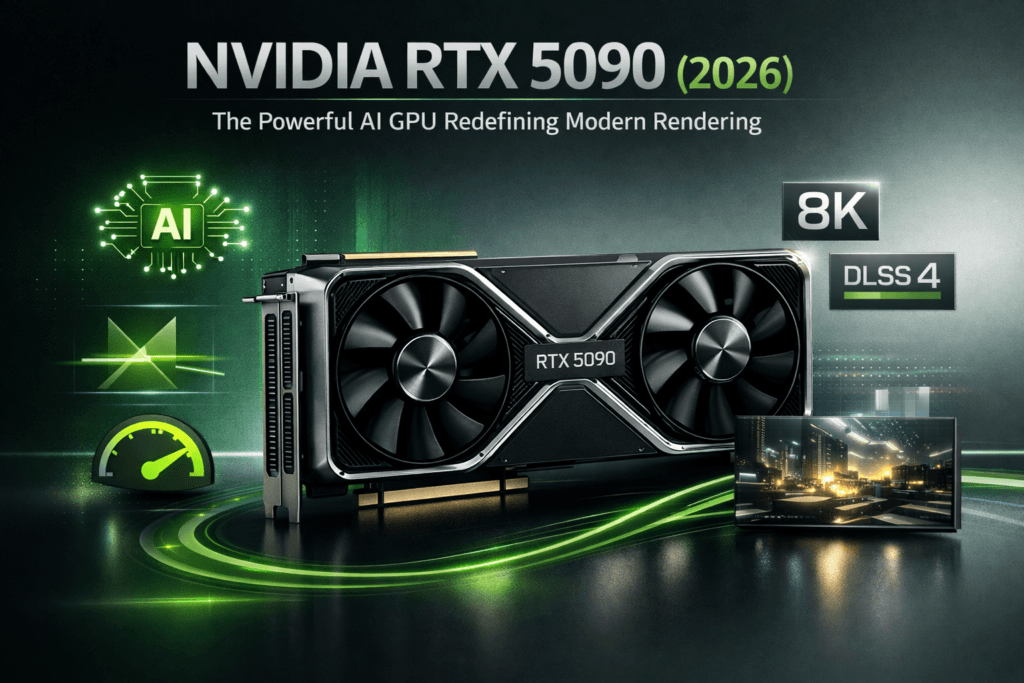
NVIDIA RTX 5090 (2026): The Powerful AI GPU Redefining Modern Rendering
NVIDIA RTX 5090 (2026): The Powerful AI GPU Redefining Modern Rendering Gaming used to be about frames per second. Now it’s about