
Is Cloud Gaming Finally Playable Worldwide?
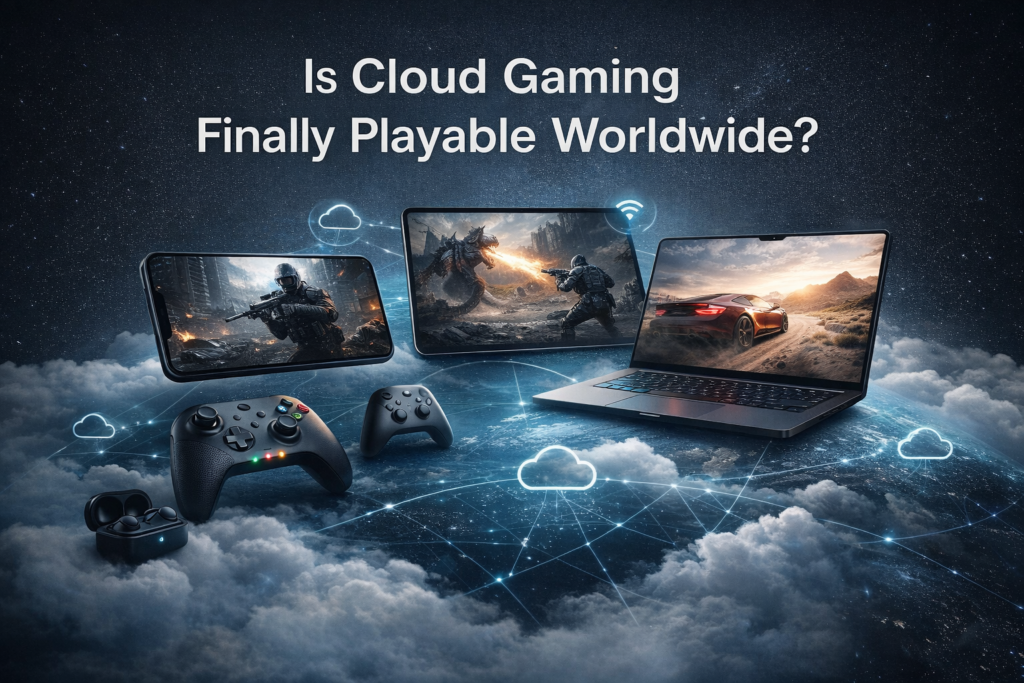
Cloud gaming has long promised a future where high-end experiences are accessible on any device, from smartphones to budget laptops. In 2025, this vision is approaching reality, yet adoption and performance remain uneven. While improvements in global connectivity and cloud infrastructure have reduced barriers, the question is no longer “if” cloud gaming works, but “where” and “for whom” it truly delivers a seamless experience.
Infrastructure and Connectivity: The Backbone of Play
The most critical factor for cloud gaming remains bandwidth and latency. In regions with fiber-optic networks, widespread 5G coverage, or low-latency home internet, streaming AAA titles at 60–120 fps is increasingly feasible. Countries like South Korea, Japan, and parts of Western Europe now provide nearly console-level experiences on mobile devices.
Conversely, areas with slower or unstable networks — parts of South America, Africa, and Southeast Asia — still face lag, screen tearing, and frequent disconnections. Cloud platforms have adapted through dynamic resolution scaling, predictive input algorithms, and server-side compression, reducing lag and visual artifacts. These optimizations make cloud gaming playable even in moderately connected regions, but full high-fidelity experiences remain tied to infrastructure quality.
Consumer Behavior: Shaping Expectations
Cloud gaming has transformed how people consume games. Players no longer need to invest in expensive hardware or wait for lengthy downloads. Subscription services like Xbox Cloud Gaming, NVIDIA GeForce Now, and PlayStation Plus allow on-demand access to hundreds of titles.
This shift has led to new user behaviors: casual gamers prioritize convenience and accessibility, streaming directly to phones or smart TVs. Mobile-first gamers increasingly use cloud services as their primary platform. Even traditional console players supplement their library with cloud access, exploring titles they would not otherwise buy or install.
Industry Insight: Platform Expansion and Competition
By 2025, major cloud gaming platforms have expanded server coverage across multiple continents. Localized data centers reduce latency, while hybrid streaming options optimize performance for devices with lower specs. Cloud gaming has also driven competition among providers, leading to better compression, AI-driven predictive streaming, and improved controller integration.
Yet challenges remain: licensing restrictions vary regionally, device compatibility differs, and server presence is still concentrated in developed markets. Adoption is highest where infrastructure and platform support intersect, highlighting that while cloud gaming is technically global, performance and availability remain uneven.
Mini Snapshot: Cloud Gaming Performance Factors (2025)
| Factor | Impact on Playability |
|---|---|
| Bandwidth | High speeds reduce compression artifacts and stuttering |
| Latency | Low ping ensures responsive input for fast-paced games |
| Device | Performance scales from phones to low-end PCs and smart TVs |
| Server Location | Proximity minimizes delay and maximizes visual fidelity |
| Platform Optimization | Software compression, predictive input, and streaming algorithms enhance experience |
This snapshot highlights the tangible experience differences that justify higher price points for many users.
Use-Case Lens: Who Benefits Most
- Casual Gamers: Perfect for quick sessions on mobile or TV without expensive hardware. Cloud gaming removes entry barriers while offering access to high-end titles.
- Competitive Players: High-performance gaming still favors local rigs for low latency and precise input. Cloud services provide supplementary practice or convenience, not competitive parity.
- Mobile-First and Traveling Users: Cloud gaming enables gaming on-the-go, with near-console experiences on smartphones or lightweight laptops.
Understanding user context is critical — cloud gaming excels in flexibility and accessibility, but it is not yet a replacement for local high-end setups.
Contrarian Angle: Why Local Gaming Isn’t Dead
Despite widespread progress, cloud gaming cannot fully replace traditional hardware for every scenario. Fast-paced esports, VR titles, and high-frame-rate competitive games still demand minimal latency. Moreover, offline availability, mod support, and platform independence remain exclusive advantages of local gaming. Cloud gaming enhances the ecosystem but does not render traditional rigs obsolete — it complements them.
Closing Insight
Cloud gaming in 2025 is no longer experimental; it is a practical reality for casual and mid-tier players worldwide. Infrastructure upgrades, adaptive streaming technologies, and global platform expansions have made on-demand gameplay accessible and increasingly reliable. Performance varies with location, network stability, and device, highlighting that cloud gaming is a solution for accessibility and convenience rather than a universal replacement. For players willing to adapt to network limitations, it offers a transformative way to experience gaming on nearly any device.
Level Up Your Cloud Gaming Knowledge
- Follow our Instagram @vibetric_official for insights into cloud gaming performance, platform comparisons, and global trends.
- Bookmark vibetric.com to track new releases, infrastructure updates, and practical guides for optimizing cloud gaming experiences.
- Stay informed about emerging technologies that make gaming more accessible, immersive, and flexible worldwide.
What’s your take on this?
At Vibetric, the comments go way beyond quick reactions — they’re where creators, innovators, and curious minds spark conversations that push tech’s future forward.
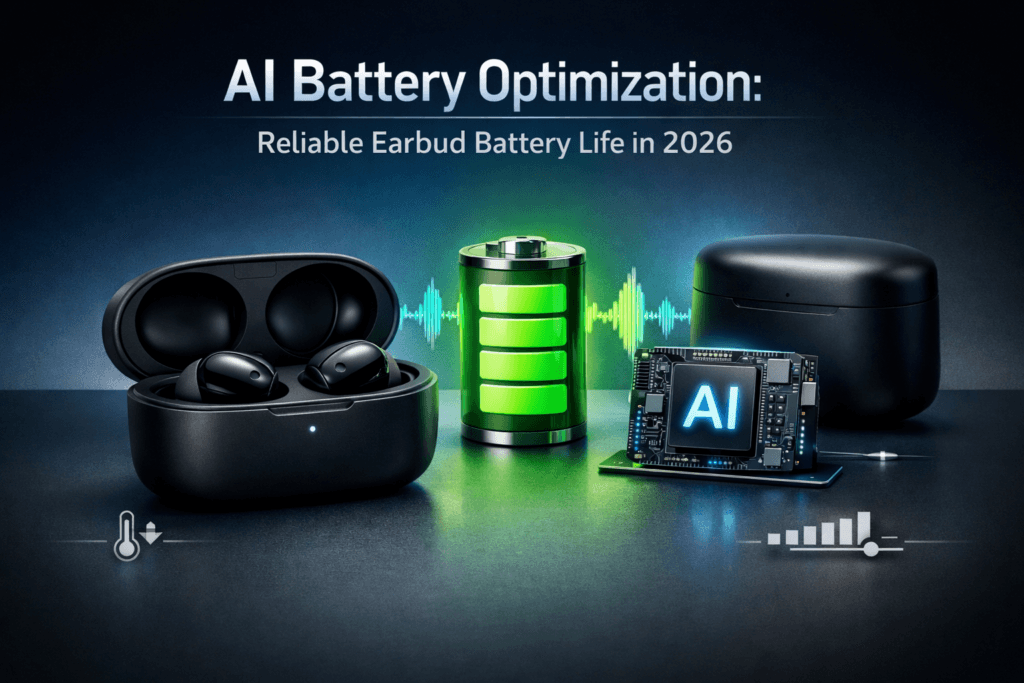
AI Battery Optimization Is Finally Making Earbud Battery Life Reliable in 2026
AI Battery Optimization Is Revolutionizing Earbud Battery Life in 2026 The spec sheet still says ‘30 hours.’ What it doesn’t say is
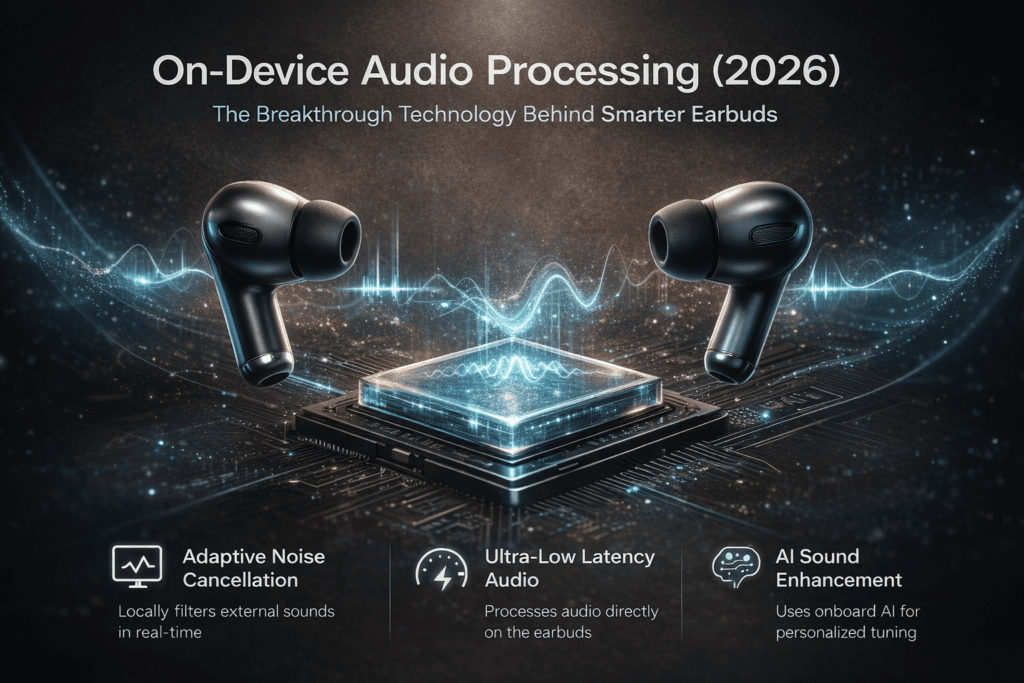
On-Device Audio Processing (2026): The Breakthrough Technology Behind Smarter Earbuds
On-Device Audio Processing (2026): The Breakthrough Technology Behind Smarter Earbuds A commuter taps play on the subway. The train roars into the