
Do Budget Headsets Compete With Premium Ones?
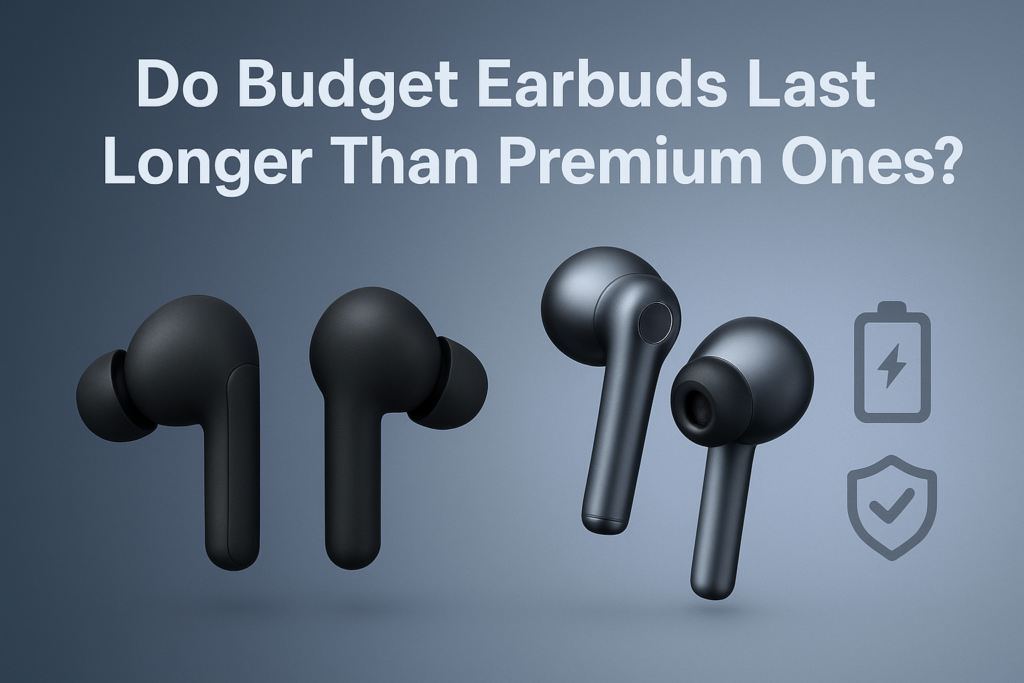
The headset market has long been divided into clear tiers: budget, mid-range, and premium. Yet in 2025, that hierarchy feels far less rigid than it once did. Advances in driver manufacturing, software tuning, and materials have narrowed the gap, forcing buyers to rethink old assumptions. The real question today isn’t whether affordable headsets are usable, but whether budget vs premium headsets still deliver dramatically different real-world experiences for most users.
Build and Comfort: Where Money Still Matters
When comparing budget vs premium headsets, build quality remains one of the most visible differentiators. Premium headsets typically rely on reinforced frames, higher-grade plastics or metal components, and dense memory foam padding engineered for long gaming or work sessions. These choices improve durability and reduce fatigue over time.
Budget headsets, however, have improved significantly. Adjustable earcups, padded headbands, and lightweight designs are now common. While long-term durability still favors premium models, the comfort gap has narrowed enough that for sessions under a few hours, the difference between budget vs premium headsets is far less noticeable than it used to be.
Audio Performance: How Close Is “Good Enough”?
Audio quality has traditionally been the sharpest dividing line in the budget vs premium headsets discussion. Premium models benefit from better driver consistency, refined tuning, and superior spatial accuracy, which matter most for competitive gaming and detailed listening.
In 2025, budget headsets have closed much of that distance. Improved driver sourcing, basic DSP tuning, and virtual surround sound now deliver clear, immersive audio for everyday use. While premium headsets still win in positional precision and micro-detail, many users won’t perceive a meaningful gap during casual gaming, streaming, or voice calls.
Features and Connectivity: Premium Still Leads, But Narrowly
Feature sets continue to separate budget vs premium headsets, though the margin has shrunk. Premium models offer low-latency wireless, deeper software control, adaptive EQ, and higher-quality microphones designed for streaming and competitive play.
Budget headsets increasingly cover core needs. Reliable wired performance, entry-level wireless options, basic EQ controls, and acceptable microphone quality are now standard. Ecosystem polish remains stronger on premium devices, but for many users, budget options already meet daily expectations.
Mini Comparison Snapshot: Budget vs Premium Headsets (2025)
| Category | Budget Headsets | Premium Headsets |
|---|---|---|
| Build Quality | Lightweight materials, basic padding | Reinforced frames, memory foam |
| Audio Fidelity | Clear, immersive for casual use | High-detail, precise imaging |
| Features | Basic EQ, stereo or virtual surround | Advanced EQ, software integration |
| Connectivity | Wired or entry-level wireless | Multi-platform, low-latency wireless |
| Ideal Use | Casual gaming, media, work | Competitive gaming, long sessions |
Use-Case Lens: Who Wins the Value Battle?
- Casual Users: For movies, music, remote work, and light gaming, budget vs premium headsets rarely show differences large enough to justify higher prices.
- Competitive Gamers & Audiophiles: Premium headsets still offer advantages in spatial accuracy, microphone clarity, and sustained comfort.
- Hybrid Users: Mid-range models often strike the most practical balance, blending premium features with reasonable pricing.
The better choice depends less on cost and more on how critical precision and comfort are to your routine.
The Hidden Advantage of Budget Headsets
Beyond affordability, budget headsets lower the barrier to experimentation. Users can explore surround sound, EQ tuning, and microphone performance without committing to a high-end purchase. This shift has reshaped how people evaluate budget vs premium headsets, moving the focus away from brand prestige and toward actual usability.
As technology continues to trickle down, many budget models now deliver experiences that would have qualified as premium just a few years ago.
Closing Insight
In 2025, the divide between budget vs premium headsets is no longer about basic competence. Premium models still lead in refinement, durability, and advanced features, but budget headsets have matured into genuinely capable alternatives. Choosing wisely now means understanding how you listen and play, not simply paying more by default. For many users, budget headsets deliver exactly what’s needed — without unnecessary expense.
Find the Right Headset for Your Setup
- Follow our Instagram @vibetric_official for real-world headset comparisons.
- Bookmark vibetric.com for insights across budget, mid-range, and premium audio gear.
- Explore detailed guides to match your headset choice with your gaming and lifestyle needs.
What’s your take on this?
At Vibetric, the comments go way beyond quick reactions — they’re where creators, innovators, and curious minds spark conversations that push tech’s future forward.
Fanless Laptops 2026 — The Powerful Rise of Silent Performance
Fanless Laptops 2026 — The Powerful Rise of Silent Performance For decades, laptop performance and cooling were inseparable. Faster processors generated more
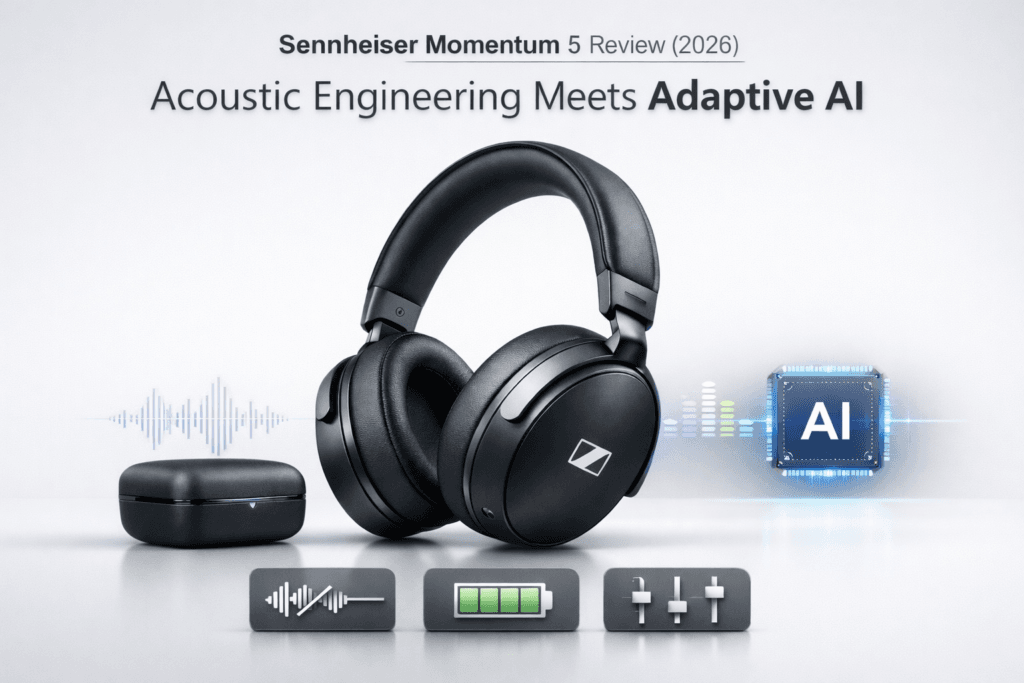
Sennheiser Momentum 5 Review (2026): Acoustic Engineering Meets Adaptive AI
Sennheiser Momentum 5 Review (2026): Acoustic Engineering Meets Adaptive AI Noise-canceling headphones have reached a point of saturation. Every flagship promises deeper