
Why Most People Upgrade Phones at the Wrong Time

Every year, a new wave of smartphones hits the market, and with it, an irresistible pull for consumers to upgrade. In 2025, the pace of innovation is so rapid that even minor camera or battery improvements feel like a must-have. Yet, many people upgrade impulsively, driven by marketing rather than actual need. Understanding the best time to upgrade phone is less about the model’s release date and more about aligning with personal usage patterns, financial sense, and technological maturity.
Hardware vs Software: What Actually Drives Relevance
Modern smartphones age in two main ways: hardware degradation and software evolution. Hardware, like batteries and displays, has measurable decline over time. Software, meanwhile, introduces new features, OS updates, and AI integrations that can make an older phone feel outdated even if it works fine physically. Many users upgrade purely based on software hype—new AI camera features, 5G enhancements, or software-exclusive Pro modes—without evaluating if these changes materially improve daily life. Recognizing the best time to upgrade phone requires distinguishing between genuine hardware limitations and software-driven allure.
Resale Value and Market Timing
Another often-overlooked factor is resale value. Smartphones depreciate quickly, and the resale price can be significantly affected by the timing of an upgrade. For example, selling just before a major release maximizes return, while waiting too long erodes value. Savvy users align their upgrades not with the release calendar but with optimal resale windows. This financial strategy intersects directly with determining the best time to upgrade phone, balancing cost efficiency with desired features.
Use-Case Lens: Who Should Upgrade When
- Casual Users: Phones older than three years with sluggish performance or battery decline are ideal upgrade targets. Minor camera enhancements or marginal CPU gains rarely justify a new purchase.
- Gamers: High-refresh displays, low-latency processors, and advanced cooling systems dictate timing. For this group, upgrading at a cycle of two to three years often hits the sweet spot.
- Content Creators: Camera performance and storage capabilities are the main drivers. The best time to upgrade phone is when your current device no longer meets production needs rather than chasing the latest sensor specs.
Common Pitfalls: Upgrading Too Early
- Marketing Influence: Launch events and “Pro” model naming conventions exaggerate urgency. Users fall for incremental upgrades disguised as breakthroughs.
- Financial Impulse: Credit offers or trade-in deals can create artificial pressure to buy, leading to unnecessary spending.
- Overestimated Feature Needs: Features like ultra-high megapixel cameras or AI-powered edits are often underutilized, making early upgrades a poor investment.
Mini Snapshot: Upgrade Timing Quick Scan
| Factor | Early Upgrade | Strategic Upgrade | Late Upgrade |
|---|---|---|---|
| Performance | Immediate access to new features | Balanced use-life | Risk of lag, battery decline |
| Financial | Higher cost, lower resale | Optimal balance | Reduced resale value |
| Practical Benefit | Often minor | Tangible improvements | May miss interim features |
Contrarian Insight: Less Can Be More
Paradoxically, delaying an upgrade often delivers better value. By skipping one release cycle, users can enjoy genuinely improved hardware, mature software features, and enhanced ecosystem integrations. Patience also provides clarity: which features are genuinely impactful versus fleeting trends. The best time to upgrade phone is often not the moment a new model launches, but when the previous generation has proven its limits.
Closing Insight
Upgrading a smartphone is as much about psychology as it is about technology. Aligning purchases with personal usage patterns, financial planning, and actual hardware needs transforms what feels like impulsive consumption into a strategic decision. Recognizing the difference between essential upgrades and marketing-driven pressure allows users to enjoy both performance and value. In 2025, mastering the best time to upgrade phone means resisting the hype and focusing on tangible benefits that enhance everyday life.
Stay Smart About Phone Upgrades
- Follow our Instagram @vibetric_official for practical upgrade insights.
- Bookmark vibetric.com to track genuine tech advancements versus marketing noise.
- Stay updated on reviews that separate meaningful innovation from incremental hype.
What’s your take on this?
At Vibetric, the comments go way beyond quick reactions — they’re where creators, innovators, and curious minds spark conversations that push tech’s future forward.
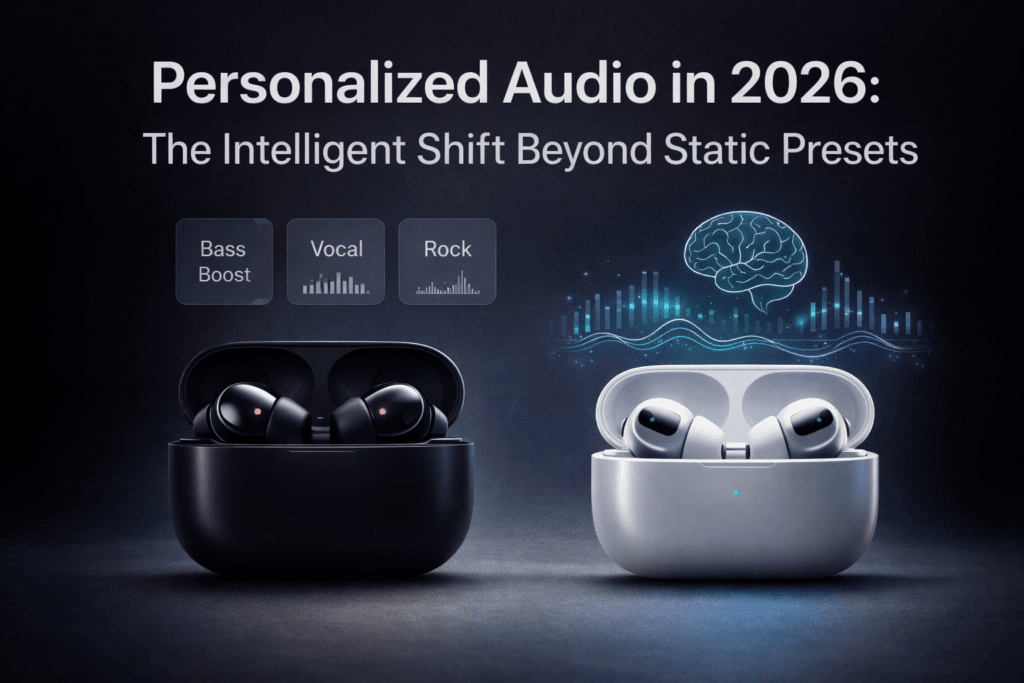
Personalized Audio in 2026: The Intelligent Shift Beyond Static Presets
Personalized Audio in 2026: The Intelligent Shift Beyond Static Presets For years, audio customization meant choosing a label. “Bass Boost.”“Vocal.”“Rock.”“Podcast.” These presets
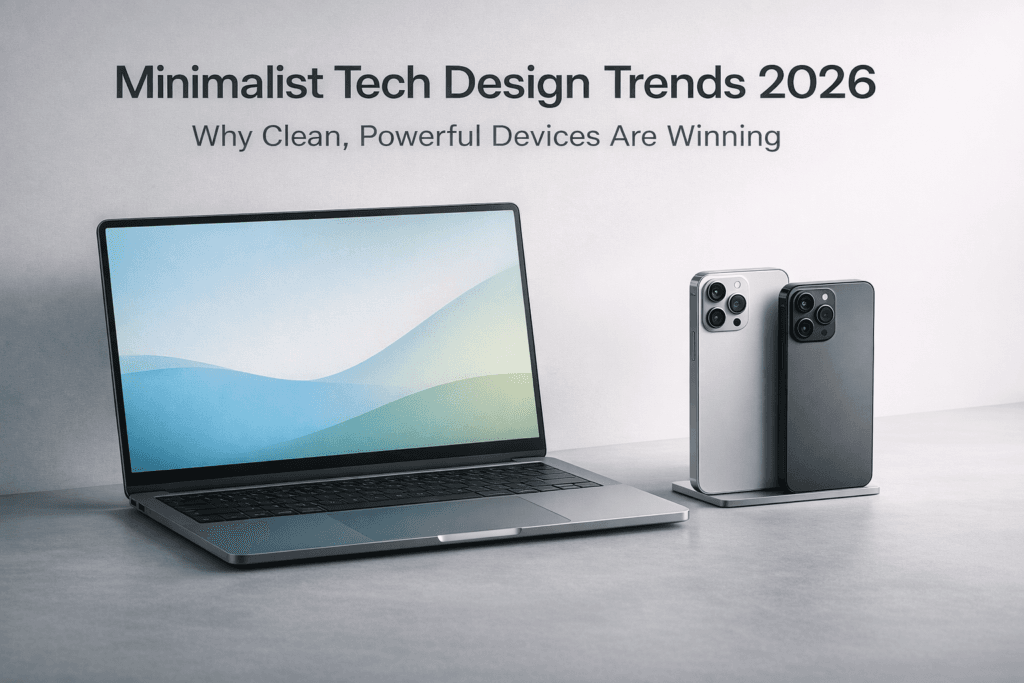
Minimalist Tech Design Trends 2026 — Why Clean, Powerful Devices Are Winning
Minimalist Tech Design Trends 2026 — Why Clean, Powerful Devices Are Winning For years, consumer technology competed on excess — more cameras,