
2025 Gaming Peripheral Review — What’s Actually Worth Buying This Year?
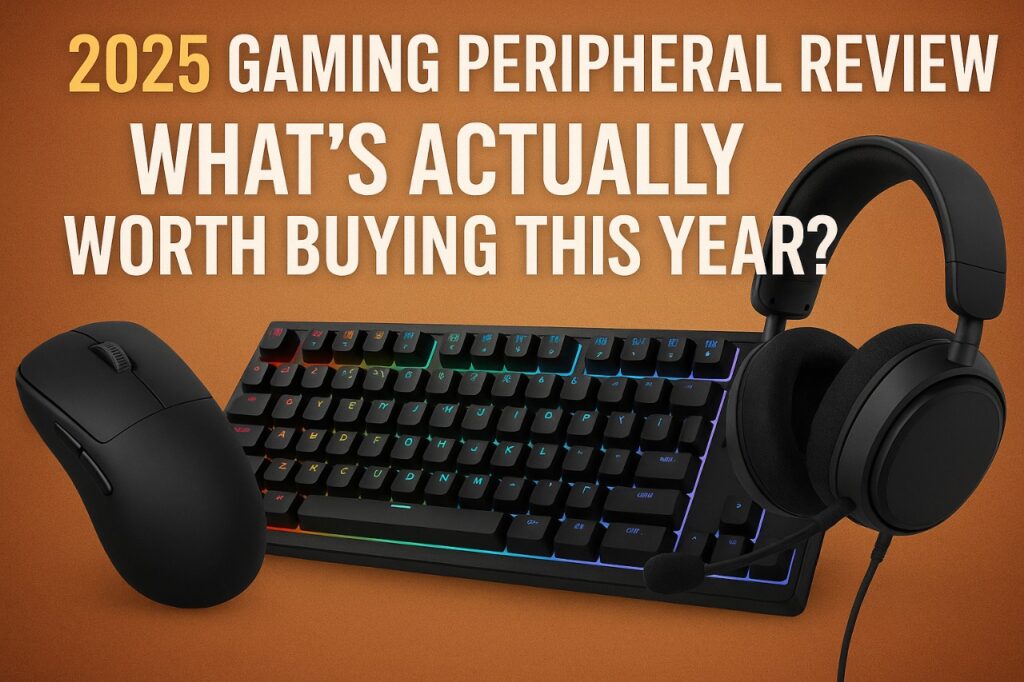
Gaming peripherals are often the unsung heroes of the gaming experience. We talk about graphics cards, CPUs, and game titles, but the right mouse, keyboard, and headset can elevate your gameplay to a whole new level. As we step into 2025, the market is flooded with options promising to enhance your skills, immerse you deeper into the action, and even boost your comfort. But with prices reaching new heights and tech advancing at breakneck speed, the real question is: What’s actually worth buying this year?
The Ever-Expanding World of Gaming Gear
Every year, gamers are bombarded with flashy new releases—RGB-lit keyboards, ultra-responsive mice, and headsets boasting “next-gen” sound quality. But with so many options, the decision to upgrade or invest in a new gaming peripheral can feel overwhelming. In 2025, the landscape is no different, with brands pushing the boundaries of innovation. But with peripheral prices at an all-time high, how can you be sure what truly delivers the goods?
Let’s break down the best gaming peripherals of 2025 and determine which ones offer real value for your gaming experience, and which ones might just be overhyped.
The 2025 Gaming Peripheral Market — Where Innovation Meets Hype
From the ultra-fast wireless gaming mice to immersive soundstage headsets, 2025 is shaping up to be a year where peripheral tech has never been more advanced. But with the flood of new tech, there’s always the question: Are these innovations actually making a difference in gameplay, or are they just features we don’t need? While some gaming peripherals offer tangible performance benefits, others seem to be adding more complexity and higher price tags without truly justifying the cost.
The key question: Are these peripherals worth the steep prices, or is there better value elsewhere?
Deep-Dive Explanation
1. Misconceptions: What We’ve Been Led to Believe About Gaming Gear
Many gamers fall into the trap of thinking that the most expensive gaming peripherals will automatically improve their performance. After all, if a mouse can register clicks 20% faster or a headset can produce 3D audio, it must make you a better player, right? The truth is, not all features are equally beneficial across different game genres or player styles.
While advanced sensors and hyper-fast response times may make a difference in competitive FPS games, they are largely irrelevant for casual gamers or players who enjoy slower-paced RPGs. Similarly, while wireless peripherals offer convenience, some still carry small latency penalties—something that competitive gamers in fast-paced genres like FPS or MOBA may feel.
2. Technical Reality: How Gaming Peripherals Have Evolved in 2025
Let’s take a closer look at what 2025 peripherals bring to the table, starting with gaming mice, keyboards, and headsets.
Gaming Mice:
In 2025, gaming mice have evolved from simple tools for clicking to highly specialized devices with sensors capable of up to 50,000 DPI, lightweight frames, and adjustable weights. Popular models like the Logitech G Pro X Superlight and Razer DeathAdder V3 offer ultra-low latency, precision tracking, and ergonomic designs. These mice are optimized for competitive play, but for casual players, such advanced specs may be unnecessary.
The real technical difference in 2025 is in the wireless tech. Logitech’s LIGHTSPEED and Razer’s HyperSpeed wireless technologies now offer nearly the same performance as wired connections. So, if you’re still sticking with a wired mouse for fear of lag, 2025’s wireless mice should put those concerns to rest.
Gaming Keyboards:
Mechanical keyboards continue to be the gold standard, but with 2025 models, we’re seeing even more customization options. From optical switches to hot-swappable keycaps, brands like Corsair and SteelSeries are offering highly customizable options. However, the real standout feature for 2025 is the integration of AI-driven macros and smart lighting systems that adapt to in-game events.
Some keyboards now feature haptic feedback, offering a tactile sensation akin to gamepad triggers, giving players extra precision in games like shooters and rhythm games. While this feature may appeal to pro players, it’s still a matter of personal preference, and for most casual gamers, it may not make a significant difference.
Gaming Headsets:
2025 headsets have taken a giant leap forward in terms of sound quality. Advances in spatial audio and 3D sound, powered by Dolby Atmos and DTS:X, make the latest headsets, such as the SteelSeries Arctis Nova Pro and Sony’s Pulse 3D Wireless, excellent for immersive experiences. These headsets are capable of pinpointing in-game sounds with incredible precision, a must-have for competitive FPS players and those who want to feel fully immersed in open-world games.
The key difference in 2025 headsets is also comfort—materials are now more breathable, with improved earcup padding and adjustable headbands designed for long gaming sessions without discomfort.
3. Industry Behavior: The Arms Race of Features vs. Practicality
The gaming peripheral market in 2025 is driven by an arms race of features. Manufacturers are continually upping the ante with specs that cater to both competitive gamers and casual enthusiasts. But it’s important to note that not all features are created equal, and some features are more gimmicks than game-changers.
For example, while a gaming mouse with 50,000 DPI may sound impressive, most players will never need that level of sensitivity, especially in titles that don’t require pixel-perfect precision. The same can be said for gaming headsets boasting “ultra-immersive” surround sound—unless you’re playing a highly specialized game that uses spatial sound, the extra cost for 3D audio might not be worth it.
4. Future Trajectory: The Next Big Thing in Gaming Gear
Looking ahead, the gaming peripheral market will continue to push boundaries with AI and personalization. Expect to see more peripherals that adapt to individual playstyles and offer real-time feedback to enhance performance. We might also see innovations like adaptive feedback on gaming mice, where the resistance or feel of the mouse changes based on in-game events, or virtual reality (VR) integration with peripherals that give more immersive physical feedback.
Moreover, as the metaverse and virtual worlds become more of a reality, we may start seeing peripherals designed to cater specifically to those environments, such as haptic feedback suits or highly responsive, 360-degree tracking systems.
Real-World Examples: What Gamers Are Actually Using in 2025
Example 1: Logitech G Pro X Superlight vs. Razer DeathAdder V3
Both mice are beloved by pro players, offering incredibly fast response times and exceptional build quality. The G Pro X Superlight is one of the lightest mice on the market, while the Razer DeathAdder V3 boasts a more ergonomic shape. If you’re a competitive player, both are excellent choices, but for casual gamers, the price difference may not justify the slight edge in performance.
Example 2: Corsair K100 Air vs. SteelSeries Apex Pro
The Corsair K100 Air is a slim mechanical keyboard with low-profile optical switches and RGB lighting that adapts to your game. The SteelSeries Apex Pro features adjustable actuation switches and even more customizations. For a gamer who needs ultra-fast responses and customization, the Apex Pro shines, but for most players, the K100 Air is a more than capable option with less bulk and a lower price.
Quick Snapshot Table:
| Product | Key Feature | Price Range | Performance Level | Best For |
|---|---|---|---|---|
| Logitech G Pro X Superlight | Ultra-lightweight, 25,000 DPI sensor | $150–$200 | Excellent | Competitive FPS Gamers |
| Razer DeathAdder V3 | Ergonomic, HyperSpeed wireless tech | $100–$130 | Excellent | Casual to Pro Gamers |
| SteelSeries Arctis Nova Pro | 3D audio, comfort-focused design | $200–$250 | Excellent | Immersive gaming |
| Corsair K100 Air | Low-profile mechanical, RGB lighting | $230–$270 | Great | Casual gamers, Streamers |
| SteelSeries Apex Pro | Adjustable actuation, mechanical keys | $220–$270 | Excellent | Pro players, Customizers |
Data-Backed Insight: What’s Actually Making a Difference
Gaming peripherals in 2025 are undeniably more powerful than ever, but the improvements don’t always translate into noticeable performance boosts. For example, data from gaming hardware reviews shows that most gamers won’t feel the difference between a 25,000 DPI mouse and a 16,000 DPI mouse unless they are playing highly specialized FPS games at an elite level.
Similarly, while premium headsets offer superior spatial audio, many gamers report that the differences between high-end and mid-range headsets are often marginal unless you’re specifically looking for 3D positional sound. This means that for many, spending an extra $100–$200 for these improvements might not be worth it in terms of gameplay benefits.
Human Impact: Does It Actually Improve Your Gaming?
The real benefit of upgrading your gaming peripherals in 2025 lies in personal comfort and immersion. Mice that are lighter and ergonomically designed can reduce strain during long gaming sessions. Keyboards with customizable actuation can provide a more satisfying typing experience, while headsets that offer immersive audio can help you fully engage with the game world.
However, for most casual gamers, the performance improvements are incremental. The real value lies in the personal fit of your gear—what works best for your playstyle and comfort level—rather than chasing the latest and greatest specs.
Solution Framework: What Should You Buy in 2025?
- Everyday Gamers: Look for a mid-range wireless mouse and keyboard combo like the Logitech G305 and Corsair K60 RGB. These offer great performance without breaking the bank.
- Competitive Gamers: If you’re aiming for precision and performance, the Logitech G Pro X Superlight, SteelSeries Apex Pro, and Arctis Nova Pro are top-tier choices for FPS and MOBA games.
- Streamers/Content Creators: Invest in gear that balances performance and comfort, such as the SteelSeries Apex Pro and the Razer Kraken V3 for a reliable, immersive setup.
- Casual Gamers: Don’t feel pressured to go high-end. The Razer DeathAdder V3 and a more affordable headset like the Corsair HS65 can provide excellent value for a casual gaming experience.
Counter-Perspective: Are Premium Peripherals Overkill?
While premium peripherals are nice to have, they’re not always necessary for most gamers. The difference between a $200 mouse and a $60 model isn’t something most casual players will notice. As with all tech, it’s important to weigh the benefits against the costs—and in the case of gaming peripherals, you might find that the returns are diminishing as prices rise.
Reddit / User Reality Section
Reddit discussions around gaming peripherals often highlight the debate between performance and practicality, with many users questioning whether the top-tier products are worth the extra cost.
| User Type | Feedback Summary | Relevance |
|---|---|---|
| Competitive Gamer | "I only use the G Pro X Superlight because it's the fastest and most comfortable. Totally worth it." | High |
| Casual Gamer | "I can’t tell much of a difference between my $30 mouse and a $150 one. Save your money." | Medium |
| Streamer | "The SteelSeries Arctis Nova Pro has the best sound quality, but it's a bit pricey for just gaming." | High |
Future Forecast: What’s Next for Gaming Gear?
In the next few years, expect to see more advanced integrations between gaming peripherals and VR/AR technologies. We may also see the rise of adaptive, AI-powered peripherals that change based on in-game events. Future gaming setups may even involve more tactile feedback systems or even full-body haptic suits that can mimic real-world sensations.
Closing Narrative: Striking the Right Balance
2025’s gaming peripherals are packed with impressive innovations, but that doesn’t mean every gamer needs to invest in the highest-end products. Whether you’re a competitive pro or a casual player, finding the right gear comes down to understanding what truly enhances your experience. Often, it’s the simple things—comfort, responsiveness, and a good fit for your playstyle—that matter most.
Vibetric Ending
The world of gaming peripherals in 2025 is filled with choices, but not all of them are worth your hard-earned cash. Choose wisely, and let your gear serve your playstyle, not your budget.
Ready to Upgrade Your Gaming Gear? Find the Best Peripherals for Your Playstyle!
- Follow vibetric_official on Instagram for more gaming gear reviews and in-depth analyses.
- Bookmark Vibetric.com for the latest gaming tech and peripherals insights.
- Stay tuned for our upcoming comparisons of the best gaming mice and headsets of 2025!
Frequently Asked Questions About Gaming Peripherals in 2025
- What makes a gaming mouse “high-end”?
High-end gaming mice often feature fast sensors (up to 50,000 DPI), low latency wireless connections, and lightweight designs for precision in competitive play. - Do I need a mechanical keyboard for gaming?
While mechanical keyboards are popular for their tactile feedback and customization options, a good membrane keyboard can still deliver a solid gaming experience. It depends on personal preference. - Is wireless better than wired for gaming peripherals?
In 2025, wireless gaming mice and keyboards have advanced to a point where their performance is virtually identical to wired ones, offering the same speed and accuracy without the cables. - How much should I spend on a gaming headset?
For most gamers, spending between $100–$150 on a gaming headset provides a good balance of sound quality and comfort. Premium models like the Arctis Nova Pro or Razer Kraken are great but might not offer significant advantages for casual players. - Are gaming peripherals worth the extra cost?
It depends on the level of gaming you’re into. For competitive players, high-end peripherals can offer measurable performance improvements. For casual players, mid-range gear offers great value for the price. - What’s the best gaming peripheral for streamers?
Streamers benefit from a combination of comfort, sound quality, and durability. The SteelSeries Apex Pro keyboard and SteelSeries Arctis Nova Pro headset are solid choices, offering both performance and long-session comfort. - How often should I upgrade my gaming peripherals?
If your current gear is still meeting your needs, there’s no need to upgrade frequently. However, if you’re looking for performance improvements or comfort upgrades, 2-3 years is a reasonable timeframe for a new purchase.
What’s your take on this?
At Vibetric, the comments go way beyond quick reactions — they’re where creators, innovators, and curious minds spark conversations that push tech’s future forward.
Spatial Audio Default in 2026: The Quiet Shift Redefining Immersive Sound
Spatial Audio Default in 2026: The Quiet Shift Redefining Immersive Sound There was a time when surround sound required a living room
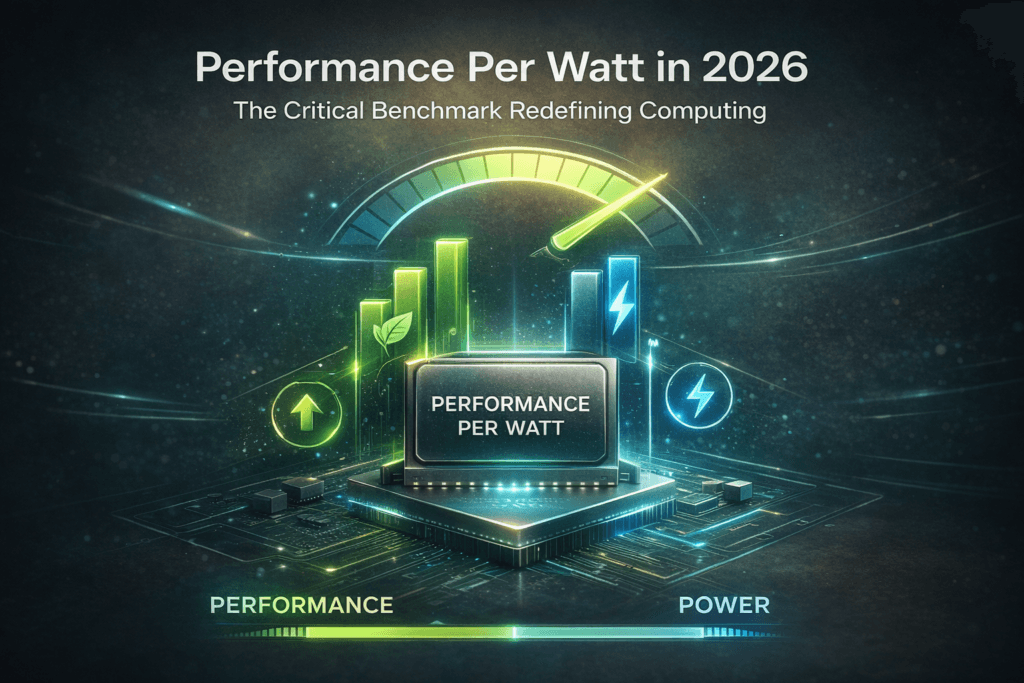
Performance Per Watt in 2026: The Critical Benchmark Redefining Computing
Performance Per Watt in 2026: The Critical Benchmark Redefining Computing For years, performance was measured in absolutes. Faster processors won. Higher benchmark