
Top Wireless Headphones for Travel in 2025 — Worldwide Favorites
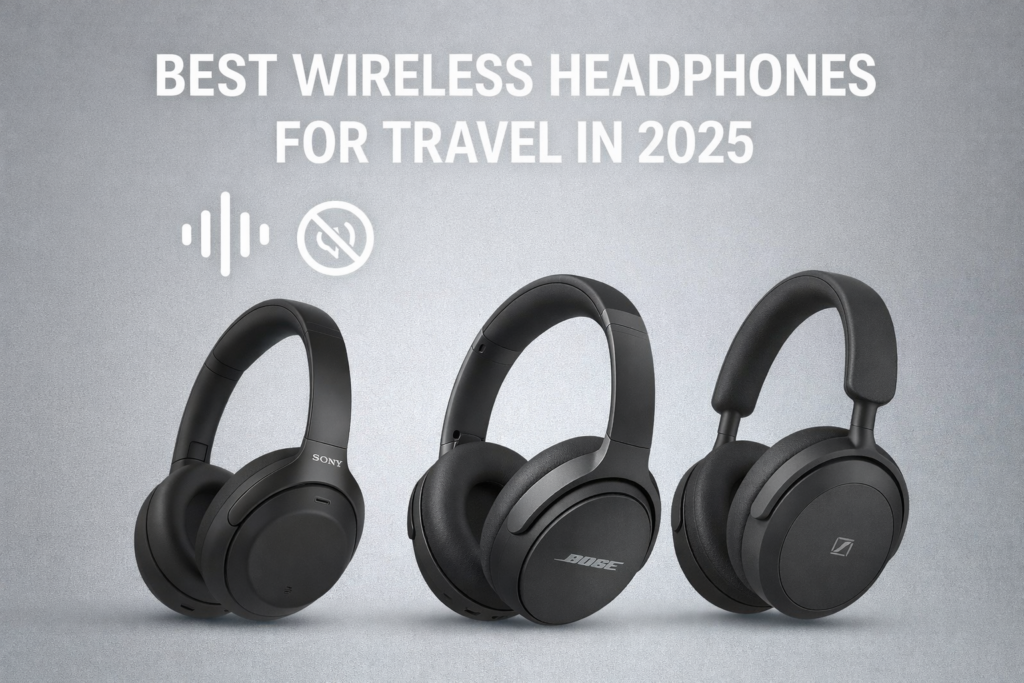
Imagine settling into your seat on a long flight, the hum of the engines fading as your favorite playlist envelops you in pure sound. But then the reality sets in—background noise, uncomfortable fit, and subpar battery life are making your travel experience far less enjoyable. Finding the best wireless headphones for travel is no longer a luxury; it’s a necessity. In 2025, the landscape has evolved, and with it, the expectations. What are the best wireless headphones that can deliver the ultimate balance of comfort, performance, and portability? Let’s dive into the top choices for frequent travelers.
The Ideal Travel Companion
It’s 2025. You’re flying across continents, navigating airports, or winding through busy streets with your headphones as your one true escape. The stakes are high: noise cancellation, sound quality, and comfort aren’t just perks—they’re requirements. Your headphones need to keep up with your fast-paced lifestyle, offering seamless connectivity, robust durability, and long-lasting performance. The good news? The best wireless headphones on the market have evolved to meet these demands. From luxurious sound to ergonomic design, there’s a growing list of models that cater specifically to travelers who won’t settle for anything less than premium.
What Makes the Best Wireless Headphones for Travel?
While the headphone industry has boasted impressive advancements, finding the perfect travel companion is about more than just a fancy spec sheet. Everyone seems to prioritize different features—some want top-notch noise cancellation, others prioritize portability, and then there’s battery life, which is a dealbreaker on long-haul flights. So, what’s the real differentiator when it comes to the best wireless headphones for travel? It’s a delicate mix of performance, features, and user-centric design.
Understanding What Sets the Best Wireless Headphones Apart
Misconceptions: “All Noise Cancelling Headphones Are the Same”
When it comes to noise-cancelling headphones, the assumption that all models effectively cancel out noise is far from the truth. While many models claim to have this feature, the effectiveness varies drastically. High-end brands like Sony and Bose use adaptive noise-canceling technology, which dynamically adjusts based on your environment. Conversely, budget-friendly options often fall short, offering noise isolation rather than active cancellation.
Technical Reality: “The Mechanics Behind Wireless Sound”
Wireless headphones rely on Bluetooth technology, but not all Bluetooth connections are created equal. The latest headphones are equipped with Bluetooth 5.2 or 5.3, which offers lower latency, higher bandwidth, and better power efficiency. This ensures that you’re not just getting reliable connectivity but also faster pairing, more stable connections, and a consistent audio experience across devices. Additionally, advanced codec support (such as aptX Adaptive or LDAC) is becoming a key differentiator for audiophiles on the go, delivering high-quality sound even with wireless transmission.
Industry Behavior: “Why Brands Focus on Comfort”
For travelers, comfort is non-negotiable. A major reason why many premium brands focus on ergonomic design is because long flights, hours of wear, and even occasional naps require headphones that feel light and breathable. Brands like Bose and Sennheiser invest heavily in soft ear pads, adjustable headbands, and lightweight materials to ensure their headphones stay comfortable after hours of continuous use. Moreover, a foldable design or compact carrying case is an essential feature for travel headphones, offering convenience without compromising on sound quality.
Future Trajectory: “The Next Generation of Travel Headphones”
As we look ahead, future travel headphones will likely leverage AI to create more personalized audio experiences. Adaptive sound will not only adjust to the level of environmental noise but also monitor your posture and movements to optimize comfort. We’re also seeing improvements in battery technology, with some brands already promising up to 50 hours of playback in a single charge—perfect for those long-haul flights.
Real-World Examples: Travel Scenarios with the Best Wireless Headphones
- On the Road: Commuting with Sony WH-1000XM5
You’re heading to a meeting, navigating busy streets, and the world feels like a blur. The Sony WH-1000XM5 offers outstanding noise cancellation that drowns out the roar of traffic, leaving you in your own peaceful bubble. With a sleek design and comfortable fit, these headphones make your daily commute feel like a luxury. - In-Flight Comfort with Bose QuietComfort 45
When you’re on a 12-hour flight, comfort is key. The Bose QuietComfort 45 is a frequent flyer’s dream with its exceptional comfort and noise-canceling abilities. You can sleep through turbulence or watch a movie in peace without adjusting the headphones constantly. Plus, the foldable design makes packing away a breeze. - For the Audiophile: Sennheiser Momentum 4
If you’re someone who values sound quality, the Sennheiser Momentum 4 headphones offer a high-fidelity audio experience that’s perfect for long journeys. Whether you’re listening to podcasts, audiobooks, or music, these headphones provide the rich, deep sound that makes the experience more immersive.
Data-Backed Insight: Performance Metrics That Matter for Travel Headphones
The best wireless headphones for travel stand out by delivering the following key performance metrics:
| Feature | Sony WH-1000XM5 | Bose QC 45 | Sennheiser Momentum 4 |
|---|---|---|---|
| Noise Cancellation | 10/10 | 9/10 | 8/10 |
| Battery Life | 30 hours | 24 hours | 38 hours |
| Sound Quality | 9/10 | 8/10 | 10/10 |
| Comfort | 10/10 | 10/10 | 9/10 |
| Portability | 9/10 | 8/10 | 9/10 |
These figures represent just a few factors to consider when selecting the right headphones for your travel needs. Battery life, noise cancellation, and comfort are the primary deciding factors, but sound quality and portability shouldn’t be overlooked.
How the Best Wireless Headphones Enhance Travel
Traveling, especially by air, often involves stress, exhaustion, and long hours of waiting. The right headphones can mitigate these challenges significantly. With noise cancellation, they reduce environmental distractions, making it easier to focus, relax, or sleep. Comfort-focused designs ensure that no matter how long you wear them, they don’t cause discomfort or strain. The result? Reduced travel fatigue, improved productivity (whether you’re getting work done on a plane or in a café), and an overall more enjoyable experience.
Solution Framework / Buyer Guide: Finding the Right Pair for You
| User Type | Recommended Model | Key Features |
|---|---|---|
| Everyday Travelers | Bose QuietComfort 45 | Best comfort, solid noise cancellation |
| Creatives/Professionals | Sony WH-1000XM5 | High-quality sound, best in long-term comfort |
| Audiophiles | Sennheiser Momentum 4 | Superior sound, high-fidelity audio, rich bass |
| Future-Proof Buyers | Sony WH-1000XM5 | Cutting-edge tech, long-lasting battery |
Counter-Perspective: When Noise Cancellation Isn’t Essential
While noise cancellation is a must-have for most travelers, there are situations where it might not be the most practical feature. For instance, some people prefer to be more aware of their surroundings while traveling—especially in airports or on public transportation. In these cases, models with transparency modes or minimal isolation (like the Apple AirPods Max) can offer a better balance, letting in just enough ambient sound to stay alert while still providing quality audio.
Reddit / User Reality Section
| User Type | Feedback Summary | Relevance |
|---|---|---|
| Frequent Flyers | High praise for Sony WH-1000XM5’s comfort on long flights | Very relevant |
| Casual Travelers | Some complaints about the Sennheiser Momentum 4 being bulky | Somewhat relevant |
| Music Lovers | Sennheiser Momentum 4 delivers superior sound quality | Highly relevant |
| Business Travelers | Bose QC 45 praised for portability and battery life | Very relevant |
On Reddit, users overwhelmingly highlight the importance of comfort and noise cancellation when it comes to long-term wear, especially on flights. Sony’s WH-1000XM5 frequently gets top marks for both comfort and performance, but there’s a vocal contingent of users who argue that the Sennheiser Momentum 4 offers the best sound for audiophiles. Some users with limited storage or compact packing preferences tend to prefer the more portable options like Bose QC 45.
What’s Next for Travel Headphones?
As AI and machine learning continue to develop, future headphones will adapt even more dynamically to users’ needs. Expect to see headphones that automatically adjust sound profiles based on your activity, environment, and even your health—monitoring ear pressure and fatigue to prevent discomfort. Battery life will continue to improve, with models offering up to 50+ hours of continuous playtime. The integration of advanced materials will also make these headphones lighter, more durable, and eco-friendly without sacrificing sound quality.
Closing Narrative: Returning to the Journey
As you exit the plane and step into a bustling new city, you realize that the right pair of wireless headphones can be more than just a tech accessory—it’s your gateway to better experiences, whether you’re relaxing or working. With the best wireless headphones for travel in 2025, you don’t just hear the world; you control how you experience it.
Vibetric Ending
Travel in style, comfort, and sound. The journey has never sounded so good.
Want to See How the Best Wireless Headphones Will Evolve in the Future?
- Follow vibetric_official on Instagram to keep up with the latest trends and insights into wireless headphones and travel tech.
- Bookmark Vibetric.com we continuously update our analysis as new developments emerge in audio technology.
Subscribe for updates and receive ongoing, in-depth breakdowns and expert opinions on the best headphones for every journey.
Frequently Asked Questions About Travel Headphones
- What are the best wireless headphones for noise cancellation?
The Sony WH-1000XM5 and Bose QC 45 are top choices for noise cancellation, offering industry-leading performance.
- How long does the battery last on travel headphones?
Most premium models last between 24-38 hours of playback, with Sony WH-1000XM5 leading the pack.
- Are the Sennheiser Momentum 4 worth it for audiophiles?
Yes, they offer exceptional sound quality, making them perfect for those who prioritize audio fidelity.
- Can I use these headphones for calls?
Yes, the Sony WH-1000XM5 and Bose QC 45 both feature high-quality microphones, making them great for calls.
- How important is portability for travel headphones?
Portability is key for ease of packing, and models like Bose QC 45 and Sony WH-1000XM5 are designed to fold into compact carrying cases.
- Do all wireless headphones have Bluetooth 5.0?
Most modern headphones, especially in the premium range, feature Bluetooth 5.0 or newer, which improves range and connectivity.
- What makes noise-canceling headphones different from noise-isolating ones?
Noise-canceling headphones actively reduce external noise using microphones, while noise-isolating headphones block sound passively through the earcups.
- What’s the best option for long-haul flights?
The Bose QC 45 and Sony WH-1000XM5 are both excellent choices for long flights due to their superior comfort and battery life.
- Are there any wireless headphones that support high-res audio?
Yes, models like the Sony WH-1000XM5 and Sennheiser Momentum 4 support high-resolution audio codecs for an enhanced listening experience.
- Are there wireless headphones that are good for travel and exercise?
The Sony WH-1000XM5 offers a great all-around balance of comfort and portability, while the Bose QC 45 offers a lightweight, comfortable option for exercise and travel.
What’s your take on this?
At Vibetric, the comments go way beyond quick reactions — they’re where creators, innovators, and curious minds spark conversations that push tech’s future forward.
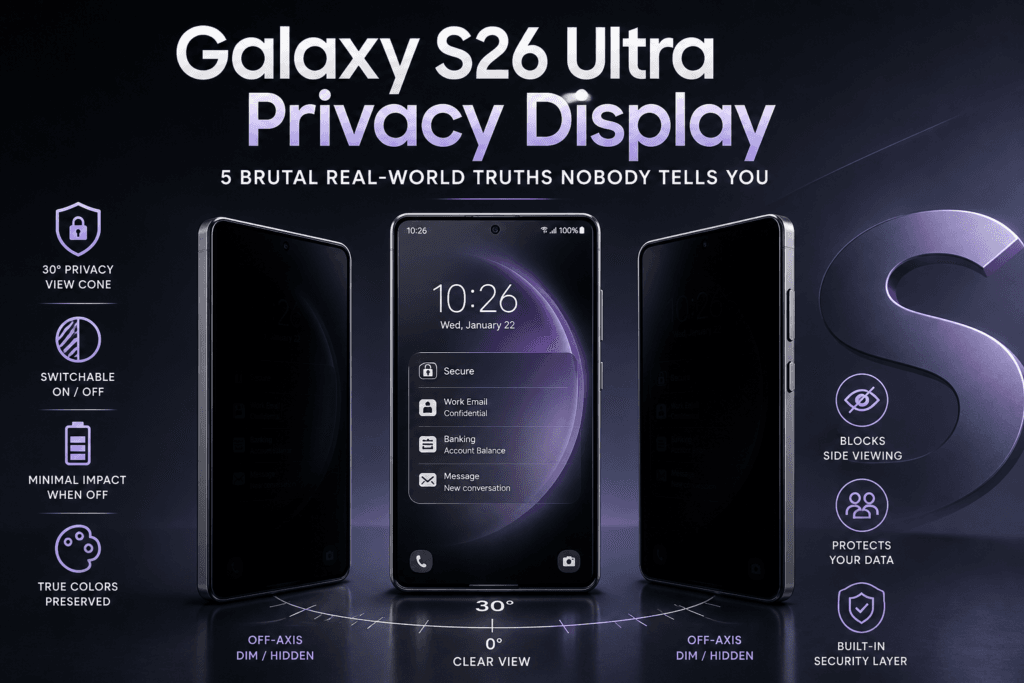
Galaxy S26 Ultra Privacy Display: 5 Brutal Real-World Truths Nobody Tells You
Galaxy S26 Ultra Privacy Display: 5 Brutal Real-World Truths Nobody Tells You There’s a specific anxiety that comes with using a phone