
How Midrange Phones Became the New Standard
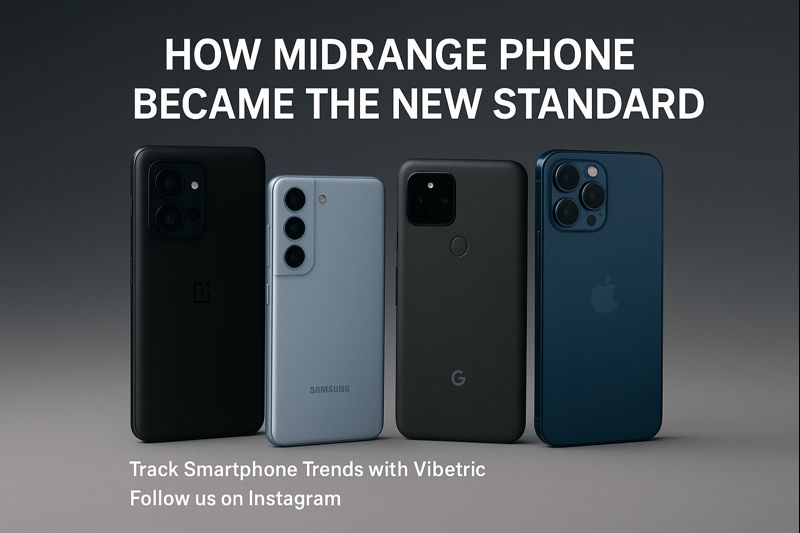
For years, smartphone marketing was polarized: budget phones for affordability, and flagship devices for prestige and cutting-edge technology. In 2025, midrange smartphones have emerged as the true mainstream, offering a blend of performance, design, and value that meets the needs of most users. Understanding why midrange devices now dominate requires looking at engineering, market trends, and consumer behavior.
Performance That Rivals Flagships
Midrange smartphones today are powered by efficient processors that often rival older flagship chips in real-world tasks. Coupled with 6–8GB RAM and optimized software, these devices handle multitasking, streaming, and casual gaming effortlessly.
Camera technology has also become accessible: AI-driven computational photography allows midrange devices to capture high-quality images in varied lighting conditions. Battery life, once a differentiator, has also improved due to larger cells and power-efficient displays.
To make the differences clearer, here’s a mini comparison between midrange and flagship smartphones:
| Feature | Midrange Smartphones | Flagship Smartphones |
|---|---|---|
| RAM | 6–8GB | 8–16GB |
| Camera | Dual/Triple with AI support | Advanced multi-lens, higher sensors, professional modes |
| Battery | 4,000–5,000 mAh, fast charging | 4,500–5,500 mAh, ultra-fast or wireless charging |
| Display | AMOLED/LCD, 60–120Hz | AMOLED, 120–144Hz, higher resolution, HDR support |
This table highlights that while flagships still push the envelope, midrange devices cover most real-world needs effectively.
Design and Build Quality Advancements
Previously, midrange devices were clearly distinguishable by their build materials and design compromises. In 2025, high-quality polycarbonate, Gorilla Glass protection, and metal frames have blurred these lines. Slim profiles, minimal bezels, and immersive displays make midrange smartphones feel premium in hand.
Additionally, foldable and dual-screen innovations, once limited to flagship tiers, are starting to trickle into the upper midrange segment, further narrowing the experience gap.
Software and Ecosystem Parity
Operating systems and ecosystem support are no longer flagship-exclusive. Midrange smartphones benefit from the same OS updates, app compatibility, and security patches as higher-end models. Features like gesture navigation, AI assistants, and advanced connectivity options are now standard, making the user experience nearly identical to premium devices.
This parity reinforces the perception that paying extra for flagship devices is unnecessary for most daily use cases.
Market Dynamics Driving Midrange Dominance
Economics play a significant role. Flagship devices have become increasingly expensive, while midrange models offer a compelling cost-to-performance ratio. Emerging markets, where price sensitivity is high, further accelerate midrange adoption.
Manufacturers are also strategically investing in midrange innovation, offering features like higher refresh-rate displays, fast charging, and capable cameras at accessible prices. This focus ensures midrange smartphones meet global demand without compromise.
A Contrarian Angle: Are Flagships Still Relevant?
Despite midrange dominance, flagship smartphones remain relevant for early adopters, power users, and enthusiasts seeking bleeding-edge technology. Advanced sensors, top-tier materials, and experimental features still reside at the high end. Yet for the majority, the day-to-day experience of midrange smartphones is sufficient, and sometimes superior in value perception, compared with high-cost flagships.
Closing Insight
Midrange smartphones in 2025 have become the default choice for most users, combining performance, design, and software in a package that satisfies daily needs. Advances in processors, cameras, displays, and ecosystem support have reduced the necessity of expensive flagships. Understanding this evolution allows consumers to make informed choices, balancing price, features, and real-world usage rather than being swayed by prestige.
Track Smartphone Trends with Vibetric
- Follow our Instagram @vibetric_official for deep insights into midrange smartphone performance and trends.
- Bookmark vibetric.com to compare devices across price, performance, and usability.
Stay updated on reviews that focus on real-world experience rather than marketing claims.
What’s your take on this?
At Vibetric, the comments go way beyond quick reactions — they’re where creators, innovators, and curious minds spark conversations that push tech’s future forward.
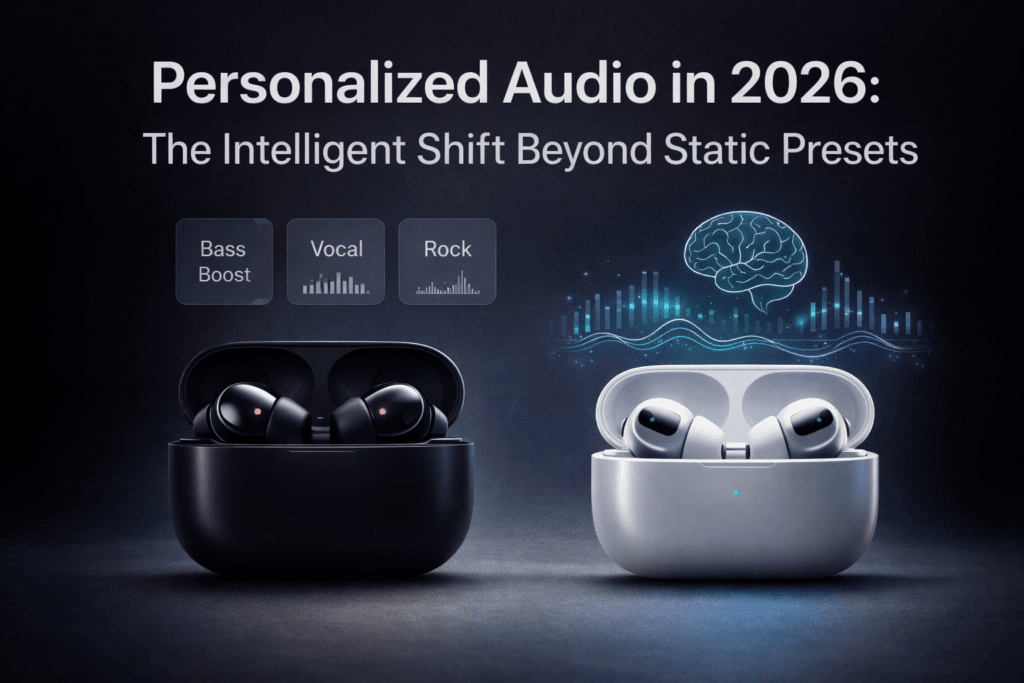
Personalized Audio in 2026: The Intelligent Shift Beyond Static Presets
Personalized Audio in 2026: The Intelligent Shift Beyond Static Presets For years, audio customization meant choosing a label. “Bass Boost.”“Vocal.”“Rock.”“Podcast.” These presets
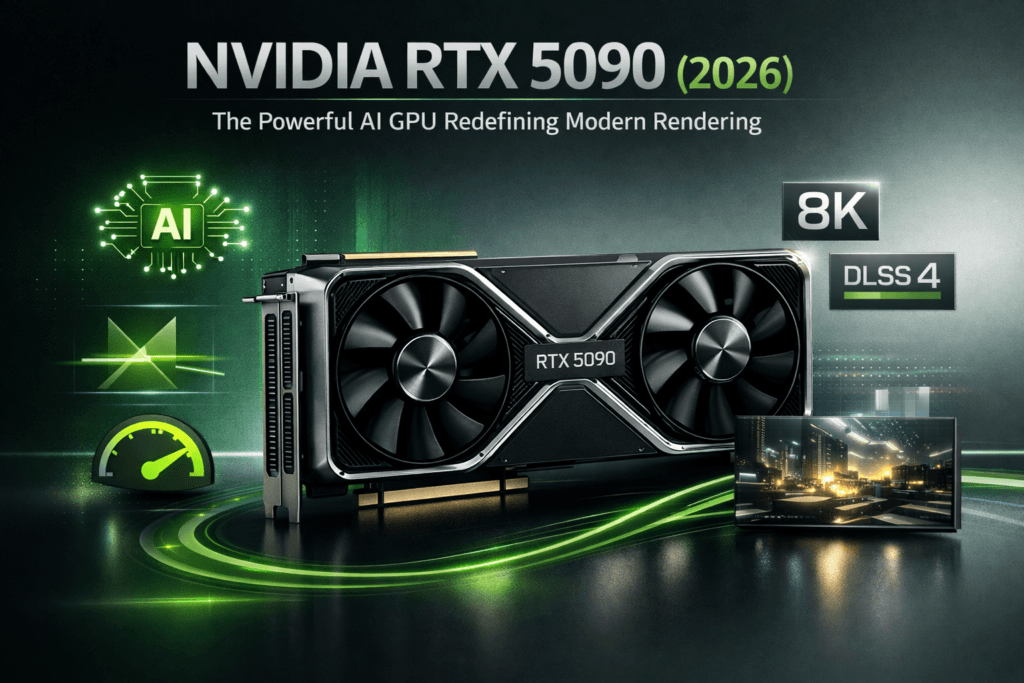
NVIDIA RTX 5090 (2026): The Powerful AI GPU Redefining Modern Rendering
NVIDIA RTX 5090 (2026): The Powerful AI GPU Redefining Modern Rendering Gaming used to be about frames per second. Now it’s about