
The Truth About Android Updates — Are Brands Finally Improving?
For years, Android users have been caught in a paradox: a device that promises freedom, customization, and cutting-edge hardware, yet often falls short in one critical area — timely Android updates. Each update carries the hope of new features, enhanced security, and smoother performance. Yet, for many users, these updates arrive slowly, inconsistently, or sometimes not at all, leaving devices feeling outdated despite strong hardware.
This gap between expectation and reality has shaped the culture of Android ownership. A technically superior phone can feel obsolete if the software lags behind, while users of competing ecosystems enjoy predictable, timely updates.
But the story is shifting. As of 2025, brands like Samsung, Google, and OnePlus are attempting to bridge this long-standing gap. They are rolling out faster updates, committing to longer support periods, and providing clearer communication about software roadmaps.
This blog explores the current state of Android updates, analyzing which brands are improving, which are lagging, and how delayed updates impact real-world device performance and security. By the end, readers will know which brands to trust for longevity, stability, and peace of mind.
🧭 Why This Topic Matters
Smartphones are now essential tools for work, study, and social connection. Delayed Android updates can lead to:
- Missed security patches exposing personal data
- Inconsistent app performance or incompatibility
- Feature gaps compared to newer devices
For enthusiasts and everyday users alike, understanding the update landscape is no longer optional. It directly impacts usability, resale value, and overall satisfaction. Making informed choices about which brand to trust can save frustration and extend a device’s lifespan.
📊 Quick Snapshot — Comparison Table
| Brand | Update Frequency | Security Patch Duration | Major OS Updates | UI Layer | Reliability | Notable Strength |
|---|---|---|---|---|---|---|
| Google Pixel | Monthly | 5 years | 4 major | Stock Android | High | Fastest updates |
| Samsung | Bi-monthly | 4 years | 4 major | One UI | High | Long-term support |
| OnePlus | Monthly/Quarterly | 3 years | 3 major | OxygenOS | Medium-High | Smooth rollout |
| Xiaomi | Irregular | 3 years | 2–3 major | MIUI | Medium | Feature-rich UI |
| Oppo | Quarterly | 3 years | 2–3 major | ColorOS | Medium | Visual polish |
| Vivo | Irregular | 2–3 years | 2 major | FuntouchOS | Medium-Low | Budget coverage |
🧠 Expert Insights
- Stock Android devices, like Pixel, remain the gold standard for timely updates due to minimal customization.
- Samsung’s One UI balances feature richness and consistent updates, although mid-tier devices may see occasional delays.
- Budget brands like Xiaomi and Oppo are improving, but inconsistent rollout schedules and limited OS support still leave gaps in security and feature updates.
- Regular Android updates often provide tangible benefits, including improved performance, optimized battery management, and camera enhancements.
🛠 Design & Build: How It Relates to Updates
While updates are software-based, a device’s physical design influences how smooth and reliable those updates feel. Premium materials often correlate with better long-term support and fewer thermal issues.
Materials & Construction:
- Pixel: Aluminum frame with glass back for durability
- Samsung Galaxy: Gorilla Glass Victus, metal frame, water/dust resistance
- OnePlus: Aluminum frame with solid feel, slightly heavier design
Ergonomics & Durability:
- Heavier devices may experience thermal throttling, influencing update performance
- Aggressive or edge-heavy designs may require longer software bug fixes
| Brand | Build Material | Ergonomics | Expected Lifespan |
|---|---|---|---|
| Google Pixel | Aluminium + Glass | Compact & Light | 4–5 years |
| Samsung | Metal + Glass | Balanced | 5+ years |
| OnePlus | Aluminium | Light & Smooth | 4–5 years |
| Xiaomi | Plastic/Glass | Mixed | 3–4 years |
One of the most upvoted community comments captures the entire shift:
“Five years ago, cheap meant disposable. Now cheap means efficient manufacturing.”
Consumers are also noticing clearer vocals, better ANC, and more stable latency in gaming — areas where budget hardware once suffered the most.
📺 Display, Audio & Camera Impact
Many Android updates include display calibration, camera algorithm improvements, and audio tuning. Delays in these updates can leave devices lagging behind competitors.
| Feature | Pixel | Samsung | Xiaomi |
|---|---|---|---|
| Display Optimization | High | Medium-High | Medium |
| Camera Algorithm Updates | Frequent | Regular | Inconsistent |
| Audio Enhancements | Regular | Regular | Rare |
Key takeaway: Devices with frequent updates maintain better visual, audio, and camera performance over time.
⚡Performance & Software Stability
- Pixel: Smooth multitasking, minimal slowdowns, quick security patches
- Samsung: Slight UI lag after major updates but stabilizes quickly
- MIUI/ColorOS: Updates can introduce temporary instability or app crashes
Timely Android updates improve responsiveness, app compatibility, and thermal efficiency. Devices with delayed updates may experience slower app launches or inconsistencies.
🔋 Battery Life & Efficiency
- Pixel: Adaptive battery improves efficiency with each update
- Samsung: Background process optimization, minor temporary battery drain
- Xiaomi/Oppo/Vivo: Inconsistent updates can lead to unpredictable battery performance
💻 Software & Experience Layer
- UI Smoothness: Pixel > Samsung > OnePlus
- Bloatware/Ads: Pixels are clean; MIUI/FuntouchOS show more ads
- Update Philosophy: Pixels first, Samsung follows, budget brands lag
- Reliability Over Time: Consistent updates strongly correlate with long-term usability
🌐 Community Insights — Reddit Snapshot
| Praise | Complaints | Misconceptions | Long-term behavior | Buyer patterns |
|---|---|---|---|---|
| Fast Pixel updates | Samsung occasional lag | “All Android is slow” | Loyal Pixel users stick | Upgrade every 2–3 yrs |
| OnePlus smooth UI | MIUI ads intrusive | Updates fix all bugs | OnePlus users tweak often | Wait for software maturity |
| Samsung long-term support | Delays in budget models | “Android updates = instant” | Samsung owners often skip minor updates | Budget-conscious prefer Xiaomi |
| Improved security | ColorOS irregularity | “Older phones are useless” | Pixel owners feel safer | Feature seekers follow brand |
Summary: Community discussions reveal that update speed and reliability matter more than flashy features. Pixel and Samsung dominate user satisfaction, while budget brands remain unpredictable.
🧩 What Most Reviews Don’t Tell You
Many mainstream reviews focus on hardware specs, benchmark scores, or new features, often overlooking the real-world impact of update consistency. Few point out that:
- Delayed updates can reduce camera and audio optimization, even on flagship devices.
- Security patches matter more for long-term device safety than minor UI changes.
- Budget devices may feel “fast” initially but can lag behind within 12–24 months without regular updates.
- Users relying on delayed updates may experience app compatibility issues sooner than advertised.
Understanding these nuances allows buyers to prioritize update policies over raw specs, which is critical for device longevity.
🏁 Competitor Comparison
| Source | User Sentiment | Key Takeaway |
|---|---|---|
| headphones | “$100 IEMs beat $300 ones from 2019.” | Value gap has collapsed. |
| budgetaudiophile | “This is the golden age for cheap gear.” | Entry-level is now high-performing. |
| IndiaTech | “boAt, Noise, and Boult have matured.” | Local brands improving tuning and build. |
| audiophile | “EQ + AI tuning made cheap earbuds sound expensive.” | Software is the real equalizer. |
| AudioEngineering | “Low-end DACs meet pro specs today.” | Advancements are democratising sound quality. |
✅ Pros & Cons
Pros:
- Pixel leads in update speed and security
- Samsung offers long-term support and mature UI
- Timely updates enhance performance and battery efficiency
- UI layers on premium devices have matured significantly
- Budget devices are slowly improving in update regularity
Cons:
- Android ecosystem fragmentation persists
- Budget brands often delay updates or security patches
- Communication about update timelines can be inconsistent
- Minor bugs may appear post-update
- Device-specific optimization varies
🛒 Buyer Guide
- Power users: Pixel for fastest updates and best security
- Students/creators: Samsung for stable ecosystem and reliable updates
- Travellers: Pixel or Samsung for timely security patches
- Budget-conscious buyers: Xiaomi or Oppo, but manage expectations
⚠️ Known Issues & Limitations
- Pixel: Rare camera bugs post-update
- Samsung: Occasional UI lag after major updates
- OnePlus: Minor app crashes after OxygenOS updates
- Xiaomi/Oppo: Irregular updates and ads intrusive
🕒 Future-Proofing Score
Devices with consistent Android updates remain relevant 4–5 years after launch. Pixels lead due to immediate support, Samsung follows closely, while budget brands may lose relevance sooner because of delayed updates and shorter OS support.
💬 Vibetric Verdict
Android updates in 2025 are improving, but consistency still varies. Pixels lead in speed and reliability, Samsung balances features with support, while budget brands lag. Users seeking longevity should prioritize update policies over raw hardware specs — Android updates now define device lifespan more than ever.
🔗 Stay in the Loop
We help you choose smarter, not louder.
- Follow @vibetric_official on Instagram for weekly smartphone breakdowns and software deep-dives.
- Bookmark Vibetric.com for real-user insights, expert-backed reviews, and trend analysis.
No fluff. No bias. Just honest performance — the Vibetric way.
❓ FAQs
- How often do Android updates arrive?
Pixels: monthly; Samsung: bi-monthly; others vary. - Which brand offers the fastest Android updates?
Google Pixel leads with immediate access to new versions and security patches. - Do all Android phones get major OS updates?
No. Flagships usually receive 3–4; budget devices get 2–3. - How do updates affect battery life?
Updates improve efficiency via adaptive battery; poorly optimized updates may temporarily increase consumption. - Are custom UIs slower to update?
Yes. MIUI, ColorOS, and FuntouchOS often lag behind stock Android. - Can updates fix performance issues?
Yes. Timely updates improve system stability, responsiveness, and thermal behavior. - How long will Android updates remain relevant?
Devices with consistent updates stay relevant 4–5 years. - Is stock Android better for updates?
Generally yes. Minimal customization ensures faster, more reliable updates. - Should I prioritize updates over hardware specs?
For longevity and security, yes. Updates often impact performance more than raw hardware. - Which budget brands are improving Android updates?
Xiaomi and Oppo show gradual improvement, though consistency still lags behind premium brands.
💬 What’s your take on this?
The comment section at Vibetric isn’t just for reactions — it’s where creators, thinkers, and curious minds exchange ideas that shape how we see tech’s future.
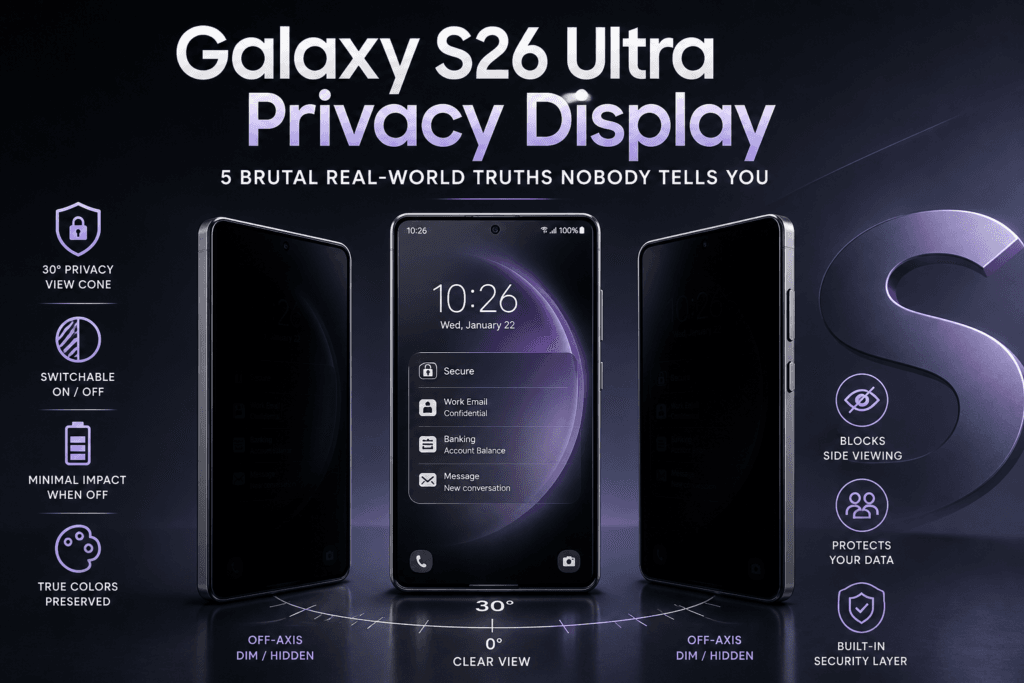
Galaxy S26 Ultra Privacy Display: 5 Brutal Real-World Truths Nobody Tells You
Galaxy S26 Ultra Privacy Display: 5 Brutal Real-World Truths Nobody Tells You There’s a specific anxiety that comes with using a phone