
The Comeback of Wired Audio — Here’s Why It Matters
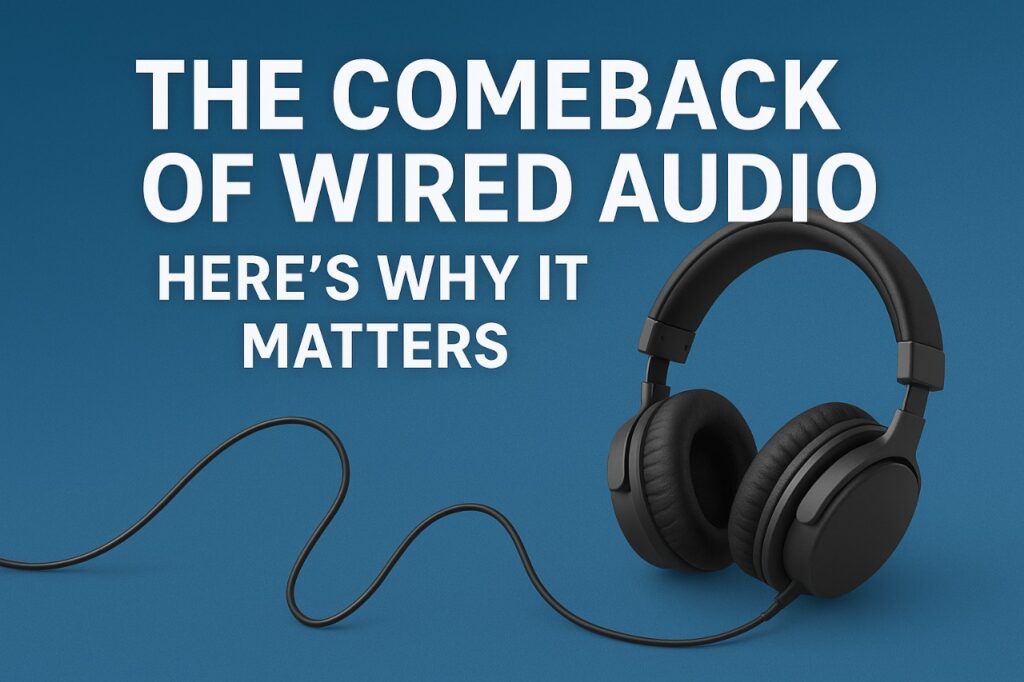
A few years ago, the headphone jack was considered “dead.” Brands mocked cables, charged extra for dongles, and promised wireless freedom forever.
But in 2025, something unexpected has happened — wired audio didn’t just survive; it made a quiet but powerful comeback.
Not as a nostalgic throwback, but as a statement. People are finally realizing that wireless convenience comes at a cost — and that cost is accuracy, consistency, and reliability. While Bluetooth has improved over the years, true sound fidelity still belongs to wired audio. In fact, the limitations of wireless — signal compression, battery drain, occasional latency, and interference — have made audiophiles, creators, and gamers reconsider the humble cable as a serious solution rather than a compromise. It’s become clear that for anyone serious about sound, whether for gaming, music production, or critical listening, wired audio remains unmatched.
🔊 The Real Difference
Bluetooth codecs like LDAC, aptX, and SBC have advanced significantly, but even “lossless” Bluetooth isn’t truly lossless in everyday scenarios. Transmission limits, bit-rate caps, and interference all distort the original signal.
Reddit audiophiles often sum it up perfectly:
“Wireless is for moving. Wired is for listening.”
With wired audio, the signal travels directly from your device to your ears. There’s no adaptive compression, no battery management — just pure, unfiltered sound. That’s why professionals, musicians, gamers, and serious listeners still rely on wired audio for clarity, low latency, and precise tonal reproduction. Even subtle nuances in music or small audio cues in games are preserved with a wired connection, something wireless setups still struggle to guarantee consistently.
🎛️ The 2025 Shift
This resurgence isn’t about rejecting wireless entirely — it’s about reclaiming control over how we experience sound.
- Gamers increasingly choose wired audio to avoid latency spikes and ensure fast, predictable input.
- Music producers prefer wired setups and external DACs for true tonal fidelity and precise mixing.
- Students, remote workers, and professionals are going wired for online classes and conference calls, avoiding Bluetooth dropouts or interference.
Brands have noticed. Moondrop, Sennheiser, Audio-Technica, and other high-end audio companies now sell hybrid headphones — wireless for portability, wired audio for accuracy. Even smartphone manufacturers are cautiously bringing back headphone jacks on select models, acknowledging that convenience shouldn’t compromise sound quality.
🧠 What Wired’s Comeback Tells Us
The return of wired audio reflects a broader trend: people in 2025 care less about flashy “smart” features and more about reliability. Consumers are tired of firmware bugs, battery degradation, and connection drops. Plugging in feels refreshingly simple — a tactile, dependable experience in an over-automated world. It’s proof that sometimes, simplicity delivers the best experience, even in a world obsessed with wireless freedom.
🧩 Key Takeaways
- Wired audio = purity, consistency, zero latency.
- Wireless = convenience, but compromises clarity and stability.
- Hybrid = the best of both worlds: mobility + fidelity.
- Wired’s comeback is a mindset shift, not mere nostalgia.
- For serious listening, wired audio still outperforms wireless in 2025.
- Gamers, creators, and audiophiles benefit most from cables that guarantee signal integrity.
💬 Vibetric Verdict
Vibetric Verdict: The wire never truly lost — it was waiting for listeners to recognize its value. In 2025, wired audio is not retro; it’s smart, precise, and essential for anyone who wants to experience music, games, and calls exactly as they were meant to be heard.
🔗 Stay in the Loop
Follow @vibetric_official for honest audio insights, tech breakdowns, and performance-first reviews.
No hype. No bias. Just facts — the Vibetric way.
💬 What’s your take on this?
The comment section at Vibetric isn’t just for reactions — it’s where creators, thinkers, and curious minds exchange ideas that shape how we see tech’s future.
Bass Perception in Audio: Why It Feels Good Despite Hidden Inaccuracy
Bass Perception in Audio: Why It Feels Good Despite Hidden Inaccuracy Bass has a strange power over listeners. It can make modest
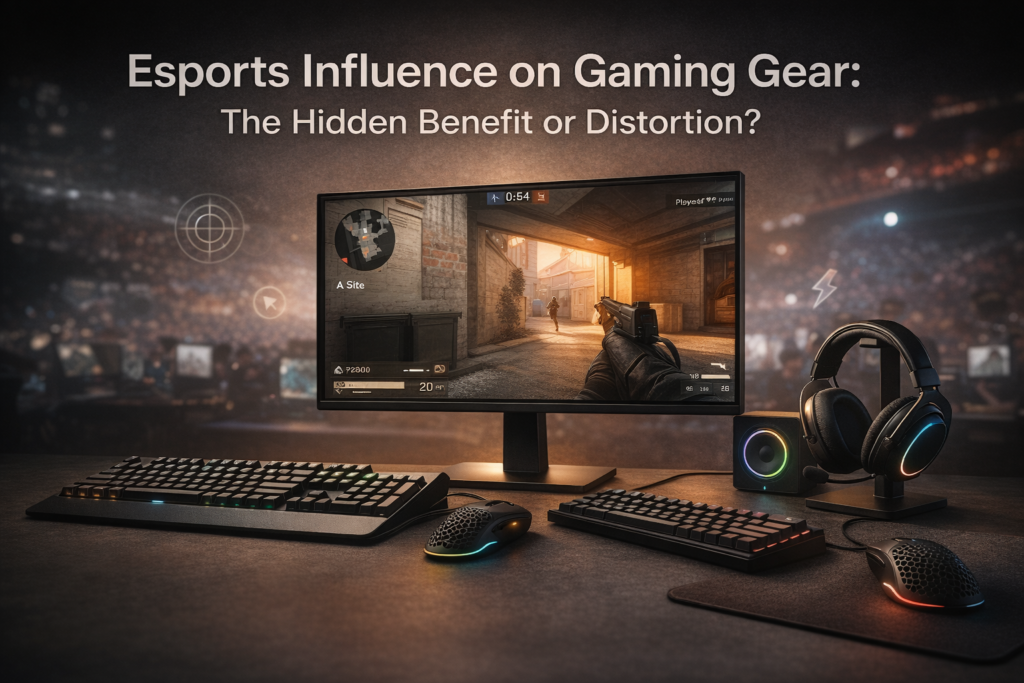
Esports Influence on Gaming Gear: The Hidden Benefit or Distortion
Esports Influence on Gaming Gear: The Hidden Benefit or Distortion Esports has reshaped how gaming gear is designed, marketed, and evaluated—but not