
Why Loud Doesn’t Mean Better: The Truth About Sound Quality
If you turn the volume up and feel the bass thump, it sounds “better,” right?
Not really — because loudness often hides poor sound quality, not improves it.
In 2025, audio has become more accessible than ever. From budget Bluetooth speakers to high-end earbuds, every brand promises “immersive sound.” But behind the buzzwords and booming bass lies a harsh reality: louder audio often means less accurate audio. And most people don’t realize they’re being tricked.
⚙️ Core Insight
For years, audio brands have sold “bigger sound” as the ultimate benchmark for quality.
But louder isn’t better — it’s often a shortcut.
When you compare two speakers or headphones, your brain almost always prefers the louder one. This isn’t taste — it’s science. It’s called loudness bias, a well-documented psychoacoustic effect. And brands know this extremely well.
That’s why many entry-level speakers and budget earbuds boost bass and highs unnaturally. They want to impress you in the first 10 seconds of a demo.
But that excitement fades fast — and ear fatigue takes over.
The real test of sound quality isn’t loudness.
It’s clarity, balance, and detail across all frequencies.
A Reddit audiophile explained it perfectly:
“Companies tune for the showroom, not the living room.”
Turn the volume down, and bad tuning becomes obvious — muddy mids, distorted vocals, compressed dynamics, and harsh treble. All the flaws that loudness tried to hide suddenly surface.
In contrast, gear with genuinely good sound quality maintains balance even at low volumes. You can still hear the texture in the vocals, the separation between instruments, and the natural weight of the bass without drowning everything else.
🎧 The Hidden Side of Digital Processing
Modern wireless audio brings another layer of compromise: digital enhancement.
To create the illusion of richness, many headphones and Bluetooth speakers rely on DSP (Digital Signal Processing). DSP boosts perceived loudness, enhances bass, and alters frequency curves to make audio sound more “impactful.”
But here’s the trade-off:
- DSP often flattens the dynamic range, reducing natural contrast in the music.
- It compresses peaks, hides micro-details, and blends instruments together.
- Voices lose their natural space, and everything starts sounding louder, but not necessarily better.
In blind tests where volume is matched, even trained listeners struggle to distinguish between expensive and mid-range gear. The difference isn’t in how “hard” the audio hits — it’s in how honestly it reproduces.
True sound quality is found in details:
clean midrange tones, controlled bass that doesn’t spill over, crisp highs that don’t stab, and a soundstage that feels spacious rather than artificially widened.
🧩 How to Actually Judge Sound Quality
If you want to test your audio gear the right way:
- Loud ≠ good — turn it down and listen for clarity.
- Watch for loudness bias — it tricks your ears every time.
- Real sound quality = balance + detail + natural tone.
- DSP boosts often add excitement but remove honesty.
- Always match volume levels when comparing devices. That’s when the truth reveals itself.
Good audio doesn’t shout — it shows.
Music shouldn’t feel like noise. It should feel like presence.
The mark of true sound quality isn’t when your ears are impressed… it’s when they’re at ease.
💬 Vibetric Verdict
Vibetric Verdict: Loudness sells — but balance wins.
In a market where “bass boost” has replaced “better tuning,” it’s easy to confuse excitement with excellence.
Real sound quality isn’t about how high you turn the dial — it’s about how true it sounds when you turn it down.
🔗 Stay in the Loop
Follow @vibetric_official for daily truth checks and grounded tech insights.
No hype. No bias. Just facts — the Vibetric way.
💬 What’s your take on this?
The comment section at Vibetric isn’t just for reactions — it’s where creators, thinkers, and curious minds exchange ideas that shape how we see tech’s future.
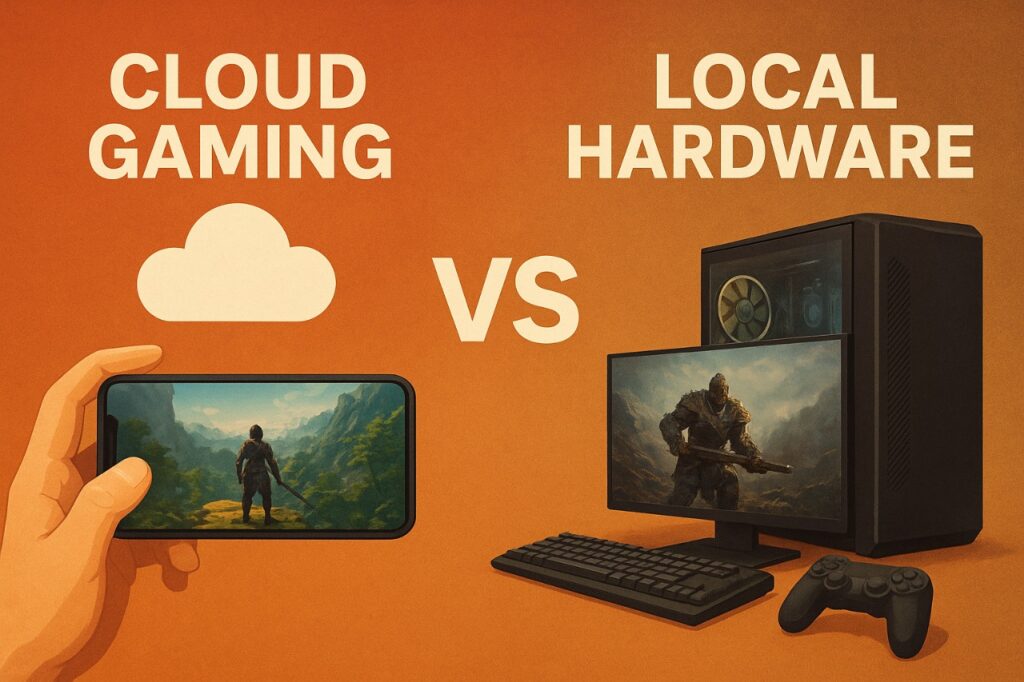
Cloud Gaming vs Local Hardware: Which Direction Is Gaming Headed?
Cloud Gaming vs Local Hardware: Which Direction Is Gaming Headed? The future of gaming is rapidly evolving. As new technologies emerge, gamers
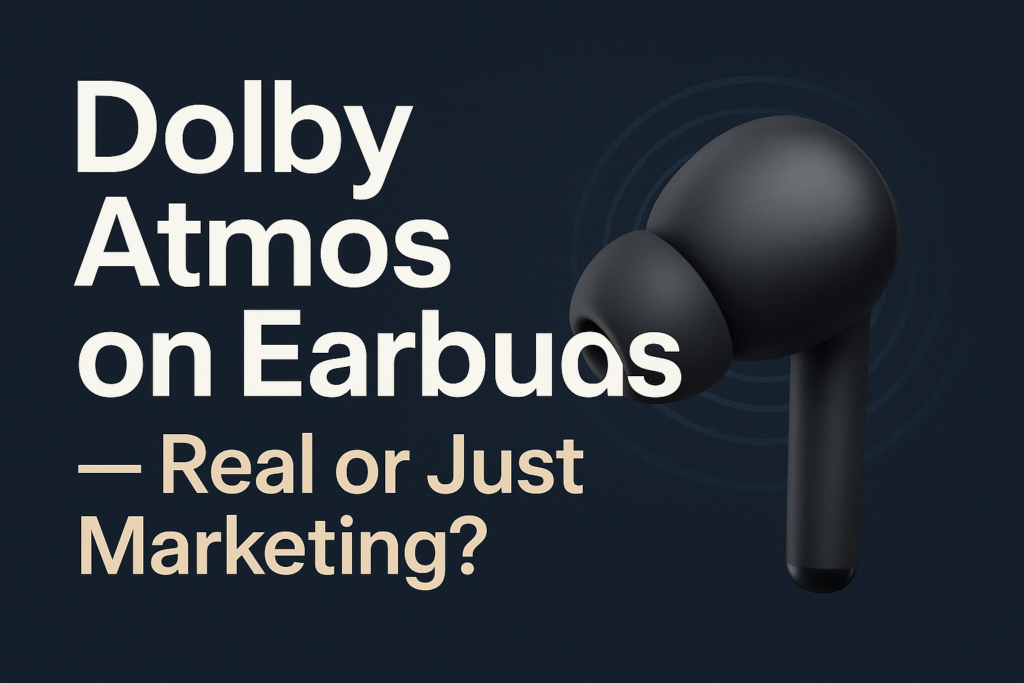
Dolby Atmos on Earbuds — Real or Just Marketing?
Dolby Atmos on Earbuds — Real or Just Marketing? The surge of Dolby Atmos earbuds in 2025 didn’t happen because earbuds suddenly