
Why Camera Megapixels Aren’t the Whole Story — Sensor Size Explained
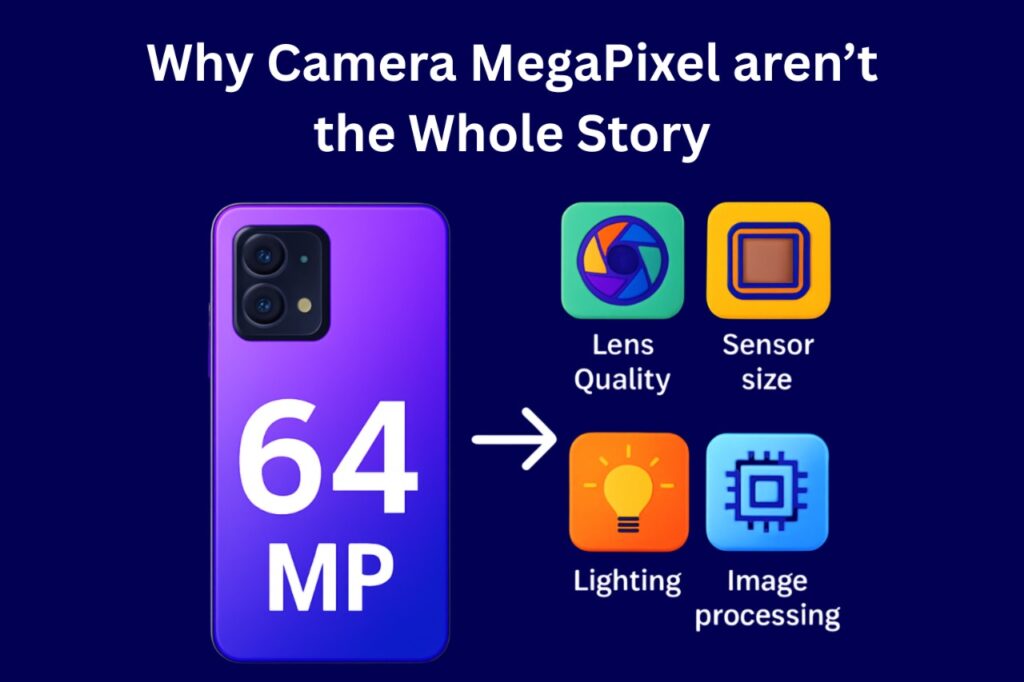
More megapixels don’t always mean better photos — and the secret lies in the sensor.”
The megapixel race is as old as smartphone photography itself. Every launch flaunts bigger numbers: 108MP, 200MP, 1-inch sensors.
But here’s the truth most brands don’t tell you — megapixels are only one piece of the puzzle.
At Vibetric, we broke down expert reviews, imaging tests, and Reddit discussions to decode what really affects photo quality — and why sensor size often matters more than megapixel count.
🧠 The Myth of Megapixels
When brands market a “200MP camera,” it sounds like you’re getting professional-grade clarity.
But here’s the catch: megapixels only determine resolution — not image quality.
A 200MP sensor can pack more pixels, but if each pixel is too tiny, it captures less light, leading to:
- More noise in low light
- Weaker dynamic range
- Artificial detail that looks good only on screen
In short, more pixels ≠ more detail — especially when the sensor behind them is small.
🔍 What Really Matters — The Sensor Size
Sensor size decides how much light enters the camera.
Think of it like a window: a bigger one lets in more sunlight, making everything inside look better and brighter.
| Sensor Type | Typical Use | Approx. Size | Real-World Impact |
|---|---|---|---|
| 1/2.76" | Budget phones | Very small | Decent in daylight, struggles in low light |
| 1/1.56" | Midrange phones | Medium | Good balance of detail and brightness |
| 1-inch | Flagship/Pro models | Large | Excellent dynamic range, low-light strength |
| APS-C / Full Frame | DSLR & Mirrorless | Huge | Studio-level detail and depth |
Vibetric Note: Even a 12MP camera on a larger 1-inch sensor can outperform a 108MP camera with a tiny sensor.
🎨 Image Processing — The Hidden Hero
Modern cameras rely heavily on computational photography.
Your phone doesn’t just “take” a photo — it builds one using AI, HDR layers, and pixel-binning algorithms.
Here’s what happens behind the scenes:
- Multiple frames are captured instantly.
- AI merges the best details from each frame.
- Color tones, shadows, and highlights are balanced automatically.
That’s why a 12MP iPhone photo often looks sharper than a 108MP Android shot — processing > pixel count.
💬 Community Feedback — Reddit & Real Users
| Source | What Users Said | Sentiment |
|---|---|---|
| Photography | “Megapixels are marketing — sensor size and lens matter more.” | Positive |
| Android | “My 50MP Sony IMX sensor outperforms 200MP in low light.” | Balanced |
| Apple | “iPhone’s 48MP shots look natural because Apple nails color science.” | Positive |
| MobilePhotography | “Good lighting and sensor quality beat megapixels every time.” | Insightful |
| SmartphoneTech | “AI processing has more influence on detail than resolution alone.” | Analytical |
Community Consensus: Real users agree — megapixels sell phones, but sensor size and processing power decide how your photos truly look.
🧩 What Most Reviews Don’t Tell You
- Pixel Size Matters — Larger pixels absorb more light, which improves night photos and overall sharpness.
- Lens Quality Counts — A great sensor with a weak lens still produces blurry results.
- Software Defines Output — The same sensor can look vastly different across brands because of image tuning.
- Dynamic Range is Key — It’s not about detail alone; it’s about how well shadows and highlights are balanced.
- Stabilization Helps More Than Resolution — OIS (Optical Image Stabilization) can save more shots than extra pixels ever could.
⚙ Vibetric Pro Tips — Capture Smarter, Not Sharper
- Shoot in natural light whenever possible — lighting > lens.
- Enable HDR — it enhances contrast without losing details.
- Use Pro mode occasionally — you’ll learn how ISO, shutter speed, and aperture affect real image depth.
- Avoid digital zoom — it only crops pixels; use optical or move closer.
- Clean your lens regularly — fingerprints kill detail more than megapixel limits.
Vibetric Tip: Don’t chase megapixel hype — focus on the sensor, lens, and software tuning for consistent, cinematic results.
💡 Real-World Example — Why 12MP Still Wins
- iPhone 14 Pro (48MP) → uses pixel-binning to create sharper 12MP images.
- Pixel 8 → 50MP sensor, but software downscales for more natural texture.
- Sony Xperia Pro → 12MP sensor, yet among the best for creators due to superior optics and tuning.
The takeaway? You can have fewer pixels and still capture truer, deeper, and more cinematic images.
🧭 Vibetric Verdict — What Actually Matters
If you care about real image quality, focus on:
- Sensor size (1-inch or larger if possible)
- Pixel size (bigger = better low light)
- Optics (good glass > megapixel math)
- Software optimization (AI + HDR magic)
Vibetric Advice: Don’t fall for spec sheets — invest in a camera system that gets the fundamentals right.
A 12MP flagship can outshoot a 200MP midrange phone any day of the week.
🔗Stay in the Loop
We help you buy smarter, not louder.
- Follow us on Instagram: @vibetric_official
- Bookmark vibetric.com for weekly laptop reviews, side-by-side comparisons, and Reddit insights.
- Share this blog with anyone still judging cameras by megapixels.
No fluff. No bias. Just honest, human-tested tech insights — the Vibetric way.
Got thoughts on this topic?
We’d love to hear from you! Drop your comments, questions, or personal experiences below — let’s make Vibetric a space for real conversations, not just clicks.

Best Cloud Gaming Services in India — 2025 Picks
